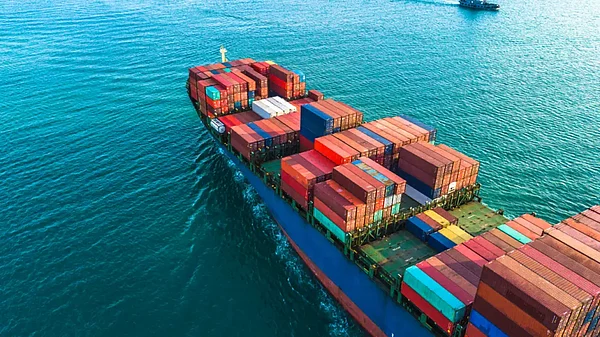
Markets rattled, investors jittered, the rupee slumped to an all-time closing low of 92.21 against the dollar, and crude oil skyrocketed. These were some of the immediate impacts that unfolded last week after Iran’s near-complete closure of the Strait of Hormuz in response to the combined military attack by the US and Israel. Beyond markets and investor sentiment, the escalation of geopolitical tensions unveiled a greater paradox in global power politics—simply put, Realpolitik.
But who got strangled in the quagmire was India. The region’s Big Brother and an aspiring global power suddenly found itself squeezed into a war it did not even start.
Weeks before the escalation, the White House announced an interim trade agreement and claimed that New Delhi had agreed to stop its imports of Russian crude oil. India stayed silent—strategically—neither confirming nor denying the claim. Officials reiterated that India’s energy policy remains a matter of national interest and strategic autonomy.
1 September 2026
Get the latest issue of Outlook Business

Yet, amid a surge in crude prices that saw Brent breached $119 per barrel, Washington granted India a 30-day temporary waiver (March 5–April 4) allowing it to purchase Russian crude already stranded at sea. Autonomy, much?
What makes the episode even more revealing is the math behind the barrels. Russian Urals crude, which had been selling at a $13 discount to Brent until last week, is now trading at a $1–$5 premium. In the months leading up to the conflict, India had already begun reducing its reliance on Moscow’s crude—bringing it below 20% of imports—while gradually pivoting back to its traditional suppliers in West Asia.
Then the missiles hit.
The near-closure of Hormuz disrupted flows from the very region India was pivoting toward, while the once-discounted Russian crude suddenly became expensive. The result: neither the West Asian barrels nor the discounted Urals remained easily available.
For months, India had faced mounting pressure from Western capitals to curb its Russian oil purchases, including imposition of punitive tariffs of up to 25%. Western governments frequently argued that India’s rise as a major buyer of Russian crude was helping finance Moscow’s war in Ukraine.
Yet geopolitics has a peculiar way of turning the tables.
Just this week, US President Donald Trump held a telephonic conversation with Russian President Vladimir Putin, while the White House signalled it was preparing to ease sanctions on Russia to ensure Moscow’s oil continues flowing into global markets. The logic is simple: preventing crude prices from spiralling toward $150 per barrel, a level that could trigger a global recession.
India tried to play it safe. In the name of strategic autonomy, New Delhi chose to float between competing power blocs. Only to discover that in the deep waters of Realpolitik, a floating strategy often ends with being anchored by someone else’s crisis.