Tata Motors Passenger Vehicles Ltd will keep its focus on launching aspirational products for current consumers as it sets sights on a 10-fold volume growth between FY20 and FY30 and command a 20% market share, the company's chairman N Chandrasekaran said on Wednesday.
Addressing shareholders at the company's 81st Annual General Meeting here virtually, Chandrasekaran said Tata Motors Passenger Vehicles (TMPV) is also significantly investing in digital technologies, especially AI, across the value chain as part of its growth process.
"Looking ahead in the next five years, the company has a big ambition. Basically, in the decade between FY20 and FY30, the company wants to achieve a 10x growth in volumes with an ambition of 1.2 million-plus vehicles and achieve a market share of 20% from the current 14.2%," he said.

1 October 2026
Get the latest issue of Outlook Business

Stating that in all, the company is on a growth trajectory, Chandrasekaran said TMPV will continue to focus on launching products that are aspirational for today's consumer.
Chandra said the company has entered FY27 with confidence, a strong pipeline of new products and powertrains, both in Tata Motors' passenger vehicles as well as in Jaguar Land Rover, he said, adding that JLR has a series of launches coming up in the second half of this year.
And the production came to a pause for almost a couple of months. This resulted in the company having a 21% revenue decline over the previous year and delivered close to 23 billion British Pounds. The company also saw the leadership change, a transition from Adrian to Balaji.
Advertisement
The company is also significantly investing in digital technologies, especially AI, across the value chain, he said, adding that the collaboration between Tata Motors' Passenger Vehicles and JLR is getting stronger, leveraging complementary capabilities in manufacturing, technology and people.
The successful commencement of operations of the TML PV and JLR facility at Tamil Nadu also represents a very significant milestone, Chandrasekaran said.
TMPV and its subsidiary Jaguar Land Rover Automotive in February this year commenced operations at their new facility at Panapakkam in Tamil Nadu's Ranipet districts.
The facility represents the first phase of a greenfield plant that will manufacture next-generation vehicles, including electric vehicles both TMPV and JLR brands.
Advertisement
Chandrasekaran said the demerger of passenger vehicles and commercial vehicles business and creating them into two separate listed entities, is a "very decisive step" and just not a structural milestone in the company's journey to build a differentiated, future-ready, world-class personal mobility enterprise with not only a strong presence in India but a global footprint through Tata Motors as well as the JLR.
"Our ambition is to build a trusted, aspirational, globally competitive mobility brand that connects meaningfully with all customers of tomorrow," he said.
He said FY26 started as a good solid year with expectations of steady global growth, moderating inflation and easing of financial conditions.
However, the supply chain issues and geopolitical tensions in West Asia towards the end of the fiscal year heightened concerns around inflationary pressures and slowing growth, Chandrasekaran said, adding, "also, we had a cyber incident in JLR that led to temporary production pause for almost a couple of months".



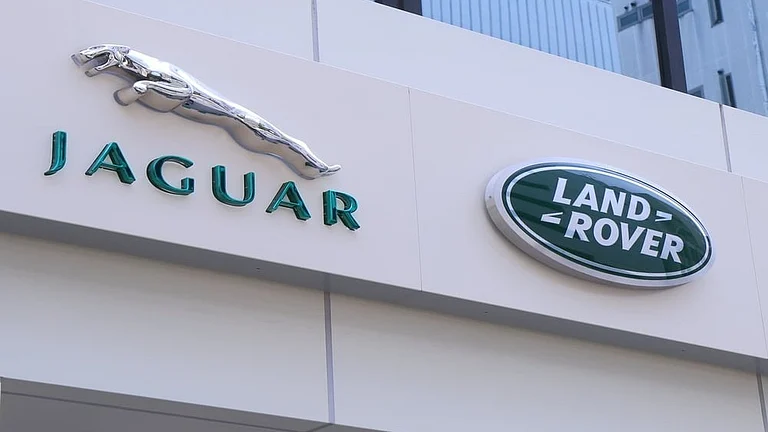
This resulted in the company having a degrowth in terms of revenue terms of 21% over the previous year and delivered close to 23 billion British Pounds, he said.
Noting that in all these dynamic environments, resilience and execution becomes extremely critical, he said the company delivered a very strong performance in India.
He said the company has been on a transformation journey, especially since Covid, delivering a strong turnaround in terms of EBITDA and free cash flow.
"What used to be a cash burn of ₹4,000 crore has become a₹2,000 crore positive cash flow and EBITDA has had a swing of more than ₹5,000 crore. Equally significant have been the product launches that enabled the company's market share to go from 4.2% to 14.2% this year," Chandrasekaran said.
The company had an early conviction that electric vehicles will be the way forward and created a strong foundation for growth and it remains firmly committed to the EV transition, he said.
The overall performance reflected the temporary disruption in JLR while the return to normal production sustained demand momentum in the India PV business provides strong confidence going forward, Chandrasekaran said