Doubled maize crushing to 1,650 TPD; added 180 MT/day glucose and 50 MT/day maltodextrin units.
Power capacity up 7.1 MW to 15.8 MW; 475 jobs added, total ~950 workforce.
Plans modified starch expansion (Dextrose, Hydrol) in FY27; benefits from Bihar BIIPP and maize hub proximity.
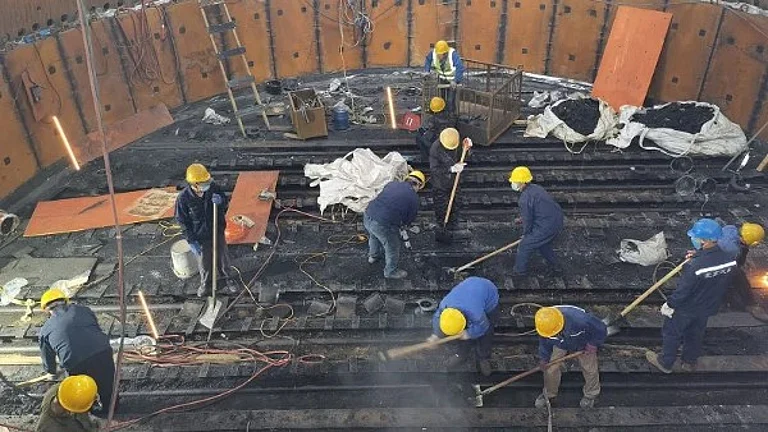
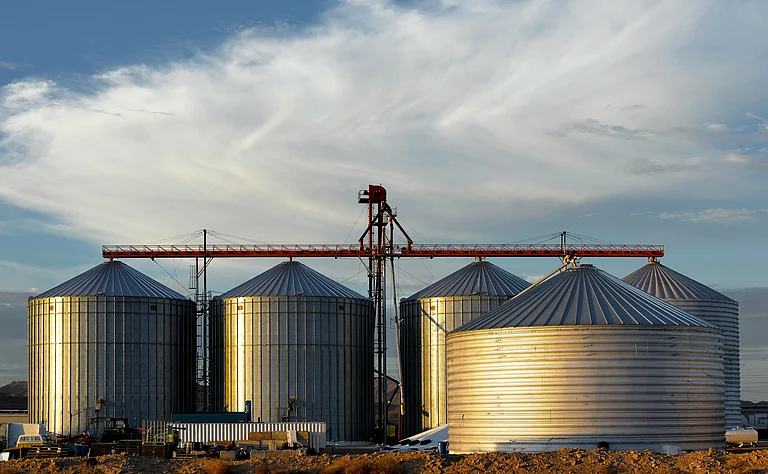
Agro-processing company Regaal Resources on Tuesday said it has doubled its maize crushing capacity and has commissioned new derivative manufacturing facilities at its integrated processing complex at Kishanganj, Bihar, with an investment of ₹389 crore.
The Kolkata-headquartered company said it has increased its crushing capacity at its wet milling facility to 1,650 tonnes per day (TPD) from 825 TPD, and commissioned a new liquid glucose manufacturing unit with a capacity of 180 metric tonnes (MT) per day and a maltodextrin powder facility capable of producing 50 MT per day.
The company also expanded its captive cogeneration power plant capacity from 7.1 megawatts to 15.8 megawatts.

1 September 2026
Get the latest issue of Outlook Business

Regaal said the expansion was expected to create around 475 additional direct jobs, bringing its total on-roll workforce to approximately 950 employees, alongside indirect employment across logistics, warehousing, transportation and procurement.
"At 1,650 tonnes per day, Regaal will now operate the largest maize wet milling facility in Eastern India," Chairman and Managing Director Anil Kishorepuria told reporters.
Liquid glucose is used in confectionery, biscuits, ice creams, jams and liquors, while maltodextrin powder finds applications in food and beverages, pharmaceuticals, dairy and nutraceuticals.
The company plans to further expand into modified starch derivatives, including Dextrose Anhydrous, Dextrose Monohydrate and Hydrol during fiscal year 2027, with associated capital expenditure already underway.
Advertisement
Regaal said the Kishanganj facility benefits from proximity to Bihar's key maize trading hubs at Gulabbagh and Dalkhola mandi, supporting raw material sourcing and supply chain efficiency.
The company said support from the Bihar government's Industrial Investment Promotion Policy (BIIPP) was a contributing factor to the expansion.