Most buyers treat EVs as secondary vehicles, Maruti says
This is limiting broader adoption
Maruti has prioritised exports of eVitara citing gaps in local EV ecosystem
The carmaker working for wider charging access, EV-ready workshops, buyback schemes
Electric vehicle adoption in India remains constrained as buyers hesitate to choose such vehicles as their primary car, largely due to concerns related to public charging infrastructure, unreliable driving range and uncertainty over resale value, Maruti Suzuki India Senior Executive Officer (Marketing & Sales) Partho Banerjee has said.
The company, which plans to launch its first EV, the eVitara, in the domestic market next year, Banerjee said, is trying to instill confidence among the customers by strengthening the EV ecosystem.
1 September 2026
Get the latest issue of Outlook Business

“If you see the customers who are buying the EVs, nearly 90% of them will be using it as a secondary vehicle. It's not the primary car…If a customer has confidence in the product, but not the ecosystem, he will not buy the car,” he said, adding that EV penetration in India would grow only when consumers start buying EVs as their primary vehicle.
Maruti Suzuki, which is the country’s largest carmaker, decided to start sales of the eVitara with exports since in India “the ecosystem is not there”. The company has exported about 10,000 vehicles so far, and will be launching it in Japan next month. While the launch date for India has not been announced, it is expected to be launched in 2026.
Advertisement
“We believe that the customer is not confident. The initial products that were launched, and the experiences from those, has created a huge amount of negativity in the minds of people regarding range,” Banerjee told reporters.
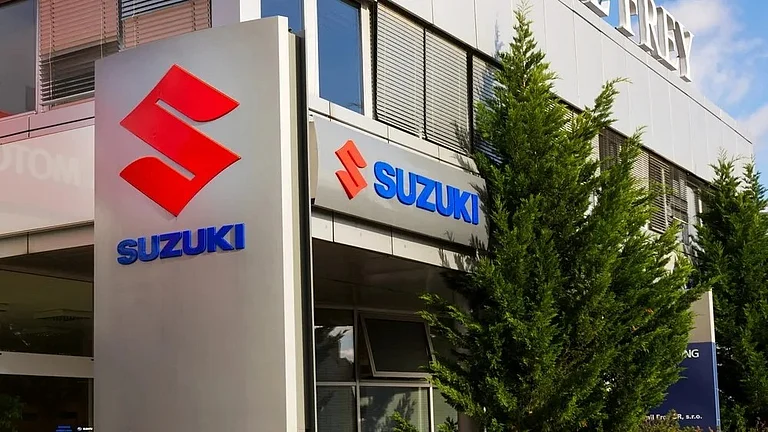
The automaker will have 1,500 EV-enabled workshops across 1,100 cities pan-India. It has already set up 2,000 charging points. "For the resale value we are going to have an assured buyback scheme and subscription scheme as well," he said.
By FY30, Maruti Suzuki plans to have five EV models in its overall product portfolio, including the eVitara. Banerjee said that by then, the industry is expected to be around 5.5–6 million units, and EV penetration is likely to be around 13–15 per cent. “But this was before GST 2.0. So, we now have to reassess the market since there are reports that post GST 2.0, the penetration of EVs is going down. The ideal time to do it will be next FY,” he said.
Advertisement
The automaker also plans to localise battery production and other critical components over the next few years. “Right now we are importing the batteries, but yes, we have a plan for localisation. It is very much on the cards in a phased manner over the next few years,” Banerjee.