




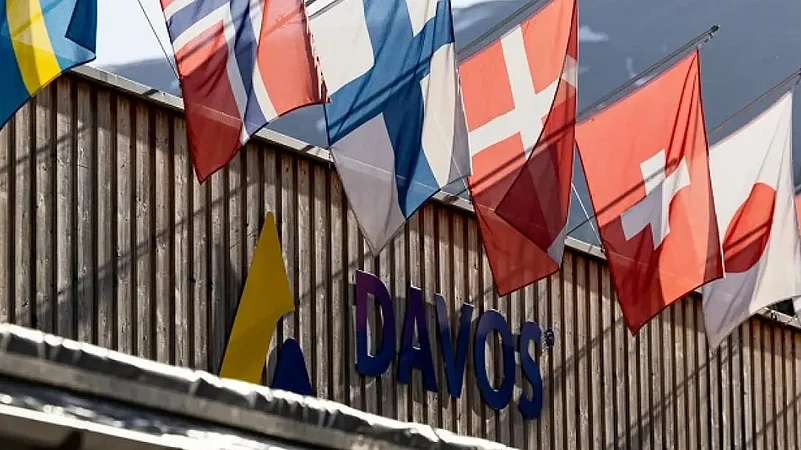

The World Economic Forum 2026 started January 19 in Davos, where leaders discussed global economic and trade challenges
The event runs until January 23, featuring speeches, panels, and meetings where leaders discuss growth, innovation and global priorities
US President Donald Trump is expected to speak on Wednesday, focusing on housing affordability and attracting global attention
The World Economic Forum (WEF) 2026 began on January 19 in Davos, Switzerland. Leaders from governments, businesses and civil society gathered to discuss major global concerns, such as slower economic growth, trade disputes and rising tensions between countries.
The forum does not pass laws or set policies, but the conversations held there often guide global decision-making and move markets worldwide.
The event will run until January 23 and includes speeches, panel discussions and closed-door meetings. It brings together senior leaders to exchange views on growth, innovation and security, while offering early signals about global priorities for the year ahead.

1 September 2026
Get the latest issue of Outlook Business

US President Donald Trump will likely speak at the forum on Wednesday. Reports say he will focus on housing affordability, an issue affecting many countries. His direct style is expected to draw strong attention to his session.
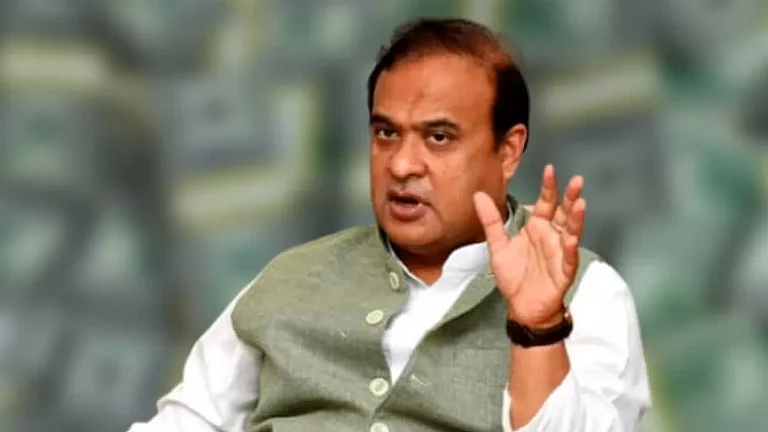
Focus on Dialogue
This year’s theme, ''A Spirit of Dialogue'', highlights the need for cooperation and open conversation. Organisers want leaders to focus on practical solutions and rebuilding trust rather than political disagreements.
Advertisement
Leaders will spend time discussing trade matters, including tariffs imposed by the United States. They will also talk about security concerns, such as the conflict in Ukraine and rising tensions in the Middle East, and consider how these issues could shape stability around the world.
Technology and new ideas will continue to shape the discussions at Davos. Leaders are focusing on how artificial intelligence (AI) can support daily work, open up new possibilities and help companies keep pace with change. Several sessions are also looking at where money could flow into fast-growing economies.
Leaders are also placing strong attention on sharing growth more evenly. They want economic progress to reach smaller towns and local communities, not just big companies.
Advertisement
Many discussions are centred on how countries can handle sudden problems, such as supply delays, rising debt or future health crises.
Over the course of the week, participants will exchange practical suggestions for staying prepared. As Davos 2026 concludes, the talks are expected to highlight the issues that governments, businesses and investors are most likely to focus on in the months ahead.









