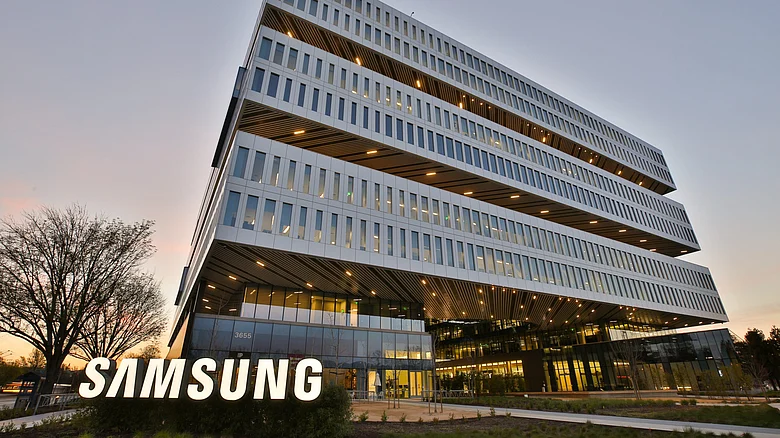

Samsung Electronics estimated its second-quarter operating profit at 89.4 trillion won, marking a 19-fold increase from the previous year
Despite the record earnings, investors wiped more than $100bn off Samsung's market value over sustainability concerns regarding the AI boom
The surge in profit was driven by massive demand for memory chips, pushing DRAM and NAND average selling prices up by 44% and 53%, respectively
Samsung Electronics projected a 19-fold surge in its second-quarter operating profit, eclipsing its total cumulative earnings from the previous three years. Despite the stellar performance, shareholders erased over $100bn from the company's market capitalisation amid growing anxieties regarding the longevity of the artificial intelligence hardware cycle, reported Reuters.
The South Korean manufacturer projected its April-to-June operating profit at 89.4 trillion won ($58.44bn) in a regulatory filing, outperforming the 87.3 trillion won forecast by analysts polled by LSEG. This marks a massive surge from the 4.7 trillion won profit recorded during the same period last year. Additionally, quarterly revenue is projected to climb 129% year-on-year to reach 171 trillion won, the company reported.
Rapid construction of artificial intelligence data facilities has triggered an immense appetite for storage hardware. This surge pushed component pricing to unprecedented levels, driving a swift financial recovery for the world's largest memory chipmaker.

1 October 2026
Get the latest issue of Outlook Business

Market Reaction and Expectations
The tech giant saw its stock plunge by up to 10.1%. Competitor SK Hynix recorded a 10.6% drop, which pulled the broader KOSPI index down by 10.9%. Market observers linked the sell-off to inflated investor expectations and fears of a bottleneck in data centre construction.
Component prices escalated throughout the quarter as artificial intelligence investments expanded from high-bandwidth memory (HBM) into standard DRAM and NAND hardware. Second-quarter average selling prices for DRAM and NAND jumped 44% and 53%, respectively, compared to the previous quarter, Citi Research reported as quoted by the newswire.
Advertisement
Bonus Provisions and Segment Performance
The earnings surge came despite substantial provisions for employee bonuses. The tech giant allocated these funds following a May labour agreement that tied semiconductor worker compensation directly to corporate operating profits.
"Samsung posted better-than-expected earnings despite bonus-related provisions, as memory prices rose sharply," Lee Min-hee, an analyst at BNK Investment & Securities, said. Without those provisions, its operating profit would likely have exceeded 100 trillion won, analysts said.
While Samsung's memory business is expected to post another quarter of strong earnings, analysts said losses at its foundry and logic chip (LSI) businesses are likely to widen because bonus expenses are allocated across the semiconductor division.
Advertisement
Samsung plans to announce detailed results on July 30, including a breakdown of earnings of each of its business divisions.
Future Outlook and Risks
Looking ahead, analysts said the biggest risk to the memory boom would be a slowdown in AI infrastructure investment. Investors have also raised concerns that the big technology companies will need to borrow heavily to fund AI infrastructure with uncertain returns, which could also dampen chip demand.
While memory has historically been characterised by boom-and-bust cycles, some analysts argue the current sustained growth is becoming more structural as AI demand outpaces the industry's ability to expand production. Building new memory fabrication plants takes years, limiting supply growth even as hyperscale companies continue to ramp up AI investment.
Samsung last week outlined a 2,100 trillion won domestic investment plan running through 2040. However, the manufacturer stated that actual outlays would remain flexible to match shifting market dynamics and commercial requirements.