

OPEC+ agreed to increase production targets by 188,000 barrels per day from August, extending its phased rollback of voluntary output cuts.
Gulf oil exports and OPEC production have rebounded after disruptions caused by the Iran conflict, while Russian crude exports remain elevated.
Oil prices remain under pressure as investors monitor Chinese demand, Strait of Hormuz shipping, and the group's next production decision due on August 2.
Oil prices edged lower on Monday after OPEC+ agreed to raise its production target by 188,000 barrels per day (bpd) from August, adding to global supply even as the market continues to recover from disruptions caused by the West Asia conflict.
By 0010 GMT, Brent crude futures fell 24 cents, or 0.33%, to $71.88 a barrel, while U.S. West Texas Intermediate (WTI) crude slipped 11 cents, or 0.16%, to $68.58 a barrel, according to Reuters. Brent had settled 0.45% higher on Friday, while WTI did not settle due to the U.S. Independence Day holiday.

1 October 2026
Get the latest issue of Outlook Business

OPEC+ Extends Output Hikes
The August increase follows similar quota hikes announced for June and July. Together with increases implemented since April, the seven core OPEC+ producers have restored nearly 800,000 bpd of previously curtailed production.
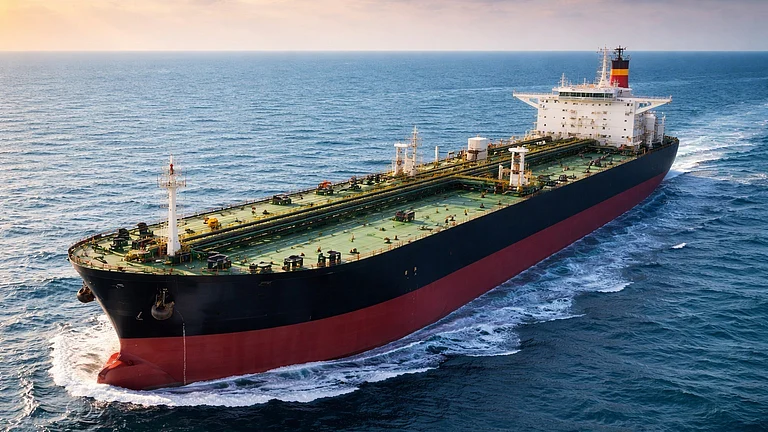
However, much of the increase has remained largely theoretical because the U.S.-Israel conflict with Iran disrupted exports through the Strait of Hormuz, limiting production from key Gulf producers such as Saudi Arabia, Kuwait and Iraq.
Advertisement
"The number was largely in line with expectations. With the UAE leaving and quotas still not being fully met as production ramps up after the conflict, they do not mean much at the moment," IG market analyst Tony Sycamore told Reuters.
Supply Recovery Gains Pace
OPEC's oil output rose by 3.3 million bpd in June from the previous month to 19.43 million bpd, according to a Reuters survey, rebounding from its lowest level in more than two decades. Gulf oil exports also climbed by more than 3 million bpd in June to exceed 10 million bpd, although they remain about 40% below pre-conflict levels.
Advertisement
Russian crude exports from western ports also reached record highs in June and are expected to remain elevated in July. Industry sources attributed the rise to Ukrainian drone attacks on Russian refineries, which have prompted Moscow to export more crude instead of refined fuels.
Market Eyes Demand and September Decision
Despite lingering supply disruptions, crude prices have retreated from recent highs of over $120 per barrel to around $72, pressured by weaker Chinese imports, rising supplies from non-Middle East producers and a coordinated release of strategic oil reserves by the International Energy Agency.
UBS analyst Giovanni Staunovo said markets had largely anticipated the latest production increase. He noted that investors will now focus on tanker movement through the Strait of Hormuz and signs of a recovery in Chinese demand.
Following the UAE's exit from OPEC in May, the remaining seven core producers still have around 379,000 bpd of previously agreed production cuts left to restore. If the group approves another increase of a similar size at its next meeting on August 2, the rollback of the 2023 production cuts will be complete.