
US and Iranian officials have returned to the negotiating table in Oman to discuss Tehran’s nuclear programme and uranium enrichment.
The talks come amid heightened tensions, with Trump warning of “very tough” action and the US boosting its military presence in the region.
Rising West Asia tensions are fuelling global geopolitical risks, with implications for energy markets, trade routes, and regional stability.
The US and Iran are back at the negotiating table to discuss Tehran’s nuclear ambitions and uranium enrichment. Washington is demanding a complete end to Iran’s nuclear proliferation and is seeking the transfer of 440 kg of near-weapons-grade uranium to the US. To put this into context, 440 kg of near-weapons-grade uranium is estimated to be sufficient to produce up to 10 nuclear bombs.
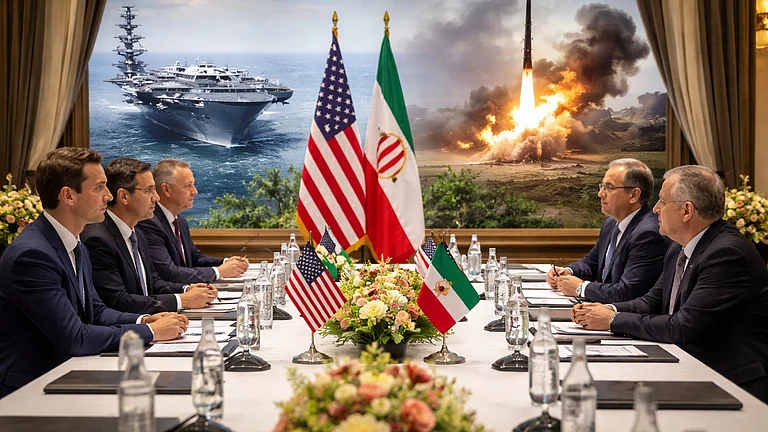
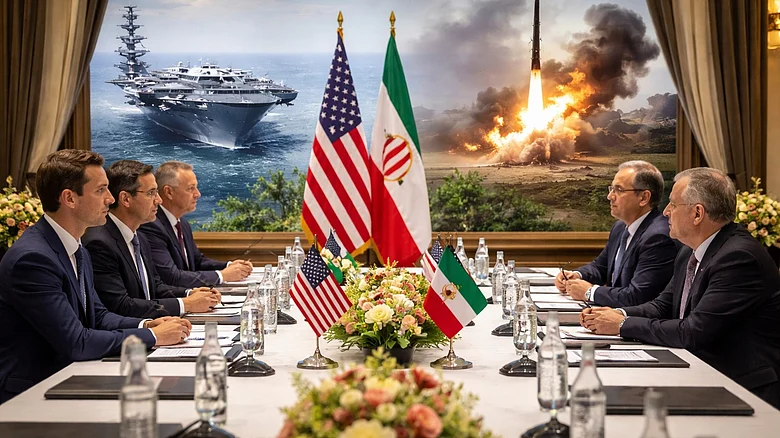
The Iran–US nuclear talks are taking place in Oman, with Iranian Foreign Minister Abbas Araghchi representing Tehran, while US President Donald Trump’s son-in-law Jared Kushner and special envoy Steve Witkoff are representing Washington.

1 October 2026
Get the latest issue of Outlook Business

Iran–US relations deteriorated after Trump ordered targeted airstrikes on three of Iran’s most critical nuclear facilities in 2025. Tensions have continued to escalate as Trump has repeatedly threatened possible military action if Tehran fails to meet US demands.
On Tuesday, Trump signalled aggressive action if the ongoing talks fail to yield results. “Either we reach a deal, or we’ll have to do something very tough,” Al Jazeera quoted an Israeli media outlet citing Trump.
Advertisement
Iran’s security chief Ali Larijani is scheduled to meet the Sultan of Oman, Haitham bin Tariq Al Said, to discuss the outcome of the talks between Tehran and Washington.
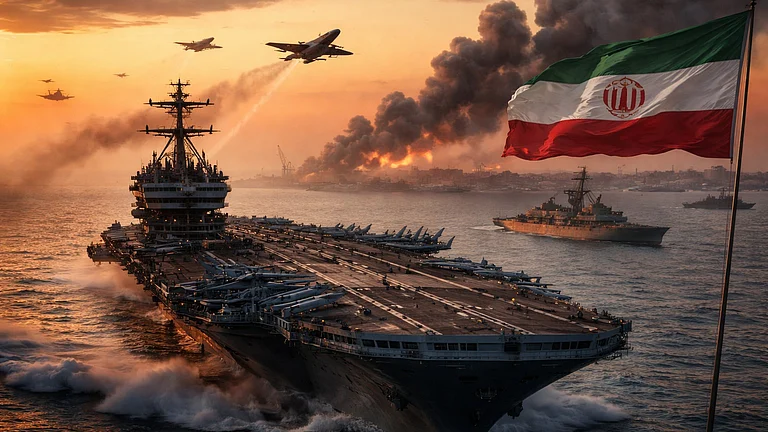
Since January, Trump has stepped up pressure on Iran, stating that the US military is “locked and loaded and ready to go.” In recent weeks, Washington has increased the deployment of US military forces in West Asia and nearby waters, including the aircraft carrier USS Abraham Lincoln, Al Jazeera reported. The military buildup has heightened geopolitical tensions, fuelling fears of a potential US-led military strike.
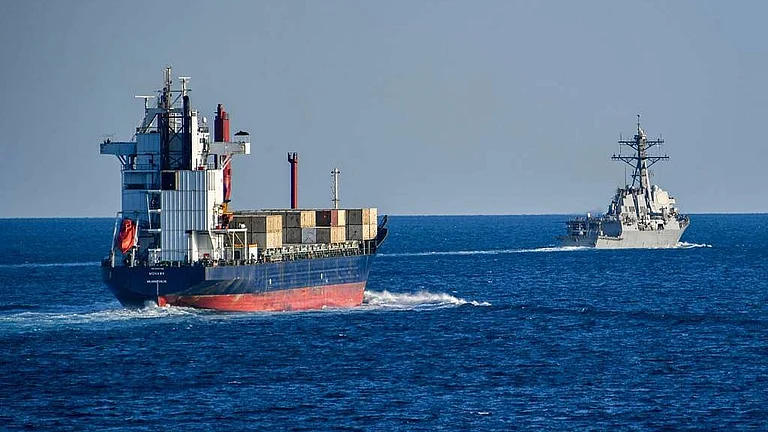
On Monday, the US issued guidelines to US-flagged commercial vessels, warning them to stay “as far as possible” from Iranian territorial waters, the report added.
Advertisement

The escalating tensions in West Asia are also having ripple effects in other regions, including India, by raising concerns over supply chain disruptions and crude oil prices. Beyond trade, West Asia is home to around 9–10 million Indians who send significant remittances, which help fund India’s current account.
Regional power politics are also at play, with Israel — a key US ally — seeking the fall of the Ayatollah Ali Khamenei-led government. Reports suggest that Tel Aviv may align closely with Washington, with Israeli Prime Minister Benjamin Netanyahu scheduled to meet Trump later today.
“On this trip we will discuss a range of issues: Gaza, the region, but of course first and foremost the negotiations with Iran. I will present to the President our views regarding the principles for the negotiations,” AFP reported, citing Netanyahu.
According to reports citing an official statement from the Israeli Prime Minister’s Office, Netanyahu’s visit will also push for “limiting ballistic missiles” and ending Iran’s support for regional groups including Hamas and Hezbollah.