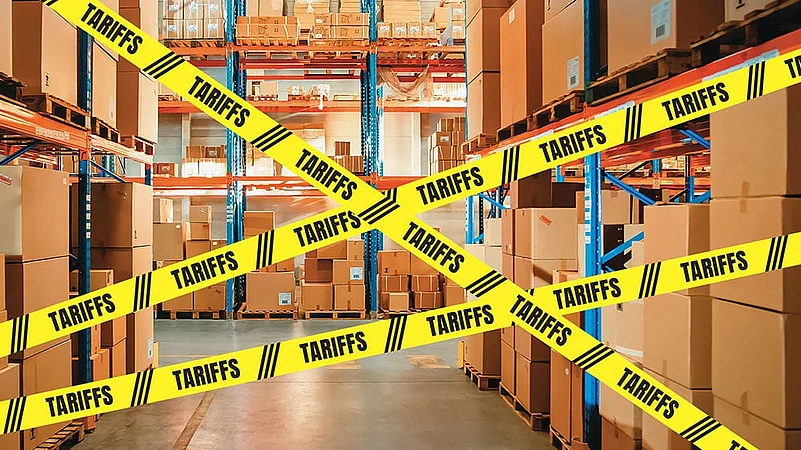

Mexico will impose tariffs of up to 50% from January 2026 on imports from countries without FTAs, including India.
India’s auto exports are most exposed, with passenger vehicles—worth $1.9 billion in 2024—likely to face significant disruption.
Long-term impact will depend on diplomacy and diversification, as India may explore new export markets.
On December 10, Mexico’s Senate approved raising tariffs on a broad list of imported products from countries with which it does not have free trade agreements, including India and several other Asian economies. The new tariff structure, which will be effective from January 1, 2026, will raise duties to a maximum of 50% on certain goods, while tariffs on most goods will be capped at 35%. Mexico is a critical destination for India’s automobile industry.
How Important Is Mexico For India’s Exports?
Mexico is India’s largest trading partner in Latin America and the USMCA is a crucial route for India’s shipments to North America. According to data from the Confederation of Indian Industry (CII), trade between the two countries rose to more than $8.4 billion in 2023–24, from $7.9 billion in 2019–20.
Why Is Mexico Raising Tariffs?
According to the Mexican government, the rationale behind the sweeping tariff increase is to protect its industries and economic interests. President Claudia Sheinbaum’s administration argues that higher tariffs are necessary to protect domestic manufacturing and jobs from “excessive import competition,” particularly in sectors such as autos, textiles, steel, plastics, footwear, and other consumer and intermediate goods.
Advertisement
As per reports, officials also claim the raised tariffs are a means to correct trade distortions and reduce import dependence. Analysts project the new tariffs could generate nearly $3.7 billion in additional funds for the Mexican government in 2026. This will help with fiscal shortfalls and budget constraints.

1 September 2026
Get the latest issue of Outlook Business

Geopolitical Interests
According to media reports, analysts view the development through a geopolitical lens, noting US pressure on Latin American countries to limit deepening ties with China. Some also see the move as a stance partly designed to appease the US ahead of the United States–Mexico–Canada Agreement (USMCA) review, and to mitigate rising trade and tariff threats from Washington.
Advertisement
Indian Exporters Are Not Equally Vulnerable
According to a report by Moneycontrol, India exported $5.6 billion worth of goods to Mexico last year, of which 10% falls into categories where India already holds over 50% of Mexico’s import share. The aluminium sector is less susceptible to the tariffs; India shipped $189 million worth of aluminium products in 2024, accounting for 53% of Mexico’s total aluminium imports. In the tractor segment, India’s market share is 64%, leaving limited room for Mexico to diversify quickly even if higher tariffs take effect.
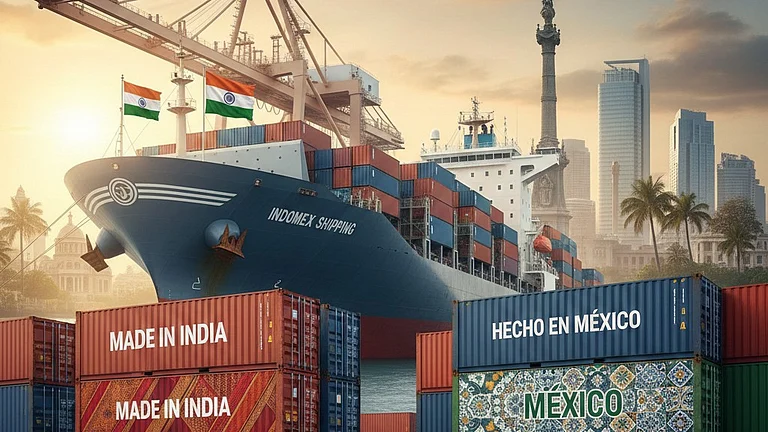
However, the auto sector—especially passenger vehicles—may be impacted the most. Passenger cars alone account for one-third of India’s total shipments to Mexico. An increase in tariffs will disrupt the segment and likely weaken India’s export performance in the upcoming quarters. In 2024, India shipped $1.9 billion worth of passenger vehicles, making Mexico India’s largest car export market. For some passenger vehicle models, the tariff increase will leave the segment highly exposed to policy shocks.
The Society of Indian Automobile Manufacturers, an industry group, reportedly urged the Indian government in November to press Mexico to “maintain status quo” on tariffs for vehicles shipped from India. “The proposed tariff hike is expected to have a direct impact on Indian automobile exports to Mexico... we seek the Government of India’s support to kindly engage with the Mexican government,” the industry body said in its letter to the commerce ministry before the tariff was finalised.
Other critical segments that are highly vulnerable to the increased tariffs include safety airbags and flat-rolled stainless steel.
India May Diversify Its Export Market
The tariff hikes may prompt Indian exporters to diversify their export markets, as the imposition of sweeping tariffs may disrupt global supply chains. According to a report by The Economic Times, there could also be risks to India’s services exports—including IT and software, pharmaceuticals, and sectors that are not directly subject to these tariffs.
For India, the immediate impact will be felt particularly in high-exposure segments such as automobiles and intermediate goods. Long-term effects will depend on bilateral negotiations and diplomatic engagement with Mexico.