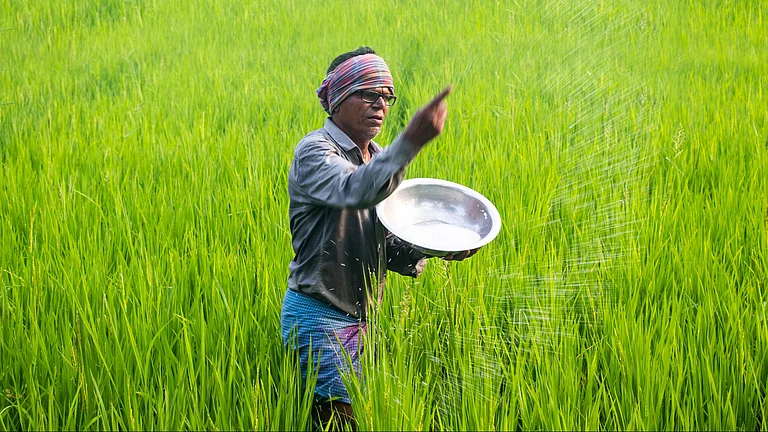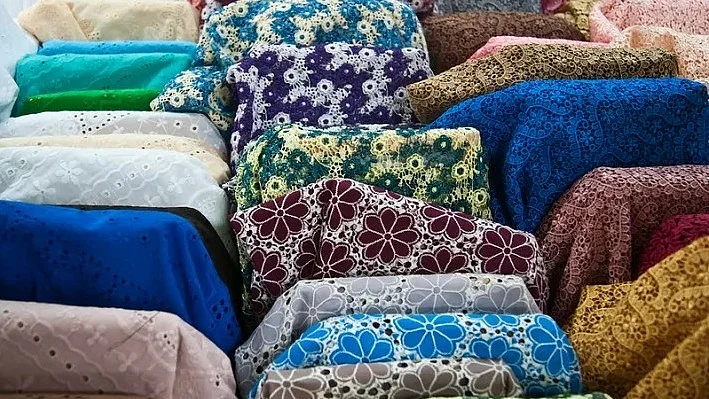

India’s interim trade deal with the US will offer a zero reciprocal duty window for garments made using American cotton, says Goyal.
Minister rejects opposition claims that Bangladesh secured better textile benefits from Washington.
Sensitive sectors like agriculture and dairy remain largely protected in the broader bilateral talks.
Union Commerce and Industry Minister Piyush Goyal on Friday said Indian textile and apparel exporters are expected to receive a zero reciprocal duty window for garments made using cotton sourced from the US. The proposal is part of the interim trade agreement (ITA) recently announced by New Delhi and Washington. The formalisation of the ITA is expected by mid-March, while negotiations for a broader bilateral trade agreement (BTA) are ongoing.
With the US closing a reciprocal trade deal with Bangladesh, Indian textile exporters had grown jittery. However, India’s competitive disadvantage is only marginal, with New Delhi’s exports facing 18% tariffs compared with 19% for Dhaka. Goyal said textile and apparel exporters are likely to receive Bangladesh-style benefits under the deal.

1 September 2026
Get the latest issue of Outlook Business

The clarification from the ministry comes amid strong political scrutiny from opposition parties over the India-US ITA. Leader of Opposition Rahul Gandhi claimed that Dhaka secured a better deal with Washington, a charge Goyal strongly pushed back against.
“He spread another lie in Parliament that Bangladesh has got more benefits from the trade deal than India,” Goyal said. “Just as Bangladesh has a facility where, if raw material is purchased from America, processed into cloth and exported, it is available at zero reciprocal tariff — India will also get the same facility. Right now, our framework agreement is being prepared. When the interim agreement is finalised, you will see this in the fine print.”
Advertisement
Though reciprocal tariffs have been reduced to 18%, garments made using US cotton will attract zero duty under the new window. However, the Most Favoured Nation (MFN) tariff will continue to apply. The effective duty on garments made with American cotton is expected to fall to 3%.
Goyal also reiterated that sensitive sectors such as agriculture and dairy are safeguarded in the broader deal, with 90–95% of the segment excluded to protect farmers’ interests. According to reports, India has excluded a wide range of sensitive agricultural and food items from tariff concessions. However, Indian markets have opened up to certain agricultural products — including almonds, walnuts, pistachios, apples, cranberries and soybean oil — through tariff-rate quotas.