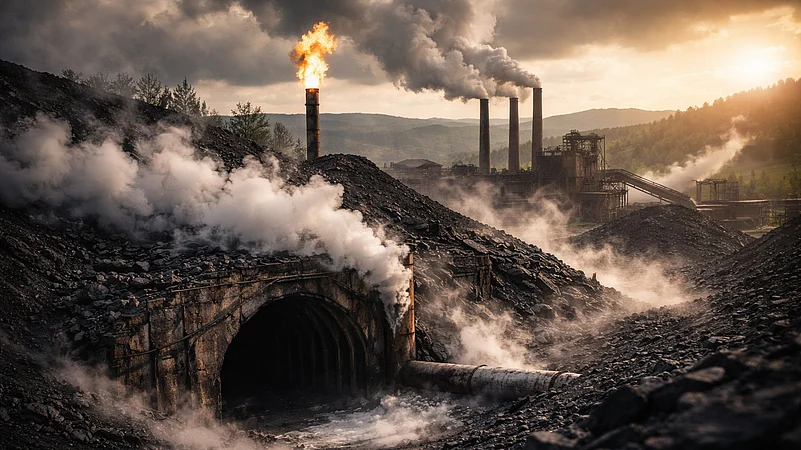

Methane accounts for nearly one-third of global warming, and cutting emissions is one of the fastest ways to slow temperature rise this decade.
India’s coal sector emits around 2.8 million tonnes of methane annually, yet methane mitigation is missing from new mine closure guidelines.
Technologies to capture or flare coal mine methane are readily available and inexpensive, offering climate, health, and economic benefits.
Methane is one of the most dangerous climate pollutants, responsible for about a third of the global warming we are experiencing today. Scientists agree that cutting methane is the fastest way to slow temperature rise this decade. To stay on track with global climate goals, methane emissions must fall by at least 30 percent by 2030. More than 150 countries have joined the Global Methane Pledge to do just that.
India has not. The government argues that joining could unfairly burden smallholder farmers, since much of India’s methane comes from livestock and rice farming. These farmers often lack the money and technology needed to cut emissions, and that concern is understandable. In any case, the goal of cutting 30 percent methane emissions by 2030 is a collective goal. It does not imply that India has to manage these emission cuts alone nor that it has do it from one sector.

1 September 2026
Get the latest issue of Outlook Business

Therefore, this argument does not hold. Especially when it comes to coal. India’s coal sector releases about 2.8 million tonnes of methane into the atmosphere every year—around 2 percent of the country’s total greenhouse gas emissions. That is roughly equal to the annual emissions from 15 gigawatts of coal-fired power plants. Unlike agricultural methane, coal mine methane is avoidable, and most of it can be reduced by using readily available, low-cost technologies.
Advertisement
The problem is not feasibility, but rather a lack of ambition. Key stakeholders, including coal companies, government authorities, civil society, and academia are not coming together to reduce emissions from the coal sector. The result? Coal mine methane has become India’s climate blind spot.
Indian coal mining companies have identified around 150 mines for closure by 2030. Most of these are underground mines. Meanwhile, in March of 2025, the federal Ministry of Coal issued new mine closure guidelines for ensuring that mine closure is done in a responsible way. For the first time, the new federal mandate includes ideas like a “just transformation” and productive use of land after mining ends. This is a welcome step. Yet, even these guidelines have a glaring omission: methane mitigation goals.
Advertisement

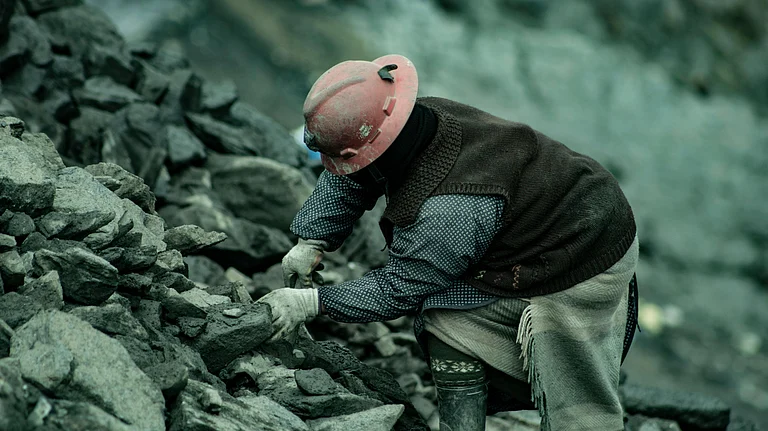
Typically, when a coal mine closes, methane does not stop leaking. It can escape for years—sometimes even decades—after mining ends. If methane control is not built into mine closure plans now, India will lock in avoidable emissions long after the coal has been dug up, burned, and forgotten.
The International Energy Agency estimates that 50 to 75 percent of methane emissions from fossil fuel operations can be avoided at very low cost. Technologies to capture, flare, and use coal mine methane already exist and there have been enough pilot projects executed within India to show that methane abatement is feasible. What is missing is a clear intention or requirement to act.

Beyond climate change mitigation, coal mine methane mitigation delivers other major benefits. Capturing methane reduces ground-level ozone, improving air quality, and lowering rates of respiratory illnesses in nearby communities. At the same time, captured methane can be turned into usable energy, creating local jobs, and new economic activity in mining regions. Together, these co-benefits make coal mine methane control a smart public health, safety, and economic strategy.
For all these reasons, cutting methane from closing coal mines isn’t just a necessary global climate objective, it is also in India’s own interest. Leadership of state-owned companies like Coal India aspire to become a more modern and responsible energy enterprise. In today’s world, credible mine closure practices—ones that cut emissions, support workers, and repurpose land—are not optional. They are essential for legitimacy.
India often says climate solutions must fit its development realities, and reducing coal mine methane does exactly this. It is practical, affordable, and achievable. The window for action is narrow. Mine closure plans are being finalized now and will shape emissions for decades. If coal mine methane is ignored today, it will haunt India’s climate record tomorrow.

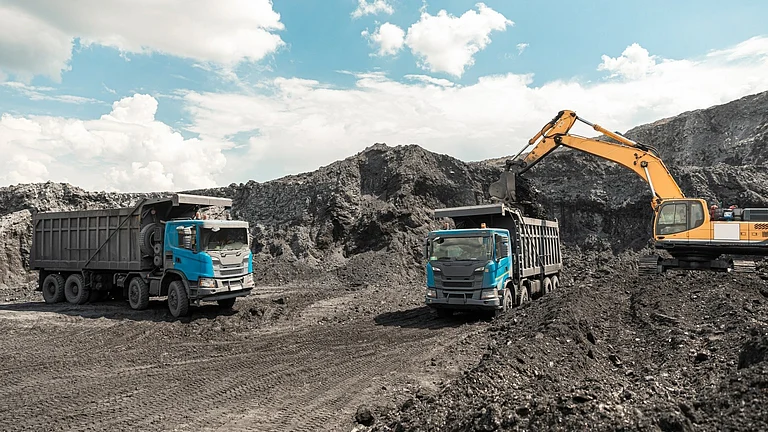
The time to act is now. Integrating methane abatement into standard practices for mine closure could deliver one of the largest coal-related methane reductions, and could be done without new international pledges, new taxes, or limits on energy supply.
Climate leadership is not only about big promises and global speeches. It is about fixing the obvious problems everyone has learned to ignore—and it is time for India to stop ignoring coal mine methane.
Disclaimer: This is an authored article. The opinions expressed are personal and do not necessarily reflect the views of Outlook Business or its editorial team.
(Sandeep Pai is Senior Lead for International Energy Transitions at Nicholas Institute for Energy, Environment and Sustainability at Duke University; Felicia Ruiz is the Director of Coal Mine Methane and Strategic Partnerships at the Clean Air Task Force.)