West Asia conflict threatens India’s $98.7bn import supply chain.
Strait of Hormuz risks disrupt oil, LNG and LPG shipments.
Fertilisers, plastics and cement inputs face shortages from Gulf disruptions.
By the end of February, a series of missile and drone strikes rippled across energy and logistics facilities in West Asia. Oil terminals in Saudi Arabia, LNG facilities in Qatar, storage hubs in the UAE and port infrastructure in Oman suddenly found themselves under threat.
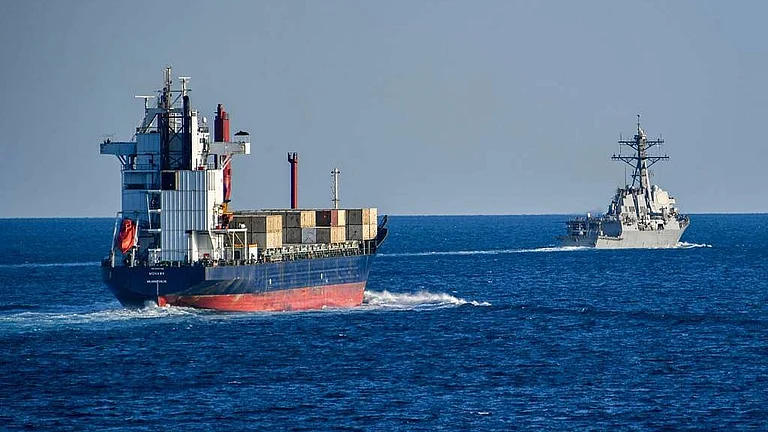
For the global economy, the attacks raised fears about the safety of shipments moving through the Strait of Hormuz — one of the world’s most vital energy corridors.

1 September 2026
Get the latest issue of Outlook Business

For India, the anxiety is not limited either since India’s economic engine depends heavily on the Gulf.
An analysis by the Global Trade Research Initiative (GTRI) warns that escalating tensions in West Asia could expose a wide range of vulnerabilities across India’s economy — from fuel supplies and fertilisers to diamonds, plastics and even cement.
In 2025 alone, India imported goods worth $98.7bn from West Asia, making the region one of its most critical suppliers of energy and industrial inputs.
The dependence is not limited to crude oil. "If disruptions to shipping through the Strait of Hormuz continue beyond a week, the effects could quickly spread from energy markets to fertiliser supplies, manufacturing inputs, construction materials and export industries such as diamonds," said Ajay Srivastava, founder of GTRI.
Advertisement
If tensions continue to rise, the ripple effects could be felt across the Indian economy.
Oil Concerns
The most immediate concern remains oil. In 2025, India imported about $70bn worth of petroleum crude and products from West Asia and crude oil alone accounted for nearly half of India’s total crude imports. India’s crude reserves cover just nearly a month of consumption, meaning prolonged supply disruptions could quickly translate into higher fuel prices.
Gas and Cooking Fuel Under Pressure
West Asia accounts for over 68% of India’s liquefied natural gas (LNG) imports, which are used by fertiliser plants, gas-based power stations and city gas distribution networks supplying CNG and piped cooking gas.
Advertisement
Disruption has already started showing results. Qatar’s Petronet LNG has stopped LNG supplies to GAIL from March 4, 2026 owing to restrictions on vessel movement. It offers an early glimpse of how quickly supply chains can tighten during a regional crisis.
Cooking fuel could also be greatly vulnerable to conflicts. Nearly 47% of India’s LPG imports come from West Asia. With domestic stocks covering only about two weeks of consumption, any prolonged disruption could affect cooking gas availability for millions of households.
Furthermore, India imported $1.9bn worth of refined fuels from West Asia, representing 19.7% of imports, and $1.3bn worth of petroleum coke, accounting for 37.3% of imports. Petroleum coke is widely used as fuel in cement plants, aluminium smelters and power generation. Supply shortages would raise production costs in these sectors and could slow construction and infrastructure projects.
From Farms to Factories
The economic exposure extends far beyond energy. India imported $3.7 billion worth of fertilisers from West Asia in 2025 which includes nitrogen and mixed NPK fertilisers essential for crop yields. Supply disruptions during the crop season could reduce fertiliser availability, increase government subsidy costs and push up food prices, the report said.
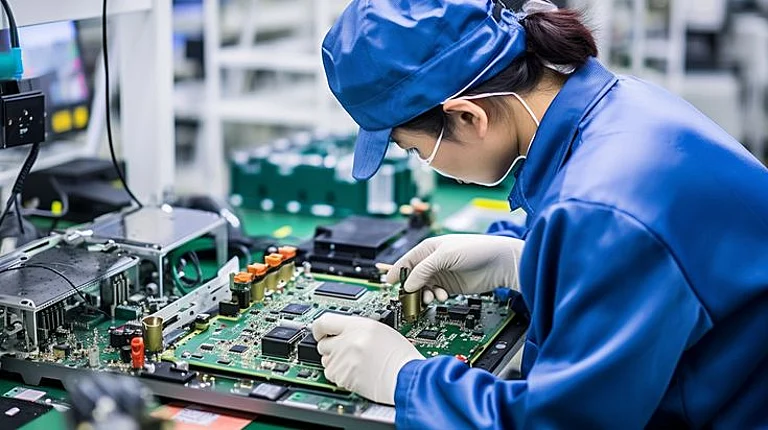
On the other hand, the country's manufacturing sectors also rely heavily on Gulf supply chains. More than one-third of India’s polyethene imports — a key plastic feedstock used in packaging, pipes and consumer goods — come from the region. Shortages have the potential to disrupt packaging industries and raise costs for consumer goods manufacturers.
Even the construction sector is exposed. India sources a large share of its limestone, sulphur and gypsum imports from West Asia, all of which are essential for cement production and fertiliser manufacturing. A supply squeeze could raise cement prices and slow infrastructure projects.
Diamonds in the Supply Chain
One of the less obvious risks lies in India’s gems and jewellery exports. About 40% of India’s rough diamond imports originate in West Asia, feeding the cutting and polishing industry centred in Surat. Any disruption in shipments could slow production and threaten employment in a sector that supports millions of workers.