
India and the UAE are exploring a connection between their sovereign digital currencies to enable instant wallet-to-wallet cross-border transfers.
The move could significantly benefit over 4 million Indians in the UAE, one of the largest sources of remittances to India.
Deputy Governor T. Rabi Sankar says central bank digital currencies protect monetary sovereignty and offer blockchain efficiency without the risks of private tokens.
India and the UAE may soon experience instant money transfers as the central banks of both countries are working to link their sovereign digital currencies, Mint reported, citing sources. As one of the top sources of remittances to India, the move will significantly benefit over 4 million Indians. The Reserve Bank of India has been developing the central bank digital currency (CBDC), which allows transactions of money directly from wallet to wallet without banks acting as intermediaries.
According to the report, both retail transactions as well as large-value transactions are expected to benefit from such a linkage.

1 September 2026
Get the latest issue of Outlook Business

As per RBI data, over 8 million Indians currently use the e-Rupee, with transactions totalling ₹28,000 crore and 120 million transactions recorded till December. According to the report, Emirati entities such as LuLu Group, DP World, and Emaar Properties operate significant businesses in India. Indian conglomerates such as Larsen & Toubro, Tata Group, and Reliance Industries also have large operations in the UAE.
RBI Deputy Governor T. Rabi Sankar has been calling for the development of CBDCs over stablecoins as a form of cryptocurrency. Sankar has also been vocal about how stablecoins do not serve a purpose that fiat money cannot serve better.
Advertisement
Unlike bitcoin or stablecoins, the RBI supports central bank digital currencies (CBDCs) mainly because they protect monetary sovereignty, meaning the central bank’s control over a country’s money.
Sankar argues that while stablecoins may be tied to the value of regular currencies, they are still privately issued digital money and do not carry the same guarantee as money issued by a central bank. Because of this, they could weaken the RBI’s ability to control the money supply and influence interest rates.
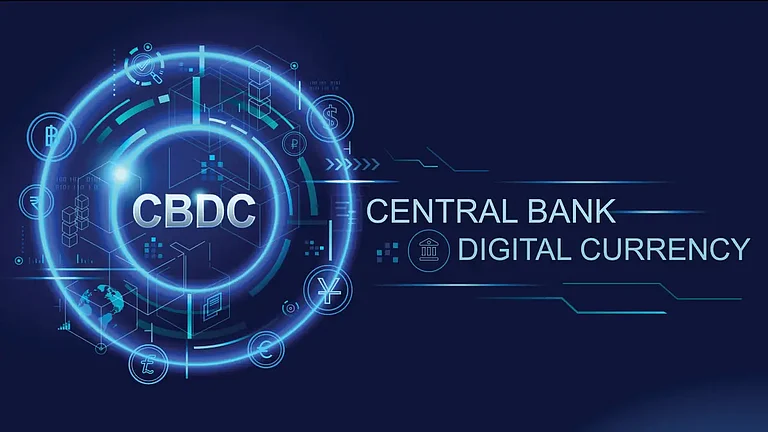
In contrast, India’s e-Rupee can offer the technological advantages of blockchain—such as programmable payments and instant settlement—while still being fully backed and regulated by the central bank. This makes it safer and more stable than privately issued digital tokens.
Advertisement
CBDCs can also make cross-border payments simpler and cheaper. For example, in the India–UAE payment link, using CBDCs can reduce the long chain of intermediary banks involved in traditional transfers. This lowers transaction costs and reduces settlement risks.
Sankar strongly suggests that governments should provide a state-backed digital currency that works as efficiently as crypto but remains as safe and trustworthy as physical cash.