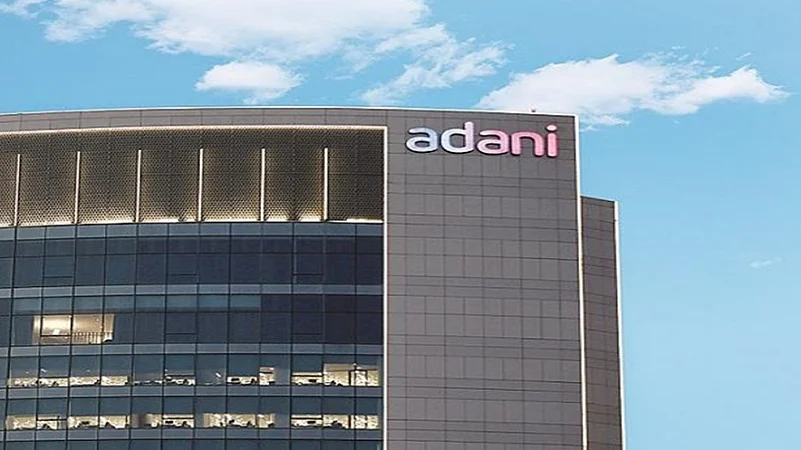

Supreme Court has ruled that Adani Power is not liable to pay customs duty on electricity supplied from its Mundra SEZ plant, overturning a 2019 Gujarat High Court order.
SC directed authorities to refund the duty paid by Adani Power for the period between September 2010 and February 2016 within eight weeks, without interest.
The ruling said customs duty on SEZ electricity lacked proper legal backing and could not be justified through procedural or technical grounds.
In a relief for Adani Power, the Supreme Court has ruled that the company does not have to pay customs duty on electricity supplied from its Mundra power plant in Gujarat’s Special Economic Zone (SEZ) to the domestic market.
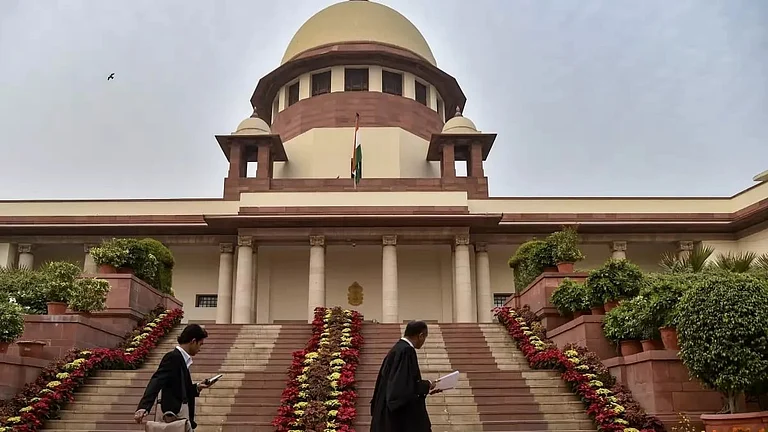
On Monday, a bench of Justices Aravind Kumar and N.V. Anjaria set aside a 2019 Gujarat High Court order that had allowed the customs department to levy this duty. The top court said the High Court should have followed its own earlier 2015 ruling, which had already given relief to Adani Power on the same issue.

1 September 2026
Get the latest issue of Outlook Business

The Supreme Court also directed the power ministry and customs authorities to refund the money Adani Power had deposited towards this duty for electricity supplied between September 16, 2010 and February 15, 2016. The refund must be made within eight weeks, but no interest will be paid on the amount.


Advertisement

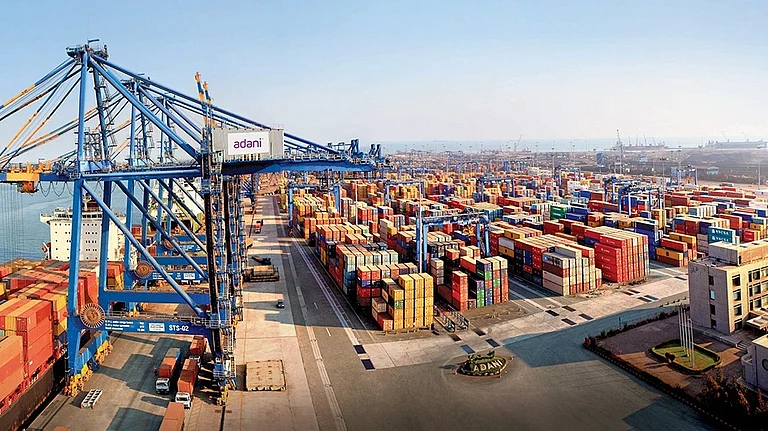
Adani Power’s Mundra plant has a capacity of 5,200 MW. While some of the electricity generated there is used within the SEZ itself, the rest is sold to buyers outside the zone. Under the law, power supplied from an SEZ to the domestic market is treated like an “import,” which is why customs duty became an issue.
Before 2009, electricity did not attract any customs duty. In 2010, the central government imposed a 16% customs duty on electricity sold from SEZs to the domestic market.
Advertisement
This was later changed in 2012 to a fixed charge of 10 paise per unit, applied retrospectively from September 2010, and later reduced to 3 paise per unit.

In 2015, both the Gujarat High Court and the Supreme Court had ruled that Adani Power was exempt from paying this duty for a limited period between June 2009 and September 2010. However, when Adani Power sought similar relief for later years, the Gujarat High Court rejected the request in 2019, saying the earlier exemption could not be extended automatically.
The Supreme Court has now overturned that view, holding that if there was no clear legal backing to levy the duty in the first place, the government could not justify it by pointing to procedural or technical limitations.