India's ethanol-blended fuel programme, a cornerstone of its energy security strategy, has saved the country more than ₹1.44lakh crore in foreign exchange and replaced about 245lakh metric tonnes of crude oil as of August 2025, according to the Economic Survey.
But the rapid expansion is creating unintended consequences, the Survey warned.
Government pricing policies that favour maize-based ethanol are driving farmers to shift away from pulses and oilseeds, raising concerns about long-term food security and nutrition.

1 September 2026
Get the latest issue of Outlook Business

The ethanol programme has expanded beyond traditional sugar-based feedstock to include food grains, particularly maize, as India works toward its E20 blending target — mixing 20% ethanol with petrol.
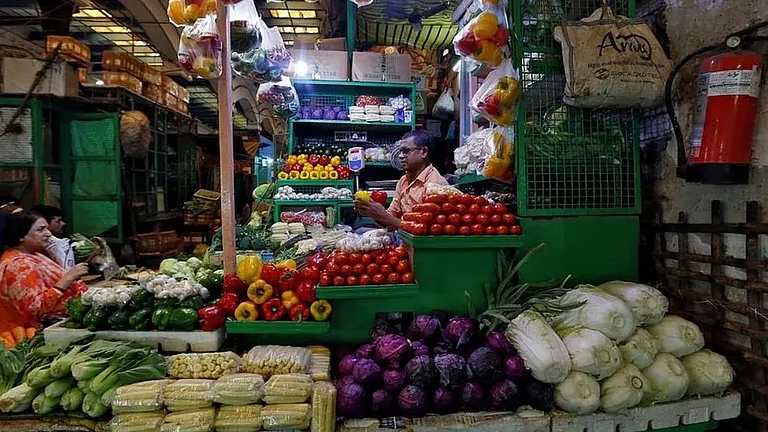




Maize yields have jumped 48% since FY16, reaching 3.78tonnes per hectare by FY25, while yields for soybeans, sunflower, rapeseed, peanuts and millet have stagnated or declined, the Survey said.
The government sets annual ethanol prices by feedstock type, with assured purchases by state oil companies. Between FY22 and FY25, maize-based ethanol prices rose at 11.7% annually — faster than rice or molasses-based ethanol.
The pricing signal worked. Maize production and cultivated area grew at 8.77% and 6.68% annually over the same period.
But pulses saw output and acreage decline, while oilseeds and other cereals posted modest growth of 1.7% and 2.9%, respectively.
Advertisement
In Maharashtra and Karnataka, maize now competes directly with pulses, oilseeds, soybean, millets and cotton for land and resources.
The hoped-for shift from water-intensive paddy rice to maize has not materialised, the Survey noted.
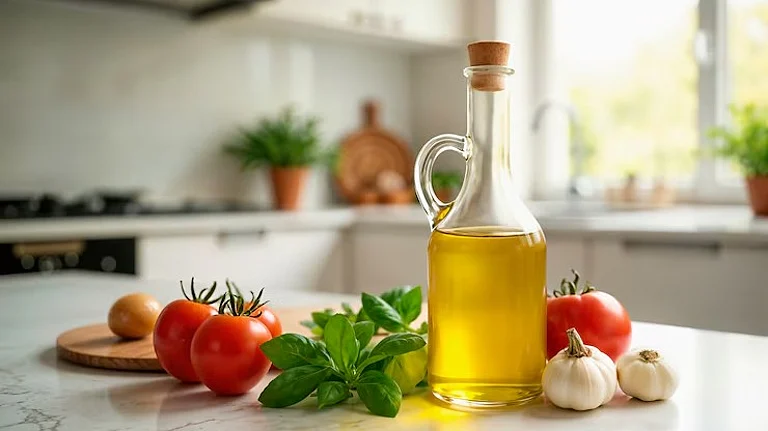
Pulses and oilseeds are critical to Indian diets and nutrition, but are sliding down farmers' priority lists. The shift risks deepening India's dependence on edible oil imports and exposing food prices to greater volatility, the Survey warned.
The tension highlights competing goals of “Aatmanirbharta” — self-reliance — in energy versus food.
The Survey cited international experience as a cautionary tale. OECD-FAO analyses show biofuel mandates and feedstock-specific pricing can permanently alter crop patterns and food prices when not regularly adjusted. Mature biofuel programmes have increasingly adopted caps, adjustment mechanisms or shifted to second-generation biofuels that don't compete with food crops.
Advertisement

“The Indian experience now displays similar early warning signals,” the Survey said.
As the programme matures, the Survey called for a comprehensive strategy balancing energy and food security — potentially including boosting pulse and oilseed yields, avoiding market distortions favouring specific feedstocks, and aligning ethanol feedstock growth with regional resources.
The goal is to preserve ethanol expansion's economic benefits without undermining food security or nutrition.