




Rising power demand and global volatility are inflating India’s energy subsidy burden.
LPG, fertiliser and electricity subsidies are straining fiscal space amid import dependence.
Clean energy investments offer long-term protection against price shocks and subsidy risks.
Global optimism around India’s growth narrative, reflected in discussions at the World Economic Forum, has underscored not just macroeconomic resilience but also a surge of investment in energy-intensive sectors such as data centres and AI infrastructure. At the same time, India’s power demand is projected to rise sharply over the next decade. While the country has made notable progress in its clean energy transition, aided by sustained budgetary allocations, this year’s geopolitical and macroeconomic context presents a clear challenge: balancing growth ambitions with fiscal discipline while staying the course on clean energy.
Inflationary pressures in global markets have driven up commodity prices and weakened the rupee, worsening the current account deficit and squeezing fiscal space. On 25 January 2026, the rupee fell to a historic low of ₹92 to the dollar amid foreign investment outflows, increased dollar demand from importers and uncertainty surrounding the pending India-US trade deal.

1 September 2026
Get the latest issue of Outlook Business

Rising commodity prices have compounded these pressures. Gold prices surged nearly 74% in 2025, while copper prices rose 50% and silver by more than 160%. These increases have added cost pressures across industrial production and clean energy supply chains alike.
As the government prepares to present Union Budget 2026, it is imperative that the clean energy transition be a core fiscal priority. It is the most credible long-term response to short-term geopolitical shocks, inflationary volatility and India’s mounting energy subsidy burden.
Advertisement
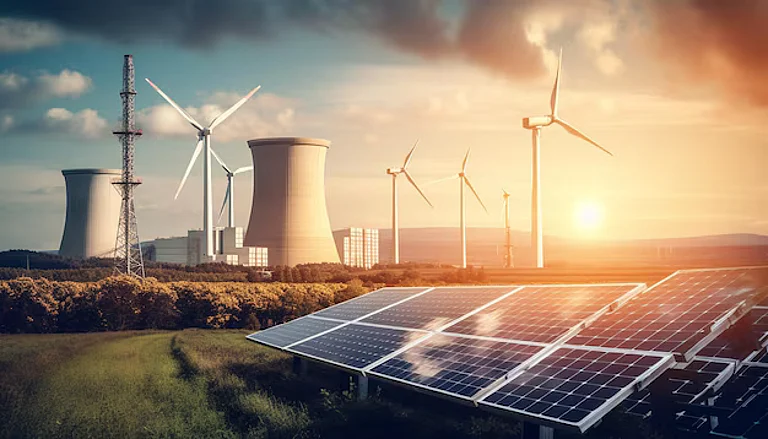
The Rising Cost of Energy Subsidies
Rising commodity prices, a weakening rupee and continued geopolitical tensions disproportionately affect energy-related imports. For an import-dependent country like India, this translates directly into higher subsidy outgo, particularly for liquefied petroleum gas (LPG), fertilisers and electricity—used to shield price-sensitive consumers from volatility.
India imports almost 60% of its LPG requirements and remains exposed to global price fluctuations. After falling sharply to about ₹3,400 crore in FY2021-22 due to low global prices, LPG subsidies increased more than four-fold to around ₹15,000 crore (~$1.64bn) by FY2024–25. This reflect a ₹200 (~$2.18) per-cylinder subsidy for all consumers and an additional ₹300 (~$3.27) for Pradhan Mantri Ujjwala Yojana beneficiaries. Separately, the government paid nearly ₹52,000 crore (~$5.67bn) to oil marketing companies on two occasions to compensate for under-recoveries arising from regulated LPG prices.
Advertisement
Fertiliser subsidies have followed a similar trajectory. India’s domestic urea production relies heavily on imported natural gas, which accounts for 86% of total gas use over the past three years. As a result, the urea subsidy alone has remained above ₹1trn (~$11bn) for five consecutive years. Including nutrient-based subsidies, total fertiliser support has exceeded $1.5trn (~$16.36bn) annually, imposing a persistent fiscal strain.
Electricity subsidies have also increased sharply. In FY2023–24, state governments allocated ₹2.1trn (~$23bn) to keep electricity affordable for agricultural and residential consumers, nearly double the ₹1.09trn (~$12bn) allocated in FY2018–19. Underpriced tariffs may support short-term affordability but they also lock in long-term fiscal exposure as energy prices grow more volatile.
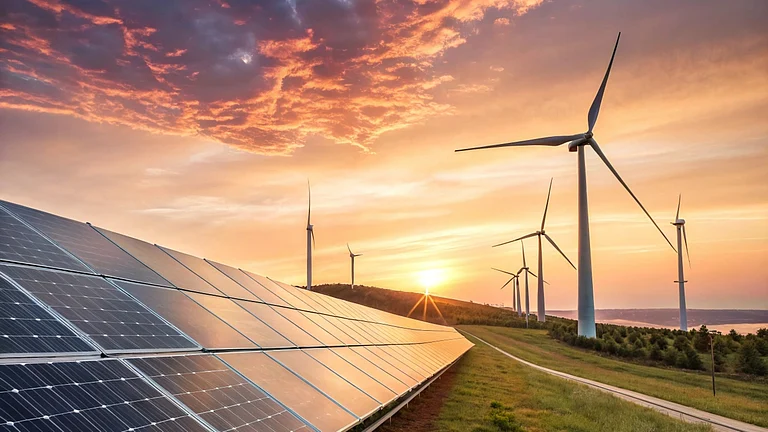
Clean Energy as Fiscal Risk Management
Continued reliance on energy subsidies is increasingly unsustainable. Redirecting even a portion of this spending towards clean energy deployment, energy storage and grid modernisation can reduce long-term subsidy dependency while strengthening energy security.
The government has already moved in this direction. The production-linked incentive scheme for high-efficiency solar modules, launched in 2021, has helped scale domestic manufacturing capacity to about 120GW for solar modules and 29 GW for cells as of June 2025. Sustained fiscal backing for such initiatives is essential to reduce import dependence and price vulnerability.
Given the rising air pollution burden and transport emissions, Budget 2026 should also prioritise the electrification of commercial transport, particularly heavy-duty vehicles, trucks and buses. Targeted fiscal incentives, viability gap funding and investments in charging and hydrogen infrastructure can accelerate adoption, delivering both climate and public health benefits.
The government must also use this budget to redirect energy subsidies into a coherent clean energy roadmap. This includes continued support for solar, wind and energy storage deployment; sustained incentives for electric vehicle adoption; and stronger fiscal backing for electric cooking. The PM Surya Ghar: Muft Bijli Yojana, in particular, should be expanded beyond basic household electricity to support electric cooking and mobility, amplifying its impact.

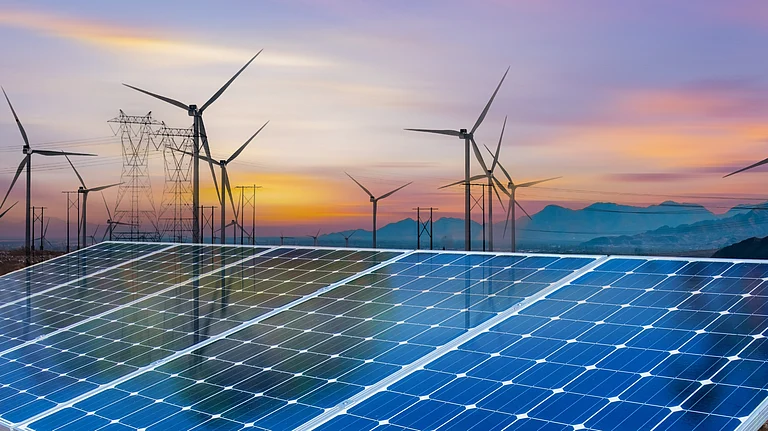


The Union Budget 2026 must clearly signal long-term commitment to energy storage and the National Critical Minerals Mission—both essential for scaling renewables and securing supply chains. Targeted support for emerging technologies such as green hydrogen, green ammonia and battery recycling should be treated as strategic investments, not discretionary spending.
Ultimately, India’s clean energy transition is beyond a climate imperative: it is a tool for fiscal resilience, economic competitiveness, insulating public finances from the growing volatility of global energy markets.
(Garg is Director, South Asia, Institute for Energy Economics and Financial Analysis (IEEFA), while Jain is Energy Specialist, Gas & International Advocacy, South Asia. The views expressed are personal.)









