India’s rupee drifted slightly lower against the US dollar despite support from falling oil prices
Progress in US-Iran talks helped push Brent crude down, easing pressure on oil-importing economies
Fed-related dollar strength kept Asian currencies, including the rupee, in check
The Indian rupee remained largely range-bound against the US dollar on Monday as easing crude oil prices offered support to the domestic currency, while concerns over a potentially hawkish stance from the US Federal Reserve restrained further gains.
The rupee was trading at 94.40 against the dollar during the session, slightly weaker than Friday’s close of 94.32, according to Reuters.

1 September 2026
Get the latest issue of Outlook Business

The local currency has hovered near its strongest level in more than a month in recent sessions, although demand from importers seeking to hedge their exposure prevented a stronger appreciation.


Oil Prices Ease After US-Iran Deal
Market sentiment improved after signs of progress emerged in negotiations between the United States and Iran.
The first round of talks between officials from both countries concluded in Switzerland, with mediating nations Qatar and Pakistan indicating that Washington and Tehran had agreed on a framework aimed at reaching a final agreement within 60 days.

Advertisement
The discussions followed a tense start, marked by Iran’s announcement that it had once again closed the Strait of Hormuz and renewed warnings from US President Donald Trump regarding possible military action.
As geopolitical tensions showed signs of easing, global oil markets reacted positively. Reuters reported that Brent crude futures declined around 1.5% to approximately $79.4 per barrel, significantly below the peak of $126.4 recorded during the height of the conflict in late April.
Fed Rate Concerns Continue
Despite lower energy prices benefiting major Asian oil-importing economies, including India, expectations of further monetary tightening in the US limited optimism in currency markets.
Advertisement
"Monetary officials will remain on guard in Asia: a bouncy US dollar means that there is little reprieve for now, with a tightening bias still needed for most," Frederic Neumann, chief Asia economist at HSBC, said in a note, as per Reuters.
The Reserve Bank of India kept interest rates unchanged earlier this month as policymakers assess whether elevated oil and food prices could trigger broader inflationary pressures across the economy.
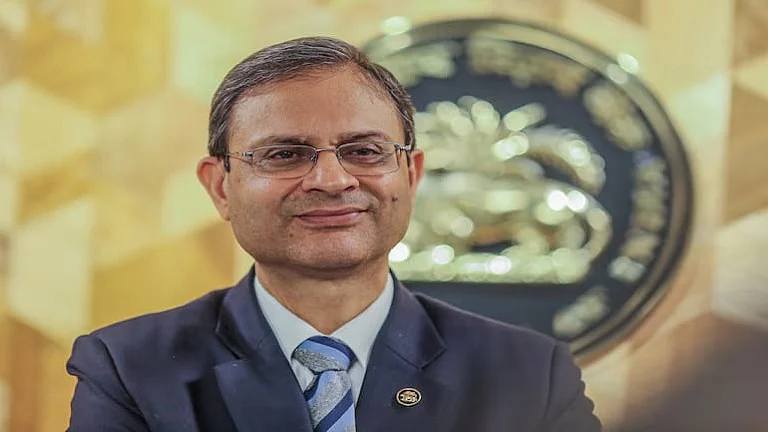
Meanwhile, analysts at HSBC expect the central bank to raise rates by a cumulative 50 basis points during the second half of the year, Reuters reported.