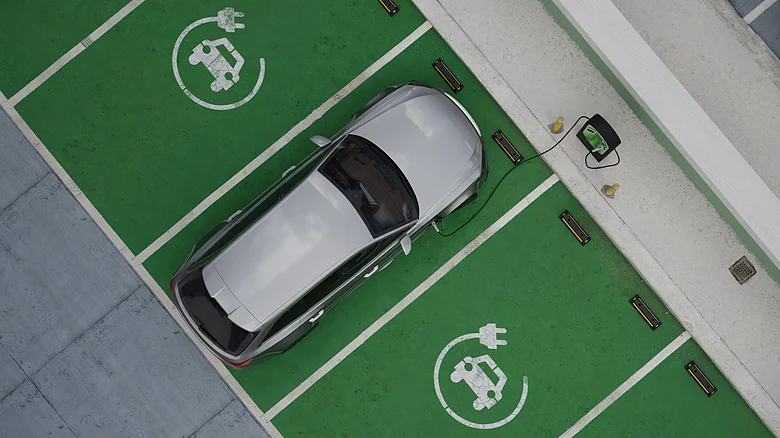

Delhi's EV Policy 2.0 takes effect July 1, backed by ₹15,000 crore investment over four years, targeting 95% electric vehicle registrations by 2027.
Key incentives include ₹30,000 subsidy on e-two-wheelers, ₹50,000 on e-three-wheelers, and ₹1 lakh scrapping incentive for BS-IV four-wheelers; hybrid vehicles excluded.
Only electric autos will be registered from January 2027, with mandatory e-two-wheeler registration from April 2028; ASSOCHAM and industry leaders have welcomed the policy as a national benchmark.
The Delhi government has cleared its long-awaited Electric Vehicle Policy 2.0, which will take effect on July 1, with Chief Minister Rekha Gupta unveiling it as a key step in an ambitious drive to speed up the capital’s shift to clean mobility.
Approved by the Delhi Cabinet on Monday, the policy entails a government investment of nearly ₹15,000 crore over the next four years and targets making 95% of all new vehicle registrations in Delhi electric by 2027.

1 October 2026
Get the latest issue of Outlook Business

Subsidies, Scrapping Incentives, And Phased Mandates
As a significant benefit for consumers, the government has introduced direct subsidies to lower the cost of electric vehicles in the early stage of the policy.
In the first year, buyers of electric two-wheelers will be granted a subsidy of ₹30,000, while purchasers of electric three-wheelers will receive ₹50,000.
Advertisement
In another major development, owners of BS-IV four-wheelers will qualify for a scrapping incentive of ₹1 lakh if they opt to retire their older vehicles under the policy. This incentive is intended to remove older, more polluting vehicles from Delhi’s roads and encourage a transition to cleaner options.
On the infrastructure side, the policy introduces strict timelines for shifting toward fully electric public and commercial transport.
Starting January 1, 2027, only electric auto-rickshaws will be eligible for registration in Delhi, and from April 1, 2028, registering new electric two-wheelers will become compulsory. This policy is anticipated to substantially cut down the number of conventional fuel-powered vehicles on the city’s roads in the coming years.
Advertisement
However, Hybrid vehicles will not qualify for any subsidies under the new EV policy, even though officials had internally debated their inclusion. A previous draft had suggested offering incentives for hybrids costing up to ₹30 lakh, including a 50% reduction in road tax, but this plan was ultimately removed from the final policy following opposition from some stakeholders.
Industry And Expert Response
The policy has drawn widespread praise. ASSOCHAM welcomed it as a "forward-looking initiative" to address Delhi's persistent air pollution challenge while advancing sustainable urban mobility.
"The proposed investment of ₹15,000 crore towards strengthening the EV ecosystem, including charging infrastructure and incentives, reflects the scale of commitment required to accelerate the clean mobility transition," ASSOCHAM said, adding that the policy could serve as a model for other states.
Tarun Mehta, co-founder and CEO of Ather Energy, called it one of the most significant city-level pushes for electrification in India.
In an X (formerly Twitter) post, he said, "The combination of incentives, phased electrification mandates and charging infrastructure creates a very strong foundation," adding that if Delhi becomes majority EV, it has the opportunity to become a benchmark for the rest of the country.