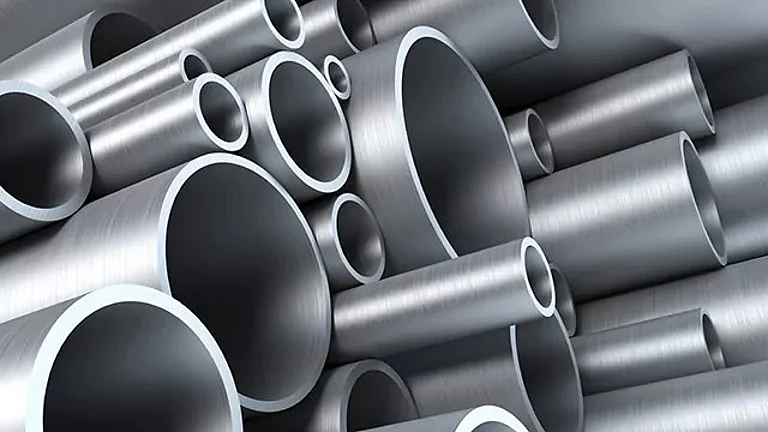
Coal imports in October saw a mixed trend with general coal shipments declining while coking coal imports rose.
The fall in overall coal imports was on account of availability of surplus coal in the domestic market.
Coking coal shipments increased 12% to 5.04 million tonnes (MT) during the month over 4.50 MT a year earlier, driven primarily by winter restocking activities by steel mills.

1 September 2026
Get the latest issue of Outlook Business

Coking coal is a critical raw material used in steel production.
Overall coal imports in October dropped 3.9% to 20.97 MT over 21.84 MT in the year-ago period, according to B2B e-commerce platform mjunction services ltd.
According to industry experts, steel manufacturers typically boost coking coal purchases ahead of the colder months to secure raw material supplies for sustained production during winter, when transportation and logistics face disruption risks. This seasonal demand prompted the rise in coking coal imports despite the broader slowdown in coal shipments.
Looking ahead to the fourth quarter, import levels are expected to remain subdued.
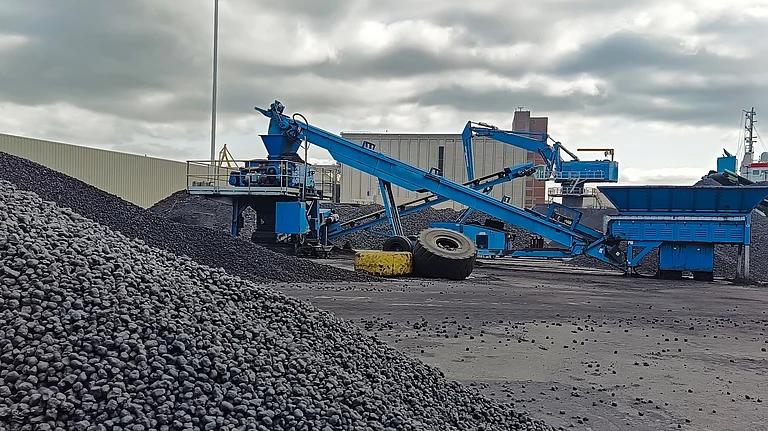
"During the coming months, imports are expected to remain subdued due to higher domestic production in the fourth quarter (January-March)," mjunction MD & CEO Vinaya Varma said.
Advertisement
Coal and Mines Minister G Kishan had informed Parliament that efforts are being made on a continuous basis to ensure more domestic supplies of coal. Thus, the entire substitutable imported coal is expected to be met by the country and no import other than the very essential should happen.
A new sub-sector 'Steel using Coking coal through WDO (washery developer operator) route' was created in 2024 with an aim to increase domestic coking coal consumption and also increase availability of washed coking coal in the country, thereby reducing coking coal imports.
Coking Coal Mission has been launched to enhance coking coal supply to the steel sector to reduce imports of coking coal. Initiatives have been taken to enhance coking coal production.