
96% of vendors reported fewer customers after the 2025 heatwave forced people indoors.
Nearly 90% vendors reduced working hours as extreme heat made outdoor vending difficult.
IMD warns hotter-than-normal summer ahead with above-average temperatures expected across India.
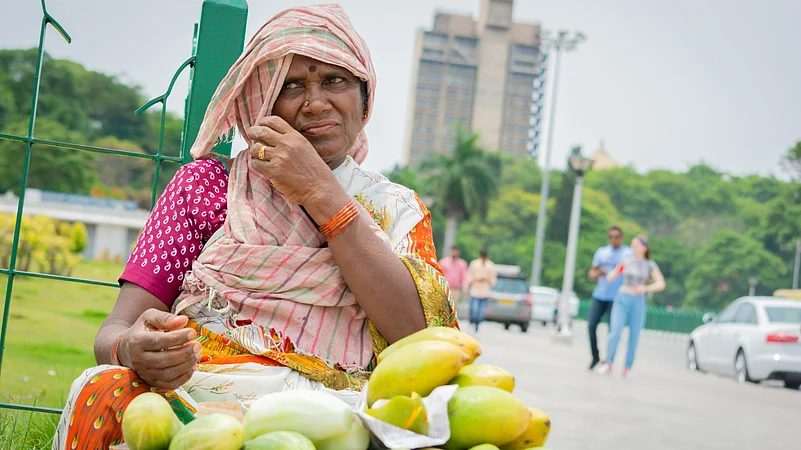
About 96% of vendors said that they experienced a significant drop in customers after the 2025 heatwave. The trend was reported across genders and types of goods sold, as many people stayed indoors to avoid the heat.
As a result, 90% of vendors said they voluntarily reduced their working hours because standing in the sun without shade had become nearly impossible.

1 September 2026
Get the latest issue of Outlook Business

Loss of goods also emerged as a major problem. The survey found that 72% of vendors experienced damage or spoilage of goods.
Those selling fruits, vegetables and prepared food reported the highest losses, with 94% affected. In contrast, 41% of vendors provided services, and 57% of vendors sold non-food items. The situation was made worse by the absence of shade. The likelihood of vendors cutting their working hours was significantly higher when they had no cover.

Researchers claim that vendors who are already having difficulty meeting household needs are under more financial strain due to decreased revenue and growing daily expenses for water, electricity and shade arrangements.
The heatwave led to severe health consequences. In the second round of the survey, 79% of vendors—or their family members—reported consulting a doctor for heat-related illnesses such as heatstroke, dehydration and extreme fatigue. The study revealed that the financial burden of medical treatment contributed to a sharp rise in borrowing.
Advertisement
In addition, overall borrowing among vendors doubled between the two rounds of the survey. Women were particularly affected, with debt rising by 50 percentage points compared with a 40 percentage point increase among men.

Hotter Days Ahead?
According to Reuters, India is expected to experience a hotter-than-normal summer this year, with heatwave days predicted during March and May to exceed the seasonal average, the weather office said on February 28.
Citing Mrutyunjay Mohapatra, Director-General of the India Meteorological Department (IMD), Reuters reported that the minimum temperatures are likely to remain above average across most areas during the first month of the summer season in March.
Advertisement
In February, both maximum and minimum temperatures were above average, making it the fifth-warmest February since records began in 1901.
A Mumbai-based dealer with a global trade house told Reuters that above-average temperatures in March could impact the grain size of maturing winter-sown crops, potentially reducing yields.