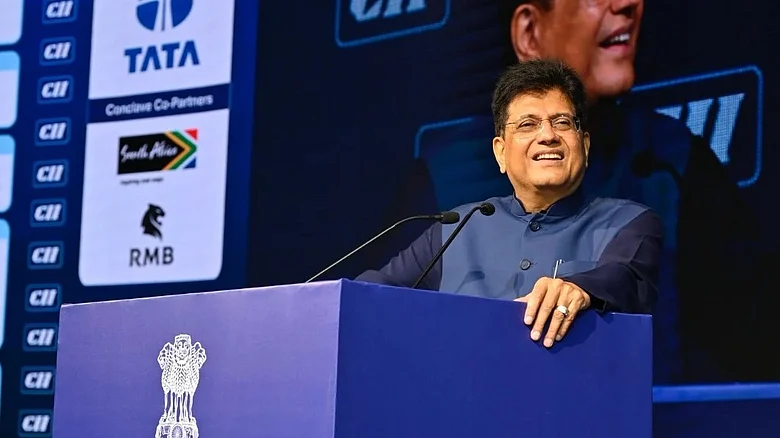

Commerce Minister Piyush Goyal said India and the EU will accelerate efforts to conclude their free trade agreement.
Key gaps remain on tariffs, market access and sustainability conditions, even as both sides aim to strengthen ties.
Contentious issues include automobiles, steel, carbon levies and IP rules, while India seeks duty-free access for labour-intensive goods and recognition for its expanding electronics and auto sectors.
India and the European Union will accelerate negotiations on their long-pending trade agreement at the earliest opportunity, Commerce Minister Piyush Goyal said on Wednesday. His comments came after another round of discussions amid growing signs that the year-end deadline may slip.
Goyal met an EU delegation led by European Commissioner for Trade and Economic Security Maros Šefčovič on Monday as both sides continued efforts to conclude the pact. New Delhi and the European bloc have been aiming to finalise the deal by the end of the year, following a commitment by Prime Minister Narendra Modi and European Commission President Ursula von der Leyen to fast-track negotiations.

1 October 2026
Get the latest issue of Outlook Business

However, progress has been uneven, with key differences persisting on tariffs, market access and the enforceability of sustainability commitments, Reuters reported, citing sources familiar with the talks.

Advertisement
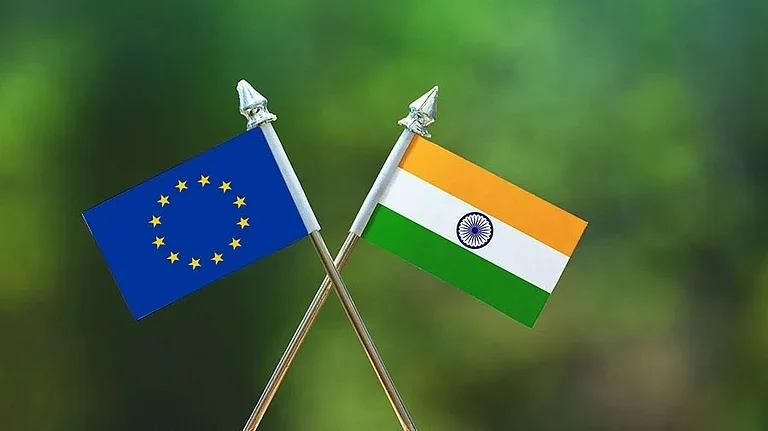
India–EU FTA Talks
The free trade negotiations, relaunched in 2022, gained momentum after former US President Donald Trump imposed blanket tariffs on several trading partners, prompting the EU to deepen ties elsewhere. The bloc has since sealed agreements with Mexico and Indonesia and has intensified its engagement with India, reports said.
The pact is expected to significantly strengthen India–EU bilateral trade, but officials caution that several contentious issues remain unresolved. Areas requiring further discussion include steel, automobiles, carbon levies, and a range of EU regulatory standards, all of which are sensitive for both sides, industry experts told the media.
Advertisement
The EU is pushing for steep tariff reductions on cars, medical devices, wine, spirits and meat, along with stronger intellectual property protections. India, meanwhile, is seeking duty-free access for labour-intensive goods and quicker recognition of its rapidly expanding autos and electronics sectors. Talks on investment protection and geographical indications are being held in parallel, Reuters reported.
Despite the hurdles, both sides remain committed to advancing negotiations, with officials describing the upcoming months as crucial for determining whether a deal can be reached within the agreed timeline.