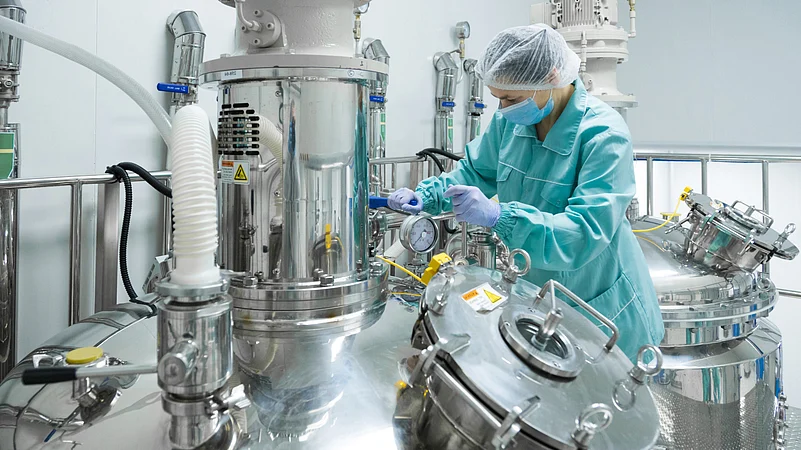

Over 60% of India’s small and medium pharma units may shut down by December for failing to meet updated GMP standards.
The stricter rules were introduced after country saw major public health incidents linked to contaminated medicines.
Toxic Indian-made cough syrups have caused multiple child deaths, including 24 in India and dozens abroad (Gambia and Uzbekistan).
More than 60% of India’s small and medium pharmaceutical manufacturers may be forced to shut down by the end of December after failing to comply with updated good manufacturing practices (GMP) mandated by the Ministry of Health and Family Welfare.
India has around 8,500 registered micro, small and medium pharmaceutical units out of nearly 10,500 manufacturing facilities nationwide.

1 September 2026
Get the latest issue of Outlook Business

Most of these MSME units operate single manufacturing plants and are struggling to meet the revised Schedule M norms under the Drugs and Cosmetics Act by the December 31 deadline, according to industry executives citied in a report by The Economic Times.



The revised rules, notified in January 2023, require stricter quality controls, including improved hygiene standards and faster product recall systems.
While large pharmaceutical companies were required to comply from July 1, 2023, MSMEs were initially given more time. The government later granted a conditional extension until December 31, 2025, for units with an annual turnover below ₹250 crore, provided they submitted compliance plans to regulators.
Advertisement
Despite this relief, many MSMEs are expected to fall short. “Several units have been operating for decades and are already under financial stress. They are unable to raise fresh capital to upgrade facilities,” Rajesh Gupta, an executive of the pharma committee of Rashtriya Swayamsevak Sangh-affiliated Laghu Udyog Bharati told The Economic Times.
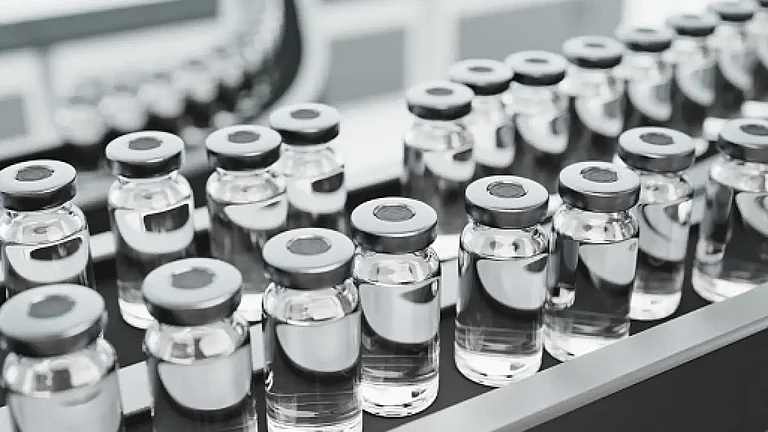
Industry experts reportedly warned that closures could disrupt supplies of commonly used medicines such as antibiotics, diabetes drugs, painkillers, anti-hypertensives, and cough and cold remedies.
The at-risk units account for nearly ₹75,000 crore of India’s ₹2.5 lakh crore domestic drug market and supply medicines to government programmes, smaller cities, and export markets.
Advertisement
A pharma industry expert told the newspaper that shortages could be felt nationwide, particularly in tier-II and tier-III cities and may also affect low- and middle-income countries that rely on Indian drug exports.

The stricter enforcement follows a series of public health incidents, including the deaths of at least 24 children in Rajasthan and Madhya Pradesh after consuming cough syrups contaminated with diethylene glycol, a toxic industrial solvent.
Over the years, diethylene glycol in Indian-made cough syrups has claimed dozens of lives. In 2023, contaminated syrups were linked to the deaths of 70 children in The Gambia and 18 children in Uzbekistan.
Earlier, between December 2019 and January 2020, at least 12 children under the age of five died in Jammu after reportedly consuming cough syrup.
According to the November 7 order from the CDSCO, headed by Drugs Controller General of India Dr. Rajeev Singh Raghuvanshi, state drug regulators have been instructed to intensify inspections and submit monthly compliance reports. Pharma units found violating GMP norms will face tougher action.
More than 20 pharmaceutical associations have sought a further extension of the deadline, but the government has not indicated any change in its position so far, ET reported.