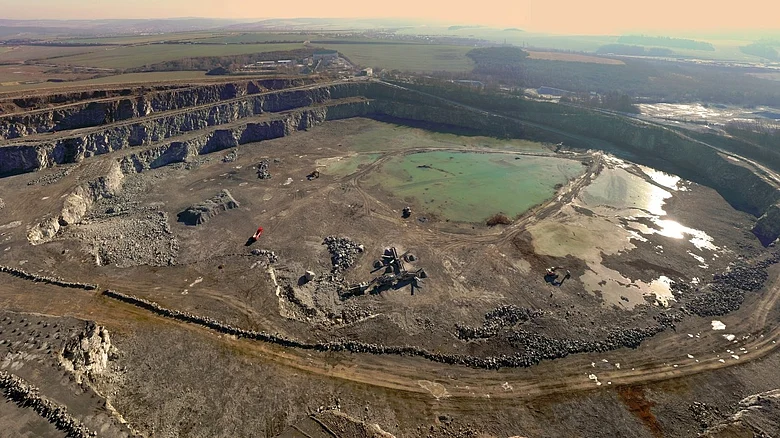
LOHUM on Wednesday announced the dispatch of the first tranche of lithium ore from its mining assets in Zimbabwe's Matabeleland South Province.
The dispatch is the first output from LOHUM's Zimbabwe operations, making it the first Indian company to start lithium operations globally, it said.
The move expands the company's critical materials platform upstream into primary lithium supply, alongside its existing refining, advanced manufacturing and recycling operations.

1 October 2026
Get the latest issue of Outlook Business

LOHUM has secured rights to ten spodumene-bearing lithium mining blocks in Matabeleland South Province, covering approximately 1,100 hectares and carrying estimated deposits of 30-40 million tonnes of spodumene ore, it said.


At prevailing lithium carbonate prices, the deposits carry an estimated in-situ value of approximately $7 billion, as per the company.
Beyond the initial 10 blocks, LOHUM has an option to acquire up to 90 adjacent mining blocks, providing a tenfold expansion potential of its primary spodumene resource base in the region, it said.
Existing spodumene concentration facilities in the vicinity provide immediate processing options while LOHUM develops its own concentration capacity in the country, the company said.
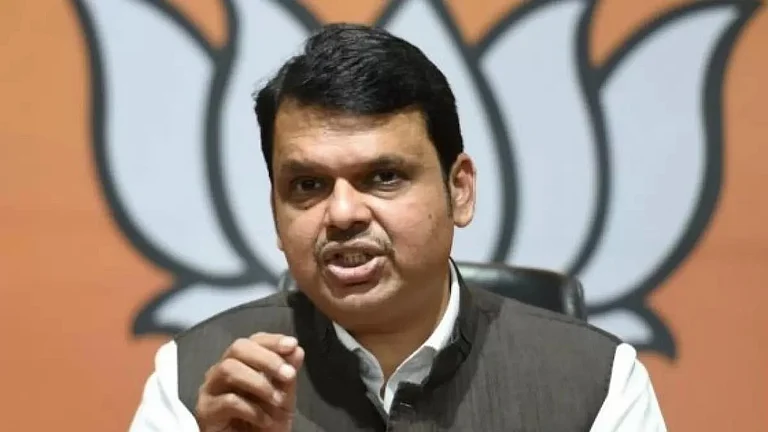
"The dispatch of this first tranche marks the beginning of our lithium operations in Zimbabwe. These assets allow us to take lithium from the ground through refining to the cathode and recover it again at end-of-life, within a chain India now has a stake in," said Rajat Verma, Founder and CEO, LOHUM.
Advertisement
"We are approaching Zimbabwe as a long-term partner, building processing capability locally rather than shipping ore out, so that value creation, and the cost benefit that follows, is shared rather than exported," Verma added Battery cost is the single largest lever on the price of an EV, while lithium is the single largest lever on battery costs.
Every rupee taken out of the lithium supply chain, through shorter shipping distances, integrated refining, and reduced dependence on volatile international pricing, moves closer to the pump-parity moment, it said.