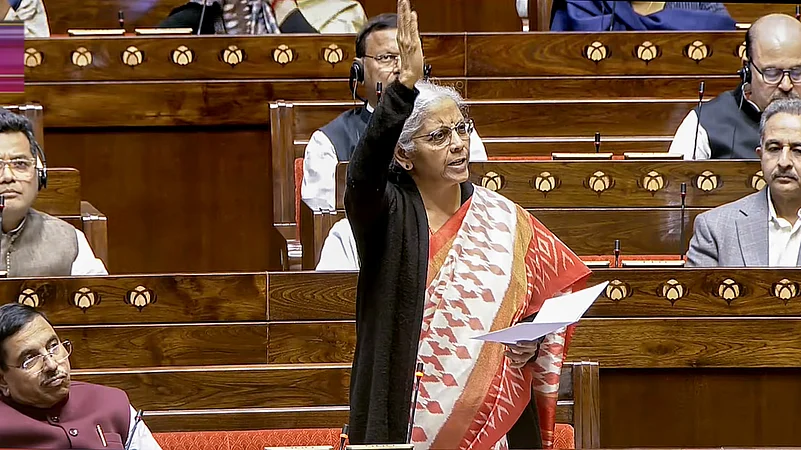

Individual taxpayers and businesses prepare for Union Budget 2026 spending and tax plans.
Budget planning begins early as ministries submit revenue and spending estimates.
Union Budget preparation begins months early, allowing detailed planning and consultations.
Individual taxpayers and businesses have started preparing for the Union Budget 2026, which will set the government’s spending and taxation plans for the upcoming year. Many are hoping for a smoother shift to the new Income Tax Act, 2025, with changes that make compliance easier and reduce financial pressure.
With inflation affecting household budgets, middle-class families are seeing for measures that increase disposable income and simplify tax rules. Business leaders are also keen on incentives that encourage investment and growth in key sectors.
The budget process starts months in advance. The Ministry of Finance sends out instructions to ministries, states, and autonomous bodies, asking them to submit their revenue and spending plans. These submissions form the basis of the government’s annual financial blueprint.

1 September 2026
Get the latest issue of Outlook Business

Officials go through these numbers to estimate revenue, spending, and the fiscal deficit. The Chief Economic Advisor offers guidance on economic trends and policy priorities, helping decide how funds should be allocated.
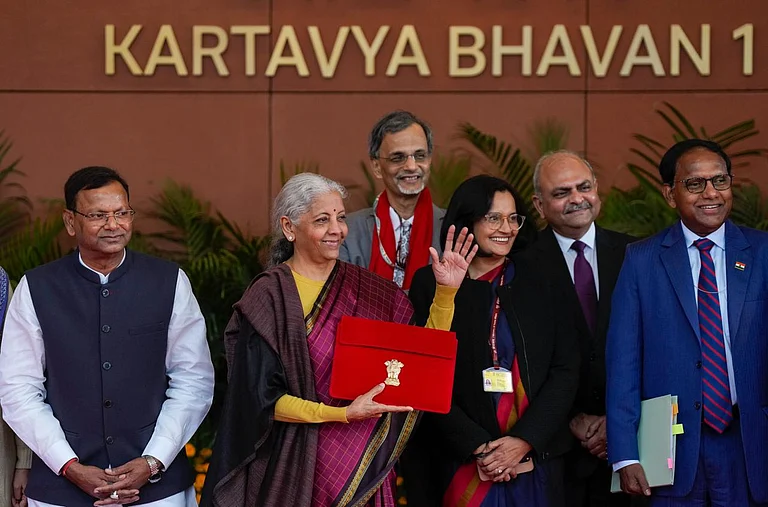
What Can We Expect from Budget 2026–27?
Taxpayers are hoping the budget will make it easier to follow the new Income Tax Act, 2025. Many want simpler procedures and some relief to help households cope with rising prices.
Advertisement
Businesses are looking for support in key sectors. Reports say the government may introduce a new incentive under the Drone Shakti program to encourage domestic drone manufacturing with subsidies and long-term backing.
With Budget day nearing, focus is on how the government will balance spending discipline with relief for households, businesses, and the wider economy.