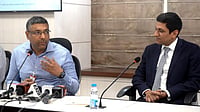
Dream Sports restructured into eight semi-autonomous business units following India's real-money gaming (RMG) ban
The RMG ban effectively outlawed cash-based contests, eliminating 95% of Dream11’s revenue and its profitability
Dream11 was recast as a second-screen sports platform focused on creator-led watch-alongs
Dream Sports, the parent company of fantasy platform Dream11, has reorganised itself into eight semi-autonomous business units in response to India’s ban on real-money gaming, MoneyControl reported.
The shift reportedly follows the passage of the Promotion and Regulation of Online Gaming Act 2025, which effectively outlawed cash-based contests, a change the company says eliminated about 95% of Dream11’s revenue and wiped out its profitability.
1 June 2026
Get the latest issue of Outlook Business

Under the new structure, Dream Sports has reportedly split its operations across eight distinct entities spanning content, experiences, gaming, fintech, AI, open-source initiatives and philanthropy. The units now include FanCode (sports content), DreamSetGo (sports experiences), Dream Cricket (games), Dream Sports AI (home to analytics app Dream Play and prediction tool RushLine), Dream Money (fintech), Dream Horizon (open-source projects), Dream Sports Foundation and a reconstituted Dream11.
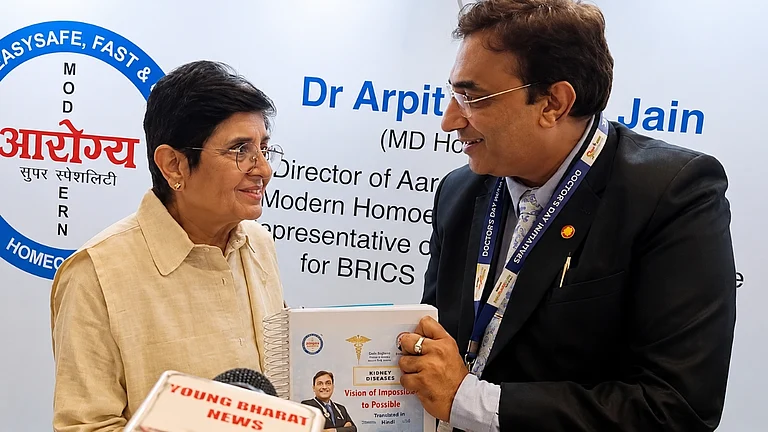



Each vertical will be led by its own CEO and will have the flexibility to raise external funding, while Dream Sports maintains majority ownership. The company framed the overhaul as a way to unlock growth opportunities across its diversified portfolio despite the severe contraction of its flagship fantasy-gaming business.

Leadership & Staffing Shifts
Several senior executives have moved to lead the new startups: CTO Amit Sharma now heads Dream Sports AI, Amit Garde leads Dream Horizon, and product chief Rahul Mirchandani is in charge of the fintech arm alongside co-founder Bhavit Sheth. Dream Sports has redistributed about 800 of Dream11’s roughly 1,000 employees across the group; management says the reimagined Dream11 product itself requires fewer than 200 people.
Company founder Harsh Jain said the restructuring adopts a CEO-led model, “you run your ship, we’ll run ours”, with central functions such as legal, HR and finance kept at the parent level.
Product Pivot
Dream11 has been recast as a second-screen sports platform centred on creator-led watch-alongs, live commentary, real-time fan reactions and free-to-play fantasy contests.
The app now features livestreams hosted by creators, an in-app currency called DreamBucks that viewers can buy or earn and spend on shoutouts and pinned messages, and other community tools aimed at retaining engagement without cash stakes.

No-Layoffs Pledge
Management has so far maintained a no-layoffs stance, saying the firm has a runway of three to four years and will conserve cash by trimming benefits, marketing and office space. The company has also removed bonus lock-ins for recent hires so employees who want greater stability may leave with pro-rata payouts, Jain said.
Dream Sports was last valued at about $8 billion after a large funding round in 2021; the group reported revenue of ₹6,384.49 crore and a PAT of ₹188 crore for FY23. The company in March moved its legal domicile from Delaware back to India, a “reverse flip”, a step observers linked to plans for a possible future public listing.