Long-term air pollution increases cardiovascular disease risk in elderly diabetics significantly.
PM10, PM2.5 and ozone strongly linked to higher heart disease incidence.
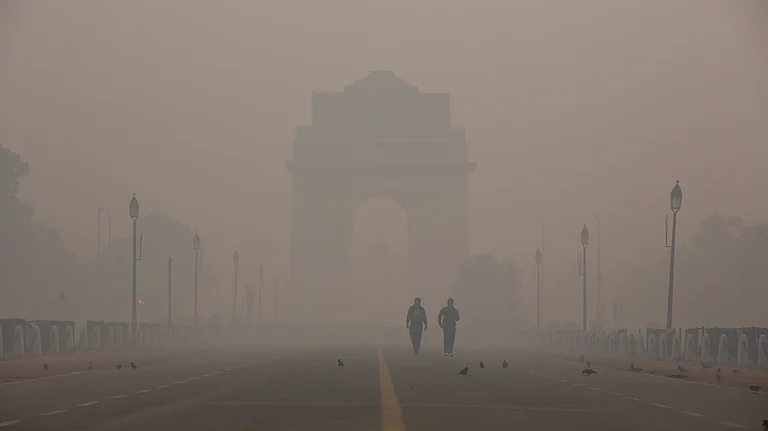
Nearly 44% of Indian cities face chronic air pollution, raising health concerns.
Long-term exposure to air pollution puts elderly and middle aged populations with diabetes at a higher risk of developing cardiovascular diseases, according to a study published by Diabetology & Metabolic Syndrome in 2025.
Researchers from a hospital affiliated with the Northwest University in Shanxi Province used data from the China Health and Retirement Longitudinal Study (CHARLS), a nationally representative survey of adults aged 45 and their spouses that tracks social, economic, and health circumstances over time.

1 September 2026
Get the latest issue of Outlook Business

New cardiovascular disease occurrence was determined via self-reports by participants, while diabetes was diagnosed per American Diabetes Association criteria. Cardiovascular disease included incidence of myocardial infarction, coronary artery disease, angina pectoris, congestive heart failure, stroke and other heart diseases.
The prevalence of cardiovascular disease was found to be 13.8% among participants with a history of diabetes, compared to 8.5% of those without. For each interquartile range increase in pollutant concentration, cardiovascular disease risk increased by 19 to 28%, with PM10 showing the strongest association. Other pollutants included in the study were PM1, PM2.5 and ozone.
Advertisement
Air Pollution Raises Global Heart Risks
Air pollution is a major global health threat to the life of every human being across the globe, with estimates suggesting that nearly 99% of the total population of the world is exposed to ambient air that exceeds safe standards. This exposure significantly increases the risk of heart disease and stroke. Long-term exposure to tiny particles in the air (PM2.5) is also associated with millions of deaths each year, of which the major share of deaths is due to heart disease. Also at high risk of complications are diabetics.
This comes amidst concerns expressed by the Congress party, which referred to a report by the Centre for Research on Energy and Clean Air (CREA) that almost 44% of cities in the country experience persistent levels of air pollution. The party has referred to this as a “structure crisis” that is hidden away as “India’s worst-kept secret”, citing the lack of a parliamentary debate despite repeated demands from the opposition party.