
IndiGo’s stock has dropped sharply as operational disruptions escalate and analysts adjust their outlooks
Rising costs, stricter duty-time norms, and regulatory scrutiny have led to lower earnings expectations
Despite the turbulence, some brokerages still believe long-term demand and industry fundamentals remain solid
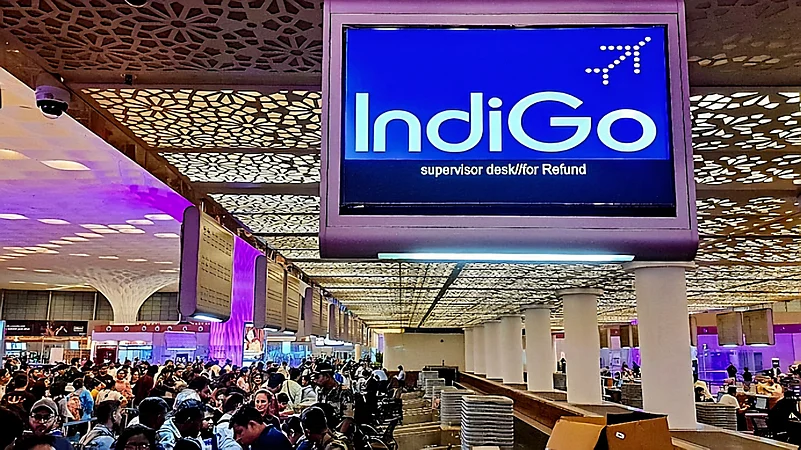
Shares of InterGlobe Aviation, the parent of IndiGo, has fallen down over 14% to ₹4,973.50 since the airline’s operational disruptions started. The company’s stock price tumbled 7.39% in today’s trading session alone. Indigo cancelled more than 1,000 flights in a single day, which prompted brokerage firms to cut target prices due to ongoing fiasco triggered by the new Flight Duty Time Limitations.
JM Financial, in its latest report dated December 7, maintained “reduce” rating on IndiGo, while noting that the current turbulence could results in some “lasting cost pressures”. “The recent incident is likely to lead to a higher CAGR in CASK ex-fuel-ex-forex in future years subject to regulatory actions”.

1 September 2026
Get the latest issue of Outlook Business

However, the analyst said the government is unlikely to curtail capacity growth given the growing demands of the Indian economy, given the dominant 62% market share in the Indian Airlines industry. It stated that regulatory action including a show-cause notice to the CEO is likely to further dampen stock performance besides possible impending one-time penalty.
Advertisement
“In the near term, we estimate earnings hit of 8-9% for FY26 if the situation lasts for a total of ~15 days with 5 days already done (not including the penalty amount). We await further clarity to revise our earnings estimates, given it’s a developing situation,” it added.

It further said one-time costs are likely to rise due to automatic refunds, hotel arrangements, and baggage delivery. The brokerage views this as an acute but temporary shock, given that cash flows remain strong and demand is unaffected.
Investec remains negative on IndiGo, reiterating its “sell” call with a target price of ₹4,040. The brokerage highlights a sharp escalation in costs, driven by a 6% QoQ rise in ATF prices and the rupee weakening to 90 against the dollar. The fresh round of flight cancellations has further dampened hopes of an earnings recovery.
Advertisement
“With IndiGo required to fully comply with the updated norms by February 10 2026, the airline may need about 20% more pilots per aircraft, a shift that could raise costs by ₹0.10 per ASK and, without fare hikes, potentially shave off nearly 25% of profit before tax,” it added.
Jefferies has also reiterated its ‘buy’ rating on IndiGo with a target price of ₹7,025. It noted that the airline is in “full reboot mode” as it works to stabilize operations and restore reliability, while emphasising that industry fundamentals remain intact.
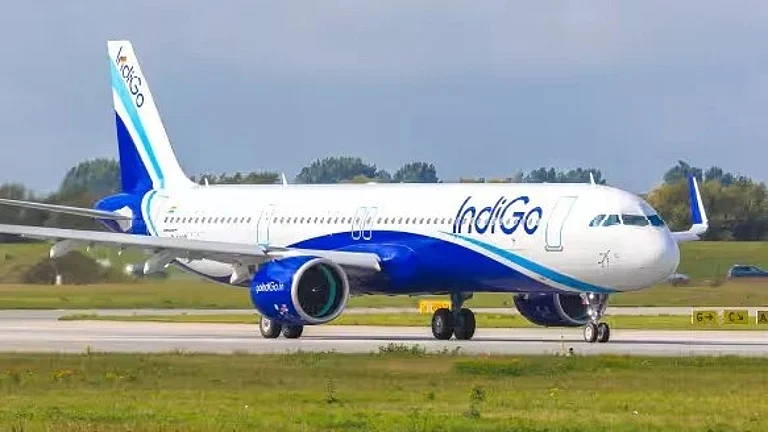
“Operational disruptions are set to inflate non-fuel costs, including potential regulatory impacts or fines, while the weaker rupee pushes up dollar-linked expenses such as leases, maintenance, and fuel. The upcoming FDTL rules will also raise employee costs by reducing pilot productivity and accelerating the need for hiring and training,” it said.
On Monday, IndiGo flight disruptionsd entered the seventh day as the crisis-hit carrier cancelled 127 flights from Bengaluru Airport.
In another development, aviation safety regulator DGCA in an order on Sunday late evening extended the time by Monday 6 pm for IndiGo CEO Pieter Elbers and Chief Operating Officer and Accountable Manager Isidro Porqueras to submit reply to its show cause notice over the ongoing disruptions in the airline’s operations.
The Gurugram-based airline, partially-owned by Rahul Bhatia, has been facing heat from both the government and the passengers for cancelling hundreds of flights since December 2, citing regulatory changes in the pilots' new flight duty and regulations norms, which resulted in lakhs of passengers getting stuck at airports pan-India.


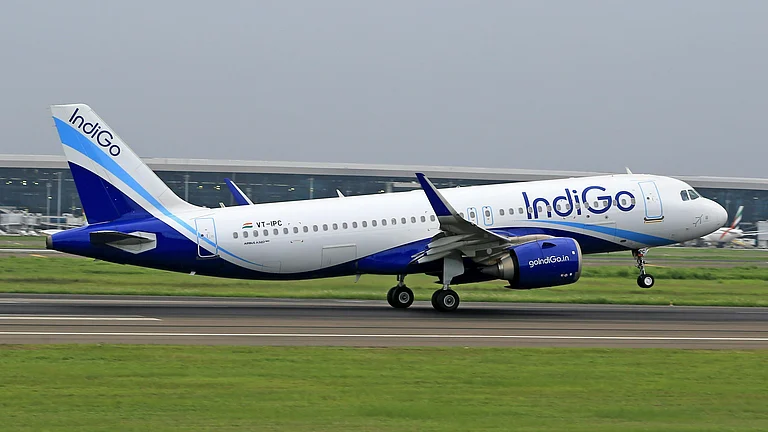
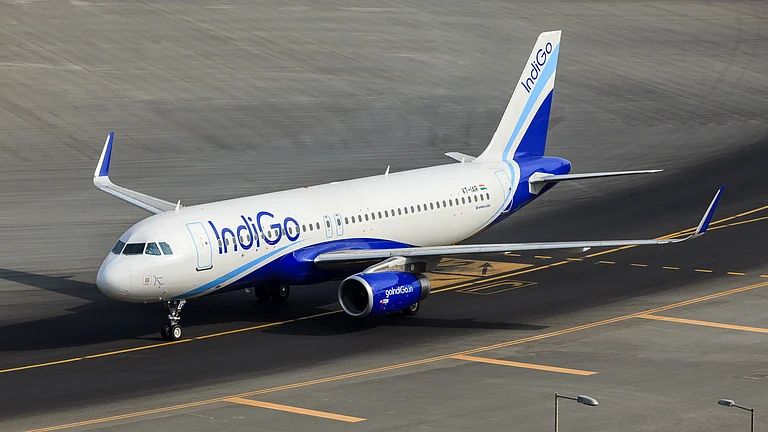
For the first three days the airline failed to acknowledge the huge number of cancellations and it was only Friday when it cancelled 1,600 flights (Friday), a record in Indian aviation history that CEO Elbers released a video apologising for the major inconvenience caused to passengers due to the disruptions.