
Nepal to permit high-denomination Indian currency after decade-long ban.
Move eases travel, trade and banking for India and Nepal.
Policy aims to boost tourism revenue and strengthen India-Nepal ties.
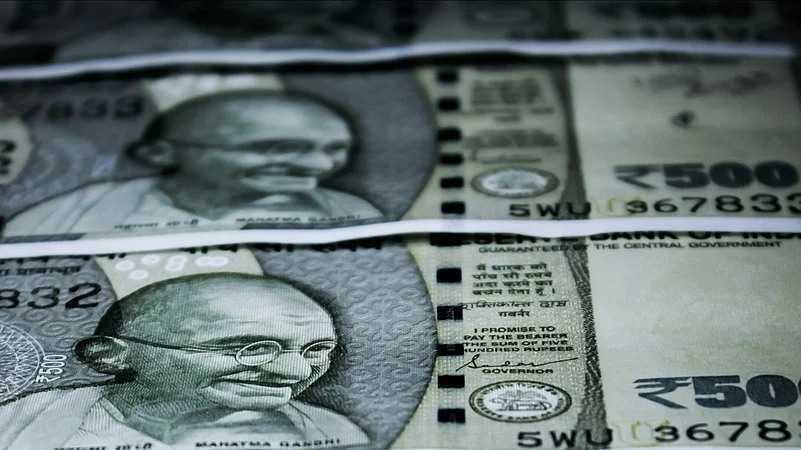
Nepal is planning to permit the circulation of Indian currency notes above ₹100, about a decade after high-denomination notes were banned in the Himalayan nation, according to a report by The Kathmandu Post.
“We are in the final stages. We are preparing to publish the notice in the Nepal Gazette, and will then issue circulars to banks and financial institutions about the new rule,” Guru Prasad Poudel, spokesperson for the Nepal Rastra Bank (NRB), was quoted as saying.

1 September 2026
Get the latest issue of Outlook Business

The NRB is the Himalayan nation’s central bank.

Easing Cross-Border Currency
In addition to students, pilgrims, medical visitors, and tourists from both countries, the action is anticipated to greatly reduce currency-related difficulties for Nepali migrant workers travelling to India. Although the new rule's official date has not yet been confirmed, Poudel stated that the process is "in the final stage."
The change comes after the Reserve Bank of India (RBI) amended its Foreign Exchange Management (Export and Import of Currency) Regulations on November 28 of this year. The amendment, which was published in India's official Gazette on December 2, 2025, permits people to travel to Nepal with Indian currency notes of any denomination up to ₹100. They can also move notes worth more than ₹100 in either direction up to a total of ₹25,000.
Advertisement
Impact on Tourism Revenue
According to Business Standard, Nepal has long sought this relaxation, as limits on high-value Indian currency have affected tourism, particularly casinos and hospitality businesses catering to Indian visitors. According to Kathmandu-based sources, many travellers have inadvertently broken the rules, resulting in arrests and fines. Currently, tourists visiting Nepal, including Indians, may bring in up to $5,000, or the equivalent in other convertible currencies, without declaration. Amounts beyond this must be declared at customs, and visitors cannot take out more than $5,000. India the top source of tourists for Nepal.

Advertisement
Long‑Term Policy Benefits
The decision reflects broader efforts to deepen India–Nepal economic ties. The RBI had allowed Indian banks and their overseas branches to extend rupee-denominated loans to persons residing in Bhutan, Nepal and Sri Lanka to strengthen regional trade and payment systems on October 13, 2025.
According to PTI, the RBI said the step was taken to facilitate cross-border trade transactions and is part of its ongoing efforts to ease external trade and payment mechanisms. In October, amendments had been made to the Foreign Exchange Management (Borrowing and Lending) Regulations, 2018 and the Foreign Currency Accounts by a Person Resident in India) Regulations, 2015.