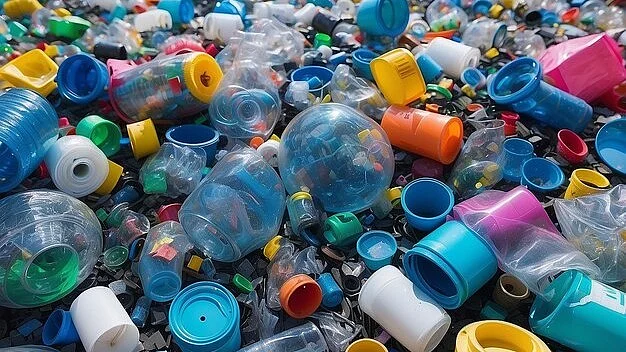

India needs advanced technologies for plastic recycling, the official said.
The focus should be on higher quality and value addition.
The industry was urged to adopt global recycling best practices.
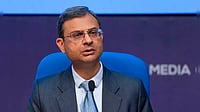
India is among the global leaders in plastics recycling but there is a need to use advanced technologies to improve quality and value-addition, said Tejveer Singh, the secretary in Department of Chemicals and Petrochemicals.
Addressing an exhibition-cum-conclave organised by the All India Plastics Manufacturers' Association (AIPMA), he also asked the industry to adopt best global practices on recycling.
Singh told industry representatives to focus more on R&D (Research and Development) and also take help of the government schemes.

1 September 2026
Get the latest issue of Outlook Business

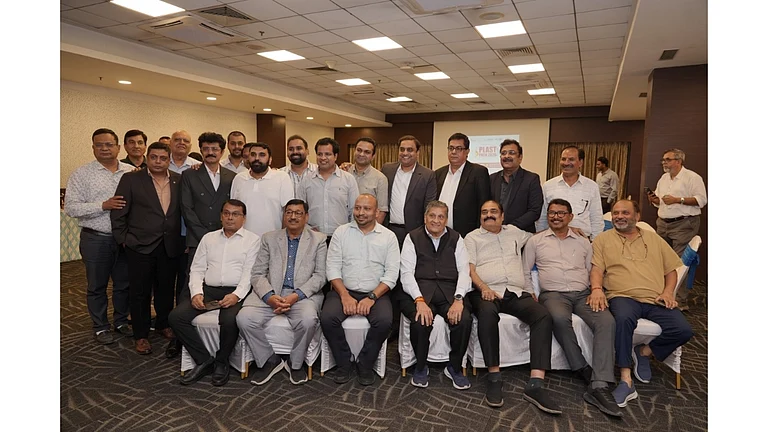
The AIPMA is organising its 3rd Global asConclave on Plastic Recycling and Sustainability (GCPRS 2026) in the national capital. The four-day conclave and exhibition has brought together industry leaders, policymakers, scientists, technology experts, and stakeholders from across the plastic recycling value chain.
"Plastics are a well-established material globally. Honestly, we cannot imagine the world without plastics today. For multifarious reasons, they are cheaper, they are lighter and they have multifarious uses. But at the same time, there is also an important responsibility on all of us," Singh said, while appreciating that sustainability efforts are an important focus of this conclave.
Advertisement
The secretary asked the industry to be vigilant about environment and health concerns, and look at this issue from a very evidence-based perspective.
"While it is true that India is among the global leaders in recycling, in terms of how much of the plastics is being recycled. I think we need to focus more on higher value addition and on quality. That should be really our bigger focus going forward," Singh said.
The secretary emphasised on use of more advanced technologies in recycling, including chemical recycling.
Singh said there was a need to look at having more mono material for packaging as that will help in recycling efforts. Use of multiple materials for packaging makes disaggregation process more difficult, he added.
Advertisement
The secretary stressed on the need to align with some of the best practices globally on recycling and said the Indian industry should not be left behind.
It is important to keep pace and be aligned with global benchmarks, especially when India needs to double, or quadruple, exports, he said.
Singh also spoke about the challenge of littering of plastic products. "I am happy that there has been some move to look at biodegradable plastic packaging also, and I am sure going forward we will find some more enduring solutions".
He stressed on greater collaboration between industry and academic institutions.

"India's chemical and petrochemical sector needs to focus more on R&D," Singh said, adding that the industry must take advantage of the government schemes.
He told the industry to come up with good research projects.
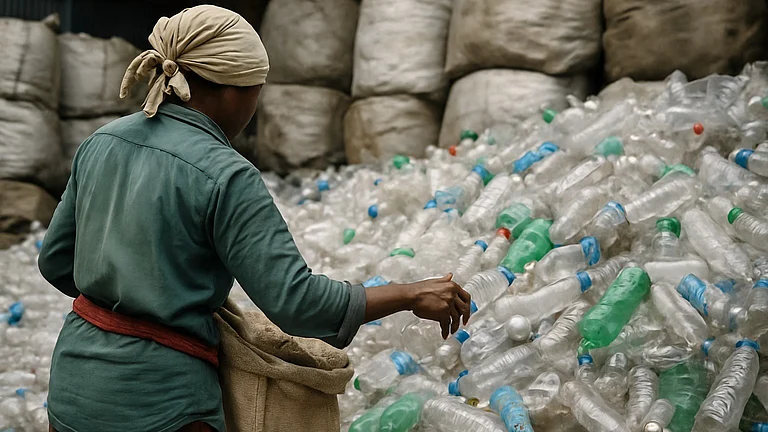
He appreciated the efforts of informal waste collectors, which are an important part of India's plastic recycling industry. "I think the challenge is to slowly find ways to formalise it and use better technology, so that we can come up with better collection, recycling and reuse".


The secretary assured the industry that it is open to all suggestions for the growth of this industry, including those related to import substitution or increasing exports.
Concluding his address, Singh said plastic recycling and sustainability must go hand in hand. He noted that the plastic sector should demonstrate, through actions and deeds, that it is responsible and environmentally conscious.
Arvind Mehta, Chairman of the AIPMA Governing Council, said that the event has attracted more than 250 exhibitors from 12 countries. AIPMA is working to bridge technological gaps, promote skill development, create employment opportunities and significantly enhance India's plastic exports.
AIPMA President Sunil Shah said the association is committed to strengthening India's plastic recycling ecosystem while advancing India's sustainability goals.