




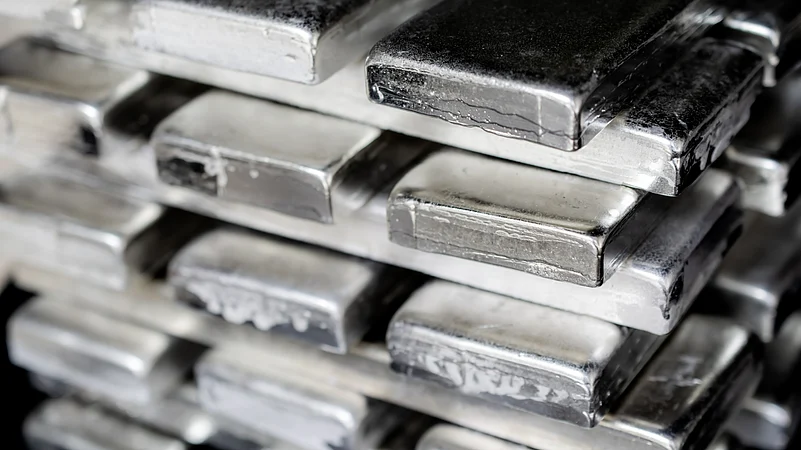

Traders brought in around 89.81 tonnes of silver in August through IIBX in GIFT City, ending six months of zero imports.
Around 400 tonnes of licences are estimated to have been approved, but mandatory certificates proving the country of origin are delaying customs clearance.
Jewellers may rebuild inventories ahead of the upcoming festival and wedding season, but shipping, customs and refining delays mean the market remains dependent on existing stocks and limited incoming supplies.
India’s silver imports are showing signs of recovery as traders and banks obtain licences to take advantage of elevated domestic premiums, Business Standard reported, citing people familiar with the matter.
Traders imported around 89.81 tonnes of silver in August 2026 through the India International Bullion Exchange (IIBX) in Gujarat’s GIFT City, according to Bloomberg data. The imports mark the end of a six-month period during which India recorded no shipments through the exchange.

1 September 2026
Get the latest issue of Outlook Business

India is among the world’s biggest silver consumers and relies heavily on overseas supplies.


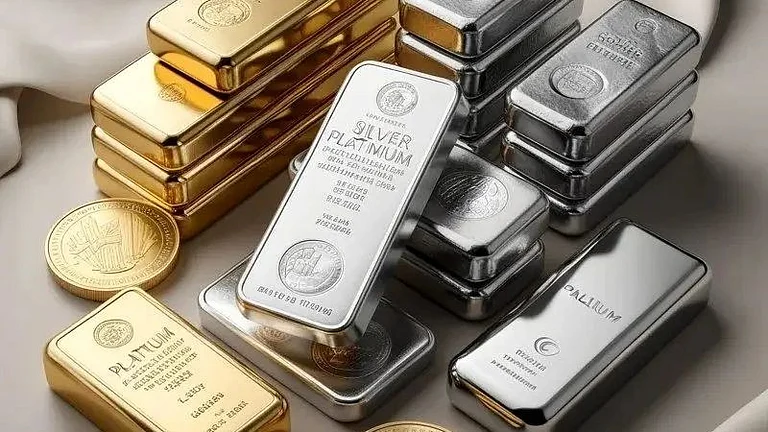
However, imports fell sharply after the government introduced licensing requirements in May to protect foreign-exchange reserves.
Silver Supply Begins To Improve
The revival in imports has been encouraged by higher domestic prices, which have made the Indian market more attractive to overseas suppliers.
Advertisement
The increase in availability has already narrowed the premium for silver in India compared with international prices.
However, the 30-day average premium remained around $4 per ounce as of Friday, according to Metals Focus.
Harshal Barot, principal consultant at Metals Focus, said availability had improved compared with July, with around 400 tonnes of import licences believed to have been approved.
However, the licensing process continues to create obstacles for traders.
Documentation Creates Fresh Hurdles
Under the revised rules, each silver shipment must be accompanied by a certificate establishing the metal’s country of production.
While origin information is generally included in shipping documents, traders now need a formal certificate issued by a government authority.
Advertisement
Barot said this is unusual outside imports conducted under free-trade agreements and has prevented some traders from clearing shipments through customs because they cannot obtain the required documentation in time.
As a result, the resumption of licences has not yet translated into a full recovery in physical silver flows.
Festival Demand Could Lift Imports
Demand could increase in the coming months as jewellers begin rebuilding inventories ahead of the upcoming festival and wedding season, according to Renisha Chainani, chief research officer at Augmont Enterprise.
But even after traders receive the necessary approvals, the physical movement of silver can take additional time.
Chainani said shipping, customs clearance and refining can collectively add several weeks to the supply chain.
For now, she said, the Indian market is relying largely on existing inventories and limited incoming supplies rather than a sustained improvement in imports.
The documentation requirements are also influencing sourcing decisions. Traders are increasingly favouring suppliers and countries capable of providing the required certificates quickly, allowing shipments to clear customs without further delays.









