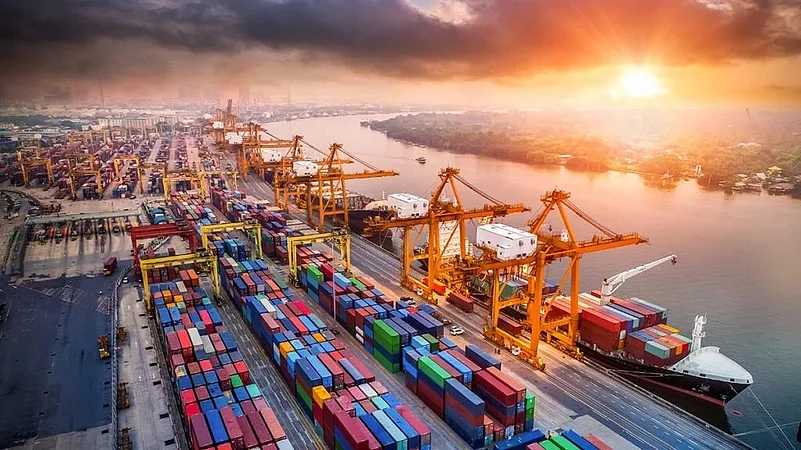
India's major ports could face significant cargo build-up within the next four to five days, the government has warned, as the ongoing crisis in West Asia begins to ripple through the country's trade and logistics network.
The alert came out of a high-level inter-ministerial meeting held on March 6. The meeting brought together officials from several key ministries and departments, including the Ministry of External Affairs, RBI, Directorate General of Foreign Trade, Central Board of Indirect Taxes and Customs, and Food Safety and Standards Authority of India, along with exporters, according to NDTV Profit.
Officials flagged that congestion could build up at two of India's busiest ports, Mundra in Gujarat and Nhava Sheva (also known as Jawaharlal Nehru Port) near Mumbai, as cargo movement slows.

1 September 2026
Get the latest issue of Outlook Business

Shipments headed to major markets like the US and the European Union could face delays as a result. The meeting reportedly reviewed port operations, container availability, and potential steps to shield exporters from prolonged disruption.


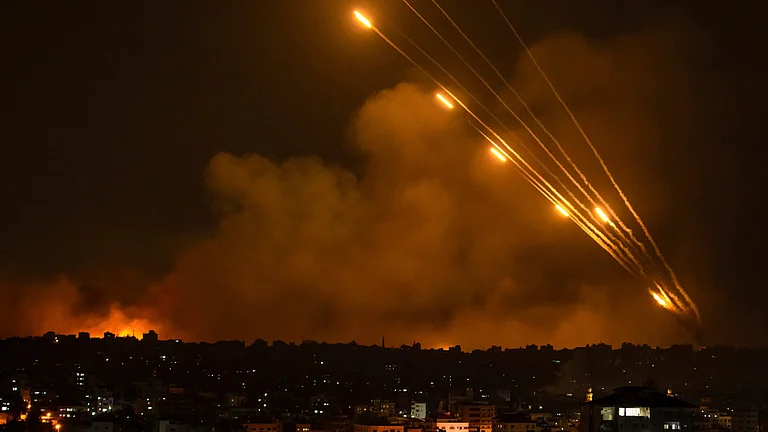
This comes a week after over 300 containers carrying frozen food and perishable goods were left stranded at Jawaharlal Nehru Port after clearances were halted on February 28, the day the conflict started.
Shipments meant for Dubai, Iran, Kuwait, Sharjah, and Doha were among those left stuck, raising fears of heavy financial losses for exporters, according to an earlier report by CNBC-TV18.
Advertisement

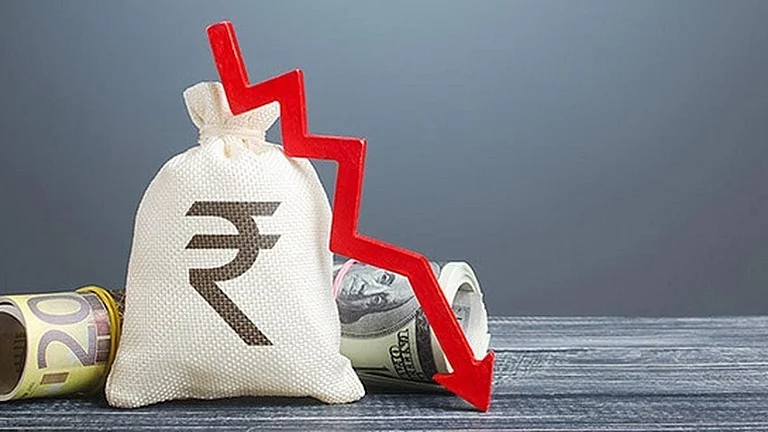
The West Asian crisis is already hitting Indian farmers and food exporters where it hurts. Basmati rice prices have fallen 6% following the escalation of tensions, with the agri-export industry bracing for steeper declines in the weeks ahead, according to earlier media reports.
The concern is acute as more than three-quarters of India's basmati rice production is typically exported, meaning any sustained slowdown in overseas demand quickly creates a domestic surplus and drives prices lower.
To address concerns around agricultural shipments, the Central Board of Indirect Taxes and Customs is expected to hold a separate meeting with the Food Safety and Standards Authority of India to review the status of consignments that may be delayed or returned.
Advertisement
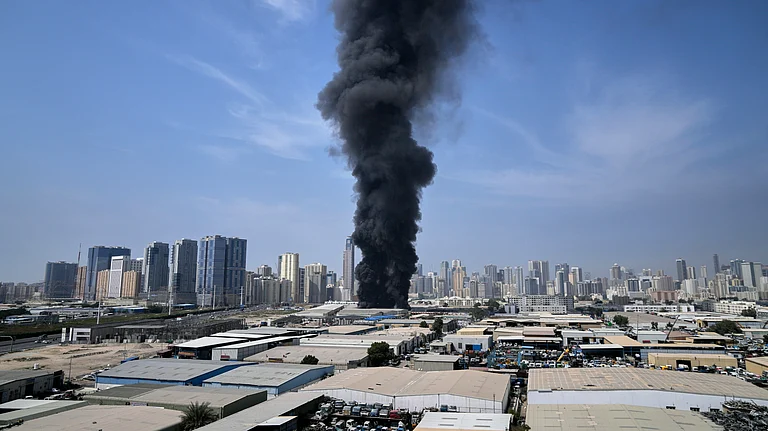
On the energy front, officials from the Petroleum Ministry reportedly offered some reassurance, crude oil imports remain largely unaffected so far.
However, they cautioned that supplies of liquefied natural gas (LNG) and liquefied petroleum gas (LPG) could come under pressure if the situation in West Asia worsens.
Authorities are exploring options including diversifying energy sources and locking in long-term procurement contracts as a precaution.
The inter-ministerial group discussed several measures to ease the burden on exporters. The RBI and commercial banks may consider extending payment deadlines, while the Export Credit Guarantee Corporation is being asked to look at temporary relaxations. Jewellery exporters have separately approached the government seeking interest relief.
To keep track of the evolving situation, the Department for Promotion of Industry and Internal Trade has called a special meeting of its Service Improvement Group on March 9 to assess developments and decide on next steps.