
Fed cuts rates by 25 bps in a rare 9–3 split vote, lowering the target range to 3.5–3.75% and signalling a slower pace of easing ahead.
Dot plot reveals deeper divisions, with seven officials projecting no cuts next year and several “soft dissents” on the policy path.
Economic projections revised, with GDP for 2026 raised to 2.3%, inflation seen above 2% through 2028, and the Fed set to resume $40 billion in T-bill purchases.
The US Federal Open Market Committee delivered a 25-basis-point rate cut in a 9–3 vote on Tuesday, lowering the federal funds target range to 3.5–3.75% and signalling a slower path ahead for monetary easing. The split vote — with three dissents — is the first since September 2019, raising questions about how unified policymakers are as they navigate the next phase of the cycle.
The move marks the third consecutive rate cut since September. Governor Stephen Miran favoured a larger 50-basis-point cut, while Kansas City Fed President Jeffrey Schmid and Chicago Fed President Austan Goolsbee voted to keep rates unchanged.

1 September 2026
Get the latest issue of Outlook Business

“In considering the extent and timing of additional adjustments to the target range, the Committee will carefully assess incoming data, the evolving outlook, and the balance of risks,” the FOMC said in its statement.
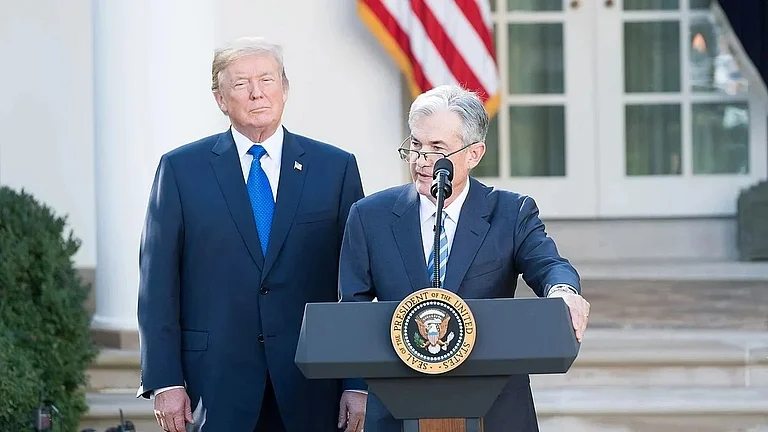
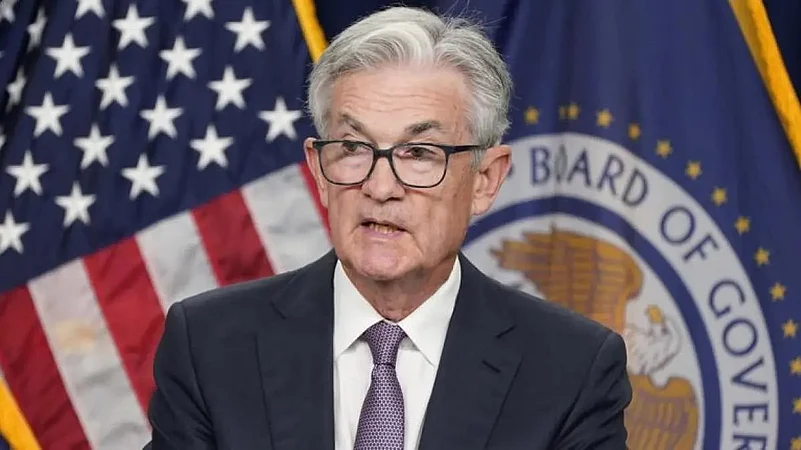
Fed Chair Jerome Powell said the rate cut leaves the central bank “comfortably positioned” as it assesses incoming economic data. “We're in the high end of the range of neutral,” he said. “We haven't made any decision about January, but we think we're well positioned to wait and see how the economy performs.”
Advertisement

The Dot Plot
The updated dot plot showed deeper divisions within the committee on the appropriate policy path. Two dissenting “no” votes and four non-voting participants projected higher rates than the median, signalling what Powell called “soft dissents.” Seven officials indicated they do not expect any rate cuts next year, pointing to a more cautious stance on the pace of easing.
The US Economy
The Fed revised up its 2026 GDP projection to 2.3% and expects inflation to remain above the 2% target until 2028. The central bank also announced the resumption of Treasury bill purchases after halting its balance-sheet runoff in October. The Fed will begin purchasing $40 billion in T-bills starting Friday, with the pace expected to stay elevated for a few months before being “significantly reduced.”