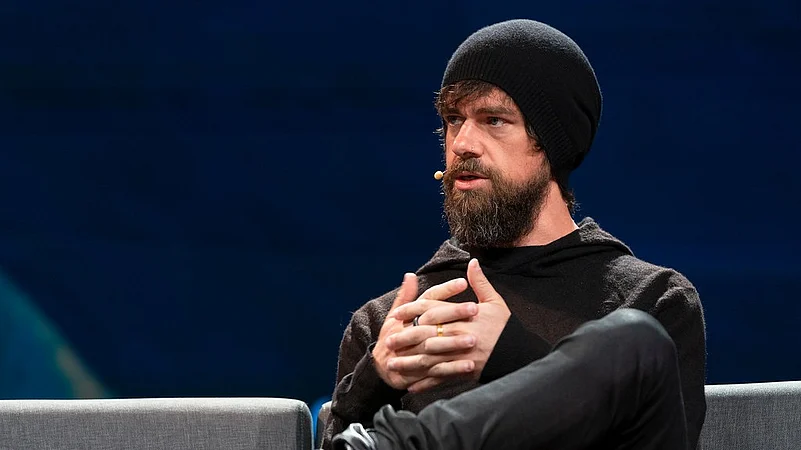

Jack Dorsey plans to cut nearly half of Block’s workforce, citing AI-driven changes in how companies operate.
The move comes amid growing concerns that artificial intelligence could impact large sections of white-collar jobs.
The Nasdaq-listed firm will lay off 4,000 employees from its total workforce of around 11,000.
Jack Dorsey on Thursday announced plans to cut nearly half of the workforce at his fintech firm Block, saying that ‘intelligence tools’ are enabling a new way of working that fundamentally changes what it means to build and run a company.
The announcement comes amid fears that artificial intelligence could impact large swathes of white-collar jobs.

1 September 2026
Get the latest issue of Outlook Business

At Nasdaq-listed Block, the company will be firing 4,000 employees out of its total workforce of 11,000. Following the announcement, shares of the company surged by up to 27% in post-market hours trading.



The layoffs were first announced in a shareholder letter on Thursday, after which CEO Dorsey shared the news on his handle on X. It also coincided with the company’s December quarter results, in which it posted a 24% year-on-year growth in its gross profit, driven by a 33% surge in its Cash App business. Block also runs Square and Tidal.
In the post-earnings analysts call, Dorsey said, “Something happened in December last year where the models just got an order of magnitude more capable and more intelligent.”
Advertisement
He claimed that at Block they had “a lot of duplications” that needed to be eliminated.
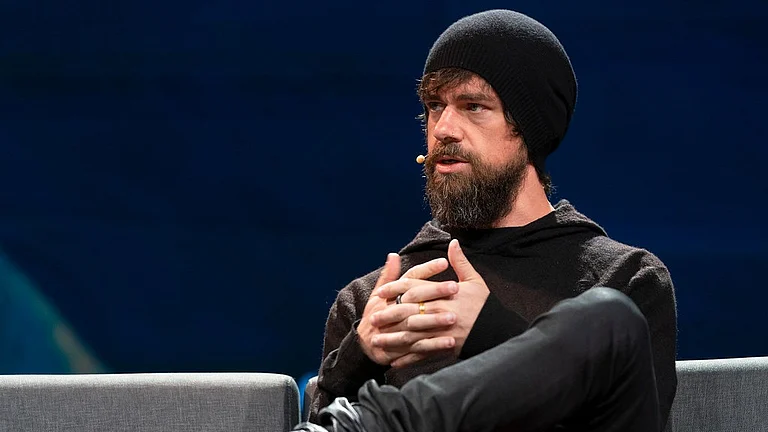
As for the employees being laid off, the former founder of Twitter said they will receive salary for 20 weeks plus one week per year of tenure, as well as equity vested through the end of May, six months of healthcare, corporate devices and $5,000 for transition. Employees outside the US will receive similar support.
Block, over the years, has laid off a large number of employees during its annual performance reviews.
But this time, Dorsey said he had two options: cut gradually over months or years as this shift plays out, or be honest about where the company stands and act on it now.
Advertisement
“I chose the latter. Repeated rounds of cuts are destructive to morale, to focus, and to the trust that customers and shareholders place in our ability to lead. I’d rather take a hard, clear action now and build from a position we believe in than manage a slow reduction of people towards the same outcome. A smaller company also gives us the space to grow our business the right way, on our own terms, instead of constantly reacting to market pressures,” he wrote on X.