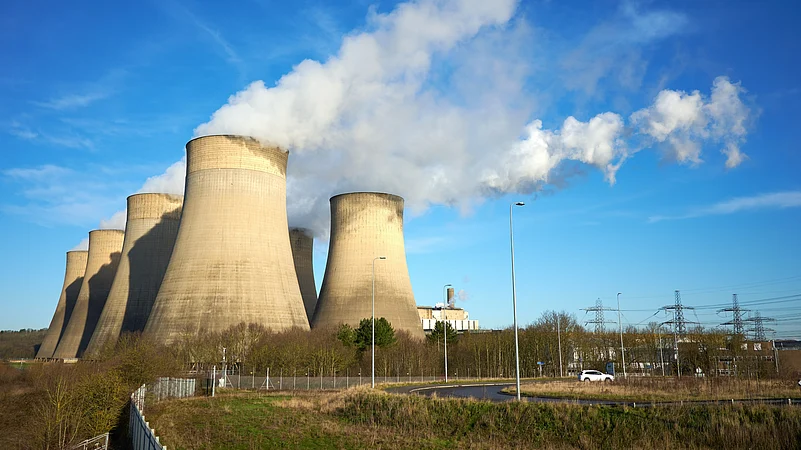

Eleven major Asian utilities incur $6.3bn annual losses from climate hazards.
Extreme heat and precipitation drive majority of projected $8.4bn 2050 losses.
Utilities, policymakers, investors urged to strengthen resilience, disclose and act.
A total of 11 major power-sector players in Asia are experiencing $6.3bn in annual losses from climate-related hazards, according to the analysis by the Asia Investor Group on Climate Change (AIGCC) and Morgan Stanley Capital International (MSCI) Institute.
The annual is expected to climb 33% to $8.4bn by 2050 under a medium-high warming trajectory6 without adaptation measures. The report further stated that chronic hazards of extreme heat and extreme precipitations are the dominant two hazards driving losses in the region, contributing 55% and 21% respectively to estimated losses by 2050. Acute risks such as flooding and tropical cyclones exhibit certain spatial patterns.

1 September 2026
Get the latest issue of Outlook Business

In addition to the direct hits to balance sheets, interruptions to power supply are expected to trigger billions more in lost revenue and economic damage across industries and households that depend on stable and affordable electricity.

Revealing “maturity gaps” in the level of preparedness among the utilities, the report stated that while there is acknowledgement of climate risks in the sector, most companies fail to convert that recognition into concrete action. Such actions could include quantifying the risks, allocating resources towards addressing those risks, and developing systemic solutions.
Advertisement
The report further shared the recommendations that the power-sector players, policymakers and investors can do to help curb incurring magnanimous losses on Asia’s energy companies and their customers. The report stated the utilities should quantify and disclose physical climate risks, coordinate with governments on resilience and embed adaptation into decarbonisation and capital plans with board oversight.
Policymakers and regulators can strengthen resilience disclosures, integrate utility risks into national adaptation plans and address systemic challenges through regional coordination. Institutional investors should strengthen resilience disclosures, integrate utility risks into national adaptation plans and address systemic challenges through regional coordination. Institutional investors should engage on adaptation governance, demand transparent climate-risk reporting and ensure companies’ risk assessments and investments reflect their vulnerabilities.
Advertisement
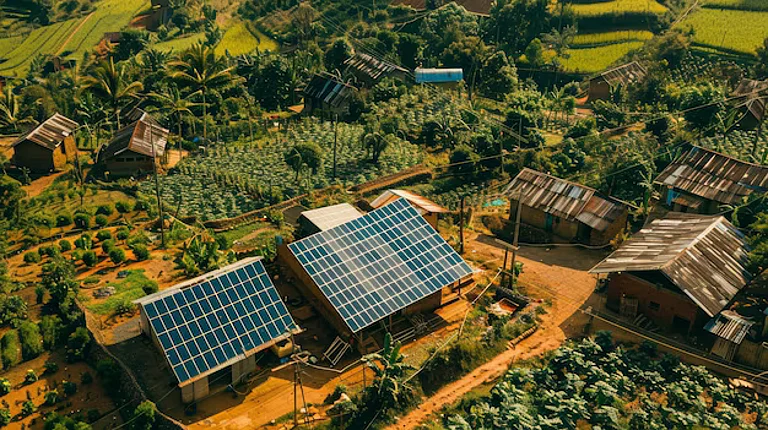
Rising Climate Risks
Climate-related financial losses in Asia’s power sector reflect global trends. According to a 2023 report published by the International Energy Agency (IEA), extreme weather events disrupt energy supply chains around the world.
Another report published by World Bank in 2025 also highlighted how climate change‑related extreme weather undermines energy infrastructure reliability, which can strain utilities’ operations and potentially raise costs for both power providers and consumers.