



For decades, Indians have been told that they are citizens of a nation destined for greatness. Governments change, economists revise forecasts, investment bankers update their slides and television studios reinvent their graphics, but the message is consistent. India is always on the verge of becoming a superpower. The arrival date merely shifts with every crisis.
The promise has become part of national life. It echoes through election rallies and corporate summits, WhatsApp forwards and prime-time debates. It comforts the middle class, inspires the poor and gives the wealthy another reason to speak of India as the future of the world economy. What, though, are the actual signs of a country becoming developed? That part is buried somewhere inside economic reports that few people read and even fewer understand.
Different global institutions have their own definitions. The World Bank prefers income thresholds. The IMF likes more sophisticated phrases involving productivity, institutional strength and integration with global markets. But at its most basic level, the health of an economy is reflected in the strength and credibility of its currency.

1 October 2026
Get the latest issue of Outlook Business

India, unfortunately, has spent much of its post-Independence journey struggling on that front.
The rupee's weakness has shaped the lives of Indians for decades. It has pushed generations to leave home and work in foreign lands so they can earn in stronger currencies and send money back to families surviving in a frail economy. In many ways, the dreams of Indian households and the stability of India’s external finances have both depended on remittances earned far away from home. The impact shows up in ordinary lives.
A weaker rupee makes imported goods expensive, raises the cost of essential services and places quality health care and medicines beyond the reach of a large section of Indians.
The ongoing crisis in West Asia has pushed India into another familiar phase of economic anxiety, one that threatens to dilute years of incremental progress made in lifting millions out of poverty. Every global disruption, whether caused by wars, oil prices, capital flight or the policy whims of powerful nations, event-ually finds its way into the Indian household through inflation and shrinking purchasing power.
Successive governments have tried to reassure citizens that the rupee's weakness is not a cause for alarm. Many economists argue that a cheaper currency is beneficial because it makes exports more competitive and helps transform India into a manufacturing powerhouse.
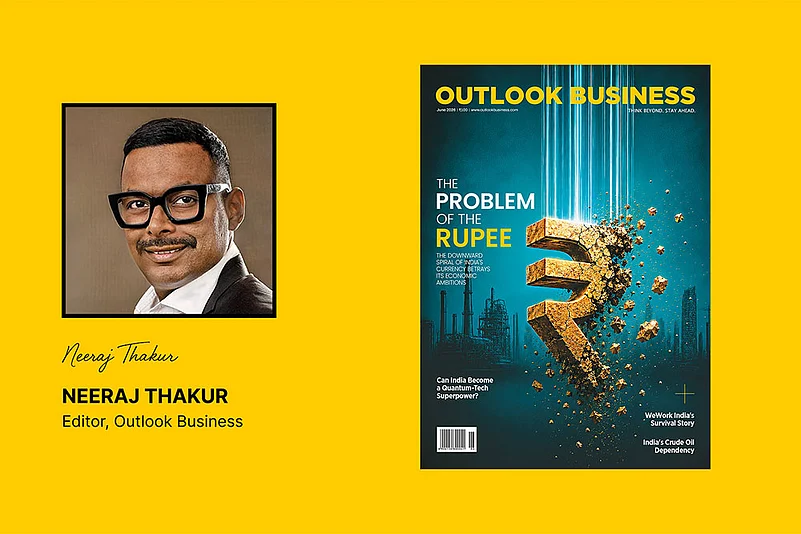
The truth, as our June cover story explores, lies somewhere beyond these familiar talking points. The rupee's vulnerability is rooted in a larger economic cycle that leaves India deeply exposed to developments far beyond its borders. The true test of a strong economy is not how it behaves during years of easy global growth, but how it withstands moments of global disorder.
That is where China offers an uncomfortable lesson. Despite tariff threats from US President Donald Trump and repeated attempts by the West to reduce dependence on Beijing, China has continued to hold its ground. Its manufacturing strength and control over critical supply chains allow it trade leverage with much of the world.
India’s ambition of becoming a developed nation by 2047 will ultimately depend on whether it can build similar economic depth and resilience.
Until then, the country must navigate global turbulence cautiously while using every available window of stability to strengthen the capacities needed to turn the promise of Viksit Bharat into something more than a recurring national slogan.



