COVER STORY
There seems to be an uncanny lull in the Indian start-up valley. It has been some time since the loud celebrations of funding and dizzy valuations mellowed.


There seems to be an uncanny lull in the Indian start-up valley. It has been some time since the loud celebrations of funding and dizzy valuations mellowed.


There seems to be an uncanny lull in the Indian start-up valley. It has been some time since the loud celebrations of funding and dizzy valuations mellowed.

Every time an Indian start-up hits headlines for wrong reasons, Sequoia Capital and its most famous fund manager Shailendra Singh are in the spotlight. Is it the doing of their rivals? Or, are there serious issues that the VC firm needs to address? Can Singh pull Sequoia out of troubled waters?

He answers emphatically when asked if rivals are out to malign him and Sequoia Capital. Stung by controversies in their portfolio companies, Shailendra Singh tells Outlook Business that the black sheep make less than 1% of its portfolio value and its business model is sound. He underlines that Brand Sequoia is intact

Rajan Anandan, managing director, Sequoia Capital, believes that no amount of oversight or audits can ensure proper governance at a company if there is a lack of commitment to the cause on part of the founders. However, what matters is the action taken when there is evidence of wilful wrongdoing. Edited excerpts:
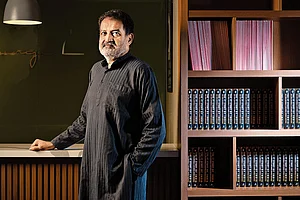
The recent blow-ups in many start-ups are a result of the founders’ vanity and their failure to understand the basic obligations of public shareholding

Corporate governance and its relevance at a start-up depend on the founder, according to Sanjeev Bikhchandani, co-founder of Info Edge, a pure play internet company. Both the credit for the success and accountability for failures in a start-up lie with the management. When investors trust a start-up enough to invest in it, wanting the latter to be honest and responsible with their money is a fair expectation, he tells Outlook Business
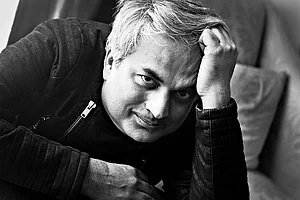
How Indian start-up founders turned the tables on shrewd Indian venture capitalists
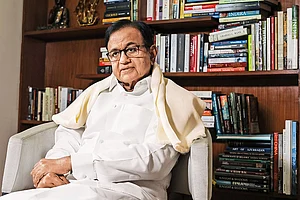
Finance minister Nirmala Sitharaman’s budget for 2023–24 may have promised further momentum to the economy through a push on infrastructure, but, according to the opposition, it has failed to address the needs of the poor and the middle class. Congress leader and former finance minister P. Chidambaram tells Pragatti Oberoi how the government’s claims on allocations for infra projects could be exaggerated and the budget could push the middle class away from saving money. Edited excerpts:

The government just announces progressive policies for women and leaves implementation and financials to the employer. What should have worked for women at workplace becomes a double disadvantage in tough times
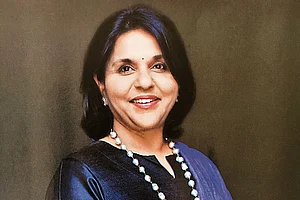
Addressing the challenges that women face in their career progression is not just a moral imperative but a necessity for growth. Gender inclusivity, reinforced by an empathetic leadership, can go a long way in helping reap the full benefits of a diverse workforce

Having women on board and promoting gender equality at workplaces is not only the right thing to do, but also leads to better business outcomes and a stronger economy. In an interview with Shailaja Tripathi, entrepreneur and mental health champion Neerja Birla, founder-cum-chairperson of the Aditya Birla Education Trust, which runs the MPower mental health awareness initiative, outlines the need to implement policies that encourage diversity and women’s employment in the workplace and talks about how the corporate sector can promote the culture of inclusivity. Edited excerpts:

From vegan condoms to bio-degradable dildos and organic lubes, the market for sexual wellness products is witnessing growing interest in green alternatives

Just like elder brother Mukesh Ambani, Anil Ambani started off on the solid ground prepared by their father Dhirubhai. However, hardly has any other family business seen such sharply contrasted trajectories as theirs. How did Anil Ambani lose the advantage? Nandini Vijayaraghavan traces the journeys of four well-known entrepreneurs whose businesses took off energetically but failed to retain the momentum and ended up struggling for survival

Priyanka Gill Co-founder, The Good Glamm Group & CEO, The Good Media Co.
There seems to be an uncanny lull in the Indian start-up valley. It has been some time since the loud celebrations of funding and dizzy valuations mellowed.
Every time an Indian start-up hits headlines for wrong reasons, Sequoia Capital and its most famous fund manager Shailendra Singh are in the spotlight. Is it the doing of their rivals? Or, are there serious issues that the VC firm needs to address? Can Singh pull Sequoia out of troubled waters?
He answers emphatically when asked if rivals are out to malign him and Sequoia Capital. Stung by controversies in their portfolio companies, Shailendra Singh tells Outlook Business that the black sheep make less than 1% of its portfolio value and its business model is sound. He underlines that Brand Sequoia is intact
Rajan Anandan, managing director, Sequoia Capital, believes that no amount of oversight or audits can ensure proper governance at a company if there is a lack of commitment to the cause on part of the founders. However, what matters is the action taken when there is evidence of wilful wrongdoing. Edited excerpts:
The recent blow-ups in many start-ups are a result of the founders’ vanity and their failure to understand the basic obligations of public shareholding
Corporate governance and its relevance at a start-up depend on the founder, according to Sanjeev Bikhchandani, co-founder of Info Edge, a pure play internet company. Both the credit for the success and accountability for failures in a start-up lie with the management. When investors trust a start-up enough to invest in it, wanting the latter to be honest and responsible with their money is a fair expectation, he tells Outlook Business
How Indian start-up founders turned the tables on shrewd Indian venture capitalists
Finance minister Nirmala Sitharaman’s budget for 2023–24 may have promised further momentum to the economy through a push on infrastructure, but, according to the opposition, it has failed to address the needs of the poor and the middle class. Congress leader and former finance minister P. Chidambaram tells Pragatti Oberoi how the government’s claims on allocations for infra projects could be exaggerated and the budget could push the middle class away from saving money. Edited excerpts:
The government just announces progressive policies for women and leaves implementation and financials to the employer. What should have worked for women at workplace becomes a double disadvantage in tough times
Addressing the challenges that women face in their career progression is not just a moral imperative but a necessity for growth. Gender inclusivity, reinforced by an empathetic leadership, can go a long way in helping reap the full benefits of a diverse workforce
Having women on board and promoting gender equality at workplaces is not only the right thing to do, but also leads to better business outcomes and a stronger economy. In an interview with Shailaja Tripathi, entrepreneur and mental health champion Neerja Birla, founder-cum-chairperson of the Aditya Birla Education Trust, which runs the MPower mental health awareness initiative, outlines the need to implement policies that encourage diversity and women’s employment in the workplace and talks about how the corporate sector can promote the culture of inclusivity. Edited excerpts:
From vegan condoms to bio-degradable dildos and organic lubes, the market for sexual wellness products is witnessing growing interest in green alternatives
Just like elder brother Mukesh Ambani, Anil Ambani started off on the solid ground prepared by their father Dhirubhai. However, hardly has any other family business seen such sharply contrasted trajectories as theirs. How did Anil Ambani lose the advantage? Nandini Vijayaraghavan traces the journeys of four well-known entrepreneurs whose businesses took off energetically but failed to retain the momentum and ended up struggling for survival
Priyanka Gill Co-founder, The Good Glamm Group & CEO, The Good Media Co.