COVER STORY
Mahatma Gandhi believed modern technology is “machinery with only consideration of profit”. His belief is likely to have inspired Charlie Chaplin to make Modern Times, say trivia lovers.

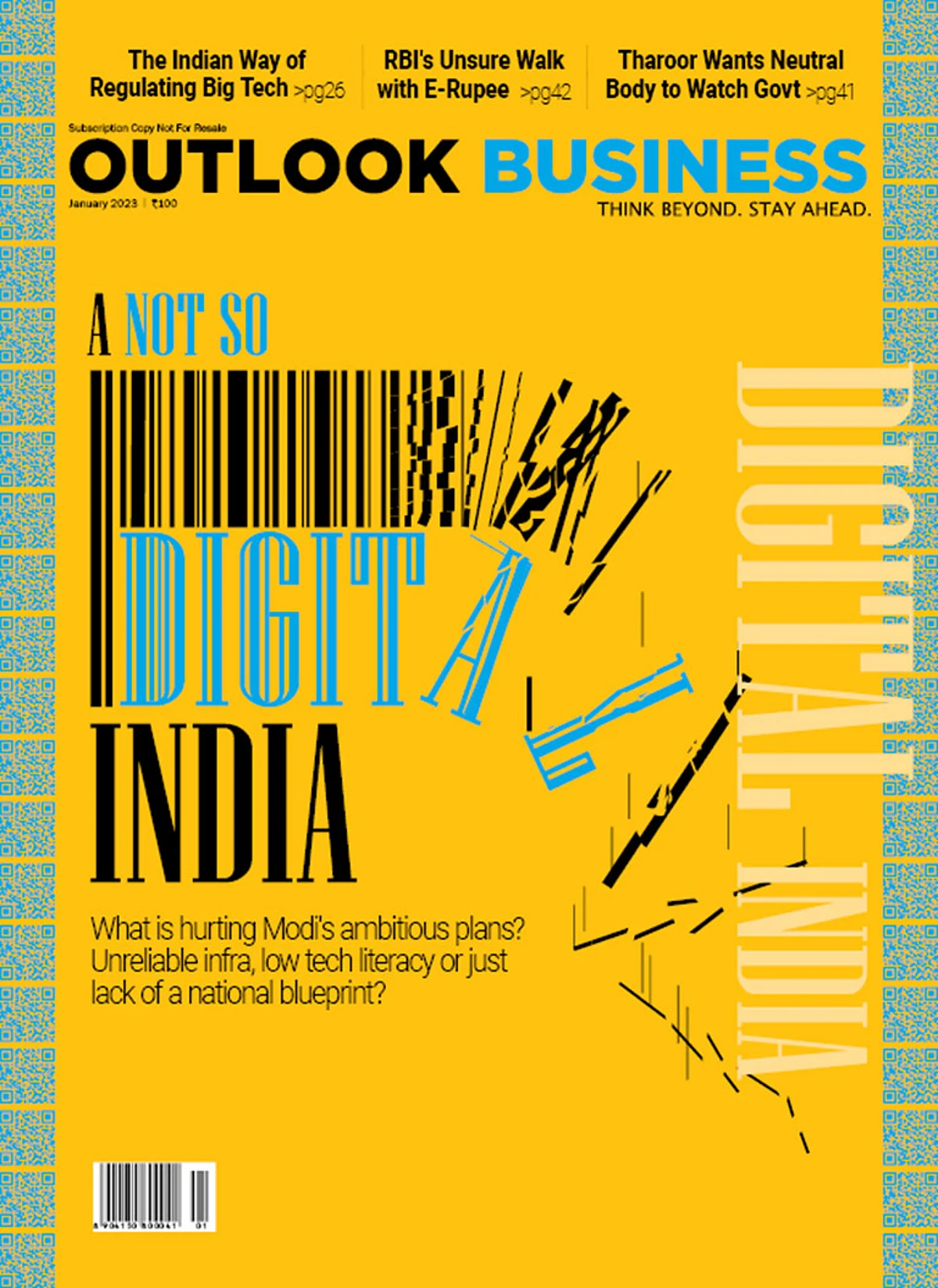
Mahatma Gandhi believed modern technology is “machinery with only consideration of profit”. His belief is likely to have inspired Charlie Chaplin to make Modern Times, say trivia lovers.


Mahatma Gandhi believed modern technology is “machinery with only consideration of profit”. His belief is likely to have inspired Charlie Chaplin to make Modern Times, say trivia lovers.

India is an aspirational digital state. It wants to belong to the connected world like a leader despite its limitations of being a low-middle-income economy, having a large number of poor people, large illiteracy levels and less-than-reliable telecom infrastructure. Will the government’s push from the top create a national digital blueprint or turn the country into Charlie Chaplin’s Feeding Machine?

India wants to overhaul the mechanism through which it governs the fast-evolving tech sector and reams of data government initiatives and private sector produce. With Prime Minister Modi’s desire to imprint his muscular persona on it, the balancing act lies in its details
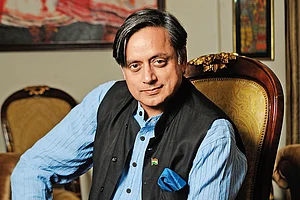
Prior to withdrawing it in August last year, the government had, in December 2021, referred the Personal Data Protection Bill, 2019—which was criticised for being in favour of the government—to a Joint Parliamentary Committee instead of sending it to the Parliamentary Standing Committee on Information Technology, which was then headed by Congress MP Shashi Tharoor.

The central bank’s discourse on CBDC is caught between its abhorrence for private digital currencies and FOMO on innovation in global financial order. Its cautious steps on e-rupee may conceptually sit well with a government that wants a digitised economy, but they put a question mark on the bank’s intent on the ground
The country’s digital journey started almost two decades ago. Over 100 unicorns later and consuming billions of dollars in VC money, Indian digital companies are still looking for viable profit routes. How big is the failure of India’s digital copycat start-ups?

Amid rising concerns over threat to privacy due to its surveillance approach, the government must up its game with more stringent and clear data protection laws if it wants to realise its ambition of a digital India

Once the blue-eyed babies cradled by investors, are digital payment providers ceding their leadership position to incumbents offering ancillary fintech services?

Government support, regulatory framework, widening scope and more opportunities are luring venture capital firms into investing in climate tech start-ups

To what extent does gender become a liability or a hurdle in the path to success? In her book, Anita Bhogle draws from experiences of women who made different career-related choices, from aggressively marching on to compromising on the job profile or giving it all up for the sake of family duties, to prepare a narrative on the challenges they face

While it is mountains calling during vacations, Purplle.com co-founder and CEO Manish Taneja gets his daily dose of relaxation from walking, when he leaves behind his gadgets and takes along just a pen and paper
Mahatma Gandhi believed modern technology is “machinery with only consideration of profit”. His belief is likely to have inspired Charlie Chaplin to make Modern Times, say trivia lovers.
India is an aspirational digital state. It wants to belong to the connected world like a leader despite its limitations of being a low-middle-income economy, having a large number of poor people, large illiteracy levels and less-than-reliable telecom infrastructure. Will the government’s push from the top create a national digital blueprint or turn the country into Charlie Chaplin’s Feeding Machine?
India wants to overhaul the mechanism through which it governs the fast-evolving tech sector and reams of data government initiatives and private sector produce. With Prime Minister Modi’s desire to imprint his muscular persona on it, the balancing act lies in its details
Prior to withdrawing it in August last year, the government had, in December 2021, referred the Personal Data Protection Bill, 2019—which was criticised for being in favour of the government—to a Joint Parliamentary Committee instead of sending it to the Parliamentary Standing Committee on Information Technology, which was then headed by Congress MP Shashi Tharoor.
The central bank’s discourse on CBDC is caught between its abhorrence for private digital currencies and FOMO on innovation in global financial order. Its cautious steps on e-rupee may conceptually sit well with a government that wants a digitised economy, but they put a question mark on the bank’s intent on the ground
The country’s digital journey started almost two decades ago. Over 100 unicorns later and consuming billions of dollars in VC money, Indian digital companies are still looking for viable profit routes. How big is the failure of India’s digital copycat start-ups?
Amid rising concerns over threat to privacy due to its surveillance approach, the government must up its game with more stringent and clear data protection laws if it wants to realise its ambition of a digital India
Once the blue-eyed babies cradled by investors, are digital payment providers ceding their leadership position to incumbents offering ancillary fintech services?
Government support, regulatory framework, widening scope and more opportunities are luring venture capital firms into investing in climate tech start-ups
To what extent does gender become a liability or a hurdle in the path to success? In her book, Anita Bhogle draws from experiences of women who made different career-related choices, from aggressively marching on to compromising on the job profile or giving it all up for the sake of family duties, to prepare a narrative on the challenges they face
While it is mountains calling during vacations, Purplle.com co-founder and CEO Manish Taneja gets his daily dose of relaxation from walking, when he leaves behind his gadgets and takes along just a pen and paper