UNCTAD forecasts global economic growth slowing from 2.9% to 2.6% during 2026.
Middle East conflict disrupted energy markets, shipping routes and increased global inflationary pressures.
Developing economies face currency depreciation, capital flight and rising sovereign borrowing costs globally.
Global Growth to Slow to 2.6% Amid West Asia Crisis, Says Report
UNCTAD warns geopolitical tensions and energy shocks are slowing the global economic recovery

Global economic slowdown amid geopolitical tensions and rising energy prices.
Summary
Advertisement
The global economy entered 2026 on a firm footing following 2.9% growth in 2025, but is now facing significant deceleration, according to a new report from the United Nations Conference on Trade and Development (UNCTAD). The report further predicted that global growth will slow to 2.6% this year.
This shift is primarily attributed to heightened geopolitical risks that have surpassed trade policy uncertainty as the main global concern. Military escalation in the West Asia starting in late February 2026 has disrupted energy markets and shipping routes.
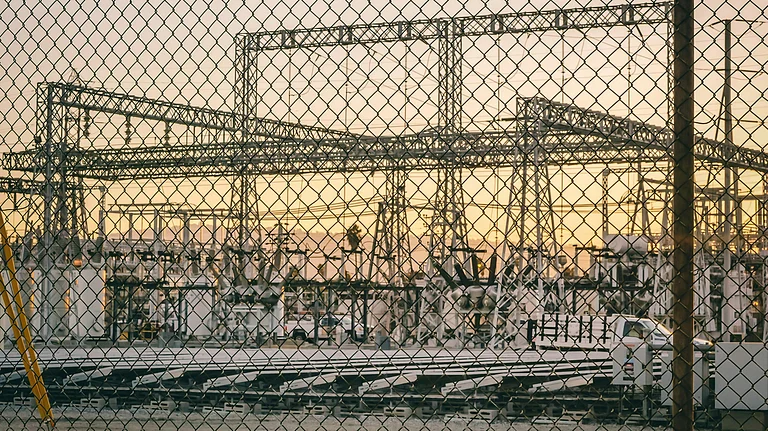
Crude oil prices surged by more than 60%, while gas prices more than doubled shortly after the conflict began. These price increases exert macroeconomic pressure on both developed and developing regions. Net energy importers in the European Union face higher import bills, while many developing nations struggle with inelastic demand for fuel, food, and fertilisers.
Advertisement
These countries have implemented subsidies or price caps to manage costs. In the financial sector, investors are demanding higher yields on sovereign bonds, reflecting a flight to safety. This volatility threatens the stability of global markets this current year.

Global Trade Dynamism Fades
While world merchandise trade showed early strength in 2026, UNCTAD expects this momentum to weaken. Growth in trade is projected to fall from 4.7% in 2025 to between 1.5 and 2.5% in 2026. Much of the recent expansion was concentrated in technology sectors, specifically hardware related to artificial intelligence (AI).
Products like servers and semiconductors recorded high growth, but traditional sectors such as textiles and basic consumer goods saw only modest gains. Developing countries are experiencing widespread currency depreciation and potential capital flight. Currencies in the Americas, Africa and Asia have lost value against the dollar as investors withdraw from riskier assets. Higher borrowing costs and debt sustainability risks are growing concerns for frontier-market economies. Regional growth varies, with China projected to grow at 4.6% and India at 6.5%.
Advertisement
Amid these challenges, UNCTAD report emphasised that sustained investment in renewable energy is essential for long-term stability. Although renewables are increasingly cost-competitive, global investment remains unevenly distributed. Multilateral systems must prioritise development needs to protect vulnerable nations during these turbulent times for the current world economy.