The high-level discussions aim to secure an interim trade pact before the July 24 deadline linked to the expiry of a temporary US tariff regime.
India seeks a competitive tariff advantage for its exporters over rival markets like Vietnam, Bangladesh, and ASEAN nations.
New Delhi has proposed market access concessions, including tariff cuts on US agricultural products, and plans to purchase up to $500 billion in US goods over five years.
Goyal-Greer Trade Talks Begin Today: What’s on the Agenda as India Chases a Landmark US Deal?
Union Commerce Minister Piyush Goyal and US Trade Representative Jamieson Greer will hold high-level talks in New Delhi to finalise the first phase of a bilateral trade agreement

X/@USTradeRep
Summary
Advertisement
Union Commerce and Industry Minister Piyush Goyal and US Trade Representative Jamieson Greer will hold high-level talks in New Delhi within 48 hours to finalise the first phase of a bilateral trade agreement (BTA).
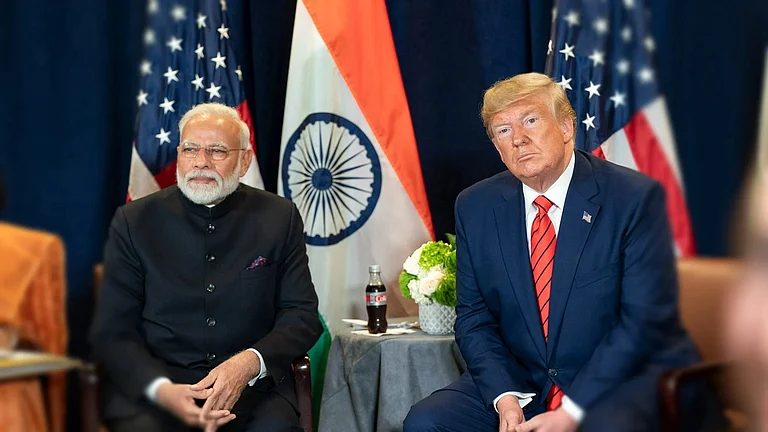
The discussions aim to secure the interim trade pact ahead of a July 24 deadline linked to the expiry of a US tariff regime. The meeting follows chief negotiator-level discussions held earlier this month and a direct conversation between Prime Minister Narendra Modi and US President Donald Trump at the G7 Summit in France.
Negotiations are in the final stages, Foreign Secretary Vikram Misri and Commerce Secretary Rajesh Agrawal said. The upcoming dialogue between Goyal and Greer will focus entirely on giving final shape to the framework agreement. Earlier this month, Goyal said both sides were moving towards closing all outstanding issues and could sign the first phase of the agreement by the middle of next month.
Advertisement
Securing Tariff Advantages
India seeks a competitive tariff advantage for its exporters over rival markets, including Vietnam, Bangladesh, Indonesia and other ASEAN nations, PTI reported. Under an earlier proposed framework, Indian exports faced an 18% tariff while competing nations faced rates ranging from 19% to 20%.
Currently, all countries are subject to a flat additional 10% levy. Washington imposed this temporary 10% tariff on imports for 150 days, which eliminated India's relative advantage.
The temporary arrangement expires on July 24, creating urgency for both governments to establish a new tariff structure. Goyal recently said he would be "the happiest person" if the two sides sign the first tranche of the agreement before the July 24 deadline.
Overcoming Trade Hurdles
The negotiations coincide with two ongoing Section 301 investigations under the US Trade Act of 1974, which examine whether India's policies unfairly affect American businesses. Goyal dismissed concerns that the probe would derail the talks, saying New Delhi will address any issues that arise.
Advertisement
India has proposed broad market access concessions, including tariff cuts on US agricultural and industrial products such as tree nuts, fruits, soybean oil, wine and spirits. New Delhi also offered to purchase up to $500 billion in US energy, aircraft, technology products, precious metals and coking coal over the next five years.
Trade figures for the 2026 financial year underscore the economic stakes. India's exports to the US stood at $87.3 billion against imports of $52.9 billion, resulting in a trade surplus of $34.4 billion.