Iran–Israel conflict fuels crude oil surge, increasing polymer prices for bottles.
Smaller manufacturers hike distributor rates; retail impact expected in coming days.
Packaging materials, caps, labels and boxes face unprecedented cost escalation.
Iran–Israel War Oil Surge Pushes Up Bottled Water Costs in India—Here’s Why
Rising oil prices from geopolitical tensions drive up packaging costs for bottled water

Bottled water at a production facility
Summary
Advertisement
Surging oil prices related to the Iran war are beginning to disrupt India’s packaged drinking water industry, pushing up the cost of plastic bottles, caps and packaging just weeks before peak summer demand, according to Reuters.
The industry, estimated to be nearly $5bn, is facing pressure in the market just before the peak summer season.
One of the world’s fastest growing bottled water markets is seeing some manufacturers hike prices for distributors, as supply disruptions linked to the war fuel higher costs in everything from plastic bottles to caps, labels and cardboard boxes.
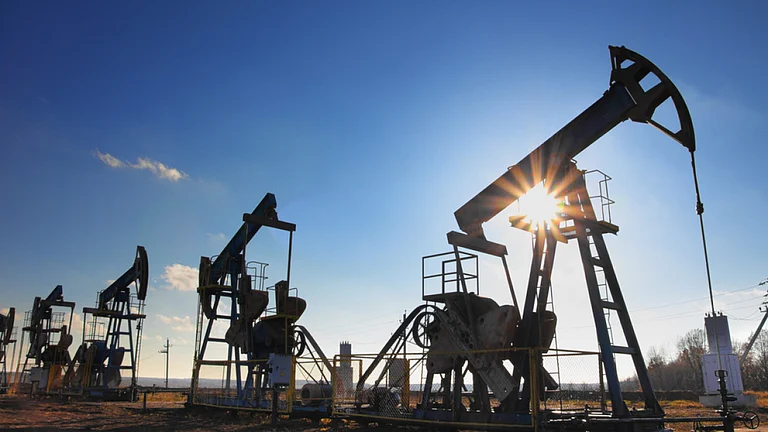
Though retail prices are yet to feel the heat and bigger companies are absorbing the pain, about 2,000 smaller bottled water makers have increased rates for their resellers by around 1 rupee per bottle, a 5% hike, which will rise by a further 10% in coming days, reported Reuters citing Federation of All India Packaged Drinking Water Manufacturers’ Association.
Advertisement
Consumers usually pay less than ₹20 for one-litre bottle. "There is chaos and within the next 4-5 days, this will start impacting customer prices," Apurva Doshi, the federation's secretary general told Reuters.
The price of the materials used to make plastic bottles has gone up by 50%, to ₹170 per kilogram. The price of the caps has more than doubled, to ₹0.45 each. Letters from the industry showed that even corrugated boxes, labels and tape are costing a lot more.

Packaging Cost Pressures Mount
Petroleum-based plastics form the backbone of India’s bottled water packaging supply chain. Most plastic bottles are made from polyethylene terephthalate (PET), a polymer derived from crude oil and natural gas feedstocks. When global oil prices rise, the cost of petrochemical derivatives used in packaging materials typically increases as well. On March 13, Reuters reported that polymer prices had already risen in response to higher oil prices.
Advertisement
According to a 2018 International Energy Agency (IEA) report, petrochemicals are set to account for more than a third of the growth in world oil demand to 2030, and nearly half the growth to 2050, adding nearly 7 million barrels of oil a day by then. They are also poised to consume an additional 56 billion cubic metres (bcm) of natural gas by 2030, and 83 bcm by 2050.
The IEA report also outlined that fluctuations in crude oil prices often ripple through downstream industries such as plastics and packaging. Industry analyses by the Plastics Industry Association also note that resin prices tend to move in tandem with energy costs, affecting packaging-intensive sectors like beverages and bottled water.