OMCs may raise petrol and diesel prices after prolonged price freeze.
Retail fuel losses widen sharply as crude remains above $100 per barrel.
Government officials indicate possible ₹2–4 per litre hike under consideration.
Fuel Price Hike Likely as OMC Losses Deepen, Crude Prices Stay Elevated
Fuel price hike likely as OMC losses mount amid elevated global crude

Fuel pump nozzle dispensing petrol amid rising global crude oil prices
Summary
Advertisement
State-run fuel retailers may raise petrol and diesel prices in the coming days to offset mounting losses from selling fuel below cost, government officials said, signaling a possible end to the prolonged price freeze despite Brent crude nearly doubling since the start of the war in West Asia.
In March, Petroleum and Natural Gas Minister Hardeep Singh Puri had said that OMCs were losing around ₹24 per litre on petrol and ₹30 per litre on diesel, as retail prices remained unchanged despite crude oil prices crossing $100 per barrel.
The possible hike comes as global crude prices remain elevated, with Brent crude hovering around $108 per barrel. Retail petrol and diesel prices in India have largely remained unchanged since early April 2022, eroding marketing margins and adding to the financial strain on OMC balance sheets.
The prolonged price freeze has been a crucial factor behind the mounting losses for oil marketing companies.
Advertisement
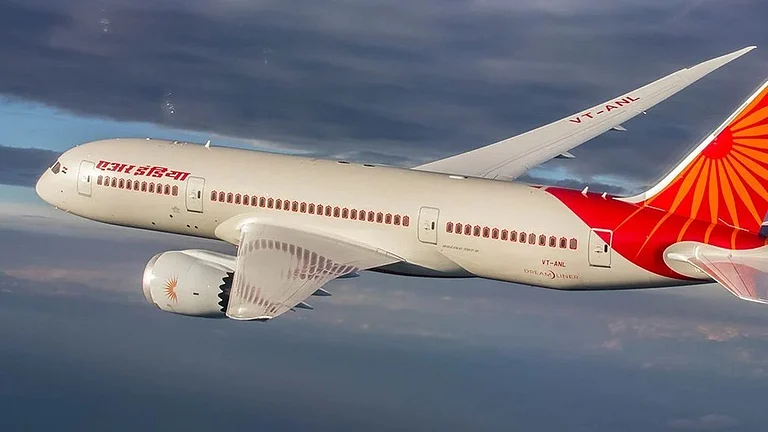
India Fuel Price Freeze Policy
According to The Economic Times, the fuel price freeze policy in India involves state-owned oil marketing companies (OMCs) keeping retail petrol, diesel and ATF prices stable despite volatile, high global crude oil prices, effective since early April 2022.
This policy, designed to control inflation and protect consumer purchasing power, creates significant under-recoveries (losses) for OMCs reportedly ₹18 per litre on petrol and ₹35 per litre on diesel by April 2026, forcing them to pay discounted rates to refineries.
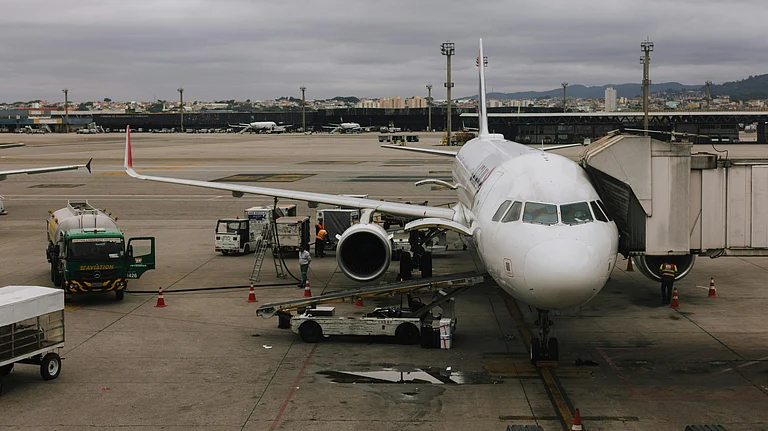
Possible Fuel Price Hike
Citing a senior government official, Moneycontrol reported that petrol and diesel prices in India could see an increase soon, with a possible hike of ₹2–4 per litre amid ongoing supply constraints and rising cost pressures.
Crude oil prices have a direct impact on fuel prices in India, which imports over 85% of its crude oil requirements.
Advertisement
As a globally traded commodity, crude oil prices are influenced by demand-supply dynamics, geopolitical developments and expectations around production and inventories, all of which feed into domestic fuel pricing.
Fuel Price Decision Authority
The oil marketing companies determine the daily fuel prices, which are then implemented across their fuel stations across the country.
Oil Marketing Companies (OMCs) such as Bharat Petroleum Corporation Ltd and Hindustan Petroleum Corporation Ltd play a central role in the daily revision of petrol prices in India.