Air India group accounted for nearly 40% of defects between Jan 2023 and June 2026
Air India’s defects rose from 167 (2023) to 398 (2025), more than doubling in two years
The data was shared by Minister of State for Civil Aviation Murlidhar Mohol a day before the major turbulence incident
Air India Leads in Significant Aircraft Defects Since 2023: Govt Data
Air India and Air India Express together recorded 963 of the 2,420 significant defects reported between January 2023 and June 2026. Air India alone accounted for 844 defects, or nearly 35% of all such cases during the period

Air India
Summary
Advertisement
The Air India group accounted for nearly 40% of all “significant defects” reported across Indian airlines over the past three and a half years, according to data shared by the government in Parliament. Air India and Air India Express together recorded 963 of the 2,420 significant defects reported between January 2023 and June 2026, accounting for 39.8% of the industry-wide total. Air India alone accounted for 844 defects, or nearly 35% of all such cases during the period.
The data also shows a sharp rise in significant defects involving Air India through 2025. The airline recorded 167 defects in 2023, rising to 233 in 2024 and 398 in 2025—more than double in just two years. Air India Express, reported separately in the data, recorded 9 defects in 2024 and 78 in 2025, indicating a steep increase as well.
In contrast, IndiGo, India’s largest carrier, recorded 306 significant defects between January 2023 and June 2026, accounting for about 12.6% of the total. Smaller rival Akasa Air accounted for about 31% of the total defects in the same period.
Advertisement
In the first six months of this year, Air India reported 46 significant defects and Air India Express 53, taking the group total to 99, or about 28% of the 352 defects reported across airlines during the period. Akasa Air recorded the highest number at 152, while IndiGo reported 47.
The information was shared by Minister of State for Civil Aviation Murlidhar Mohol in a written response to the Rajya Sabha on Aug 3, a day before an Air India flight from Phuket to Delhi encountered severe turbulence, injuring 17 people, including crew members.
Mohol was responding to a query by CPI(M) member John Brittas on the number and details of safety violations and technical defects identified in domestic and international flight operations over the past three years. The minister did not provide a breakdown of the nature of significant defects reported by individual airlines.
On Tuesday’s incident, the Tata Group airline said that "Air India flight AI2379 operating from Phuket to Delhi experienced a sudden loss of altitude during cruise." The airline also said it is fully cooperating with the investigation, and the aircraft manufacturer has also been notified.
Advertisement
“Air India’s foremost priority remains the safety and well-being of its passengers and crew. We will continue to support those affected and their families and will work closely with the relevant authorities throughout the course of the investigation,” a spokesperson for the airline said.
The Civil Aviation Ministry on Tuesday evening said that the aircraft involved has been moved to a hangar, and the Flight Data Recorder and Cockpit Voice Recorder have been secured for detailed examination.
“DGCA has initiated a detailed investigation into the occurrence. The Ministry of Civil Aviation and DGCA are closely monitoring the situation. Passenger safety remains the highest priority, and all necessary measures are being taken,” it added.
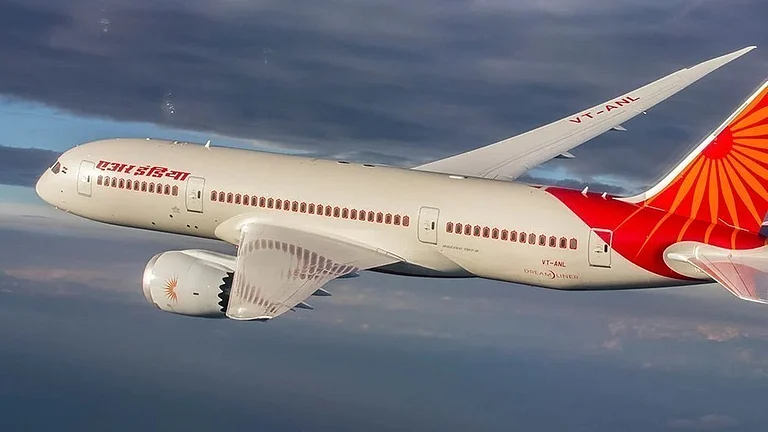
Since its acquisition by the Tata Group in 2022, Air India has faced multiple issues related to passenger safety. The airline, which was acquired for $2.4 billion, has seen a major crash, repeated scrutiny from aviation regulator DGCA, and financial penalties.
Advertisement
Air India currently operates a fleet of 191 aircraft and has placed orders for more than 500 planes, with an estimated cost of up to $80 billion.
Reports suggest that technical incidents involving its flights have also risen. A Reuters report from February 2026 said that in January 2026, Air India logged 1.09 technical incidents per 1,000 flights, up sharply from 0.26 in December 2024, a more than fourfold increase. The report, citing internal company records, noted that these defects included both Airbus and Boeing aircraft, with multiple cases of engine oil and fuel leaks. It also highlighted issues such as engine stall warnings, flight control malfunctions, and hydraulic system failures, pointing to a broader pattern of operational concerns.
Last month, Tata Group Chairman N. Chandrasekaran had said Air India faced three major external headwinds in FY26: airspace closures, fuel price spikes driven by the West Asia conflict, and foreign exchange volatility.
Advertisement
“The crash of AI171 made it the most challenging year for Air India,” he said in Tata Sons’ annual report. He added that the airline’s transformation could take another five to 10 years, citing prolonged supply chain disruptions, the need to overhaul legacy systems, culture and fleet, and the requirement to build a large pool of technical and aviation professionals. Air India reported a net loss of ₹22,238 crore in FY26, its highest-ever loss.