PM Modi's Norway visit will focus on energy, trade and strategic ties.
India and Norway may sign 20+ MoUs across energy and technology sectors.
Trade, investments and geopolitical issues will dominate India-Nordic Summit discussions.
PM Modi's Norway Agenda: Energy Security, Trade Expansion And Global Risks
India and Norway expected to sign multiple agreements across energy, health, digital infrastructure and space as leaders also discuss trade, investments and geopolitical challenges

PM Modi X
Summary
Advertisement
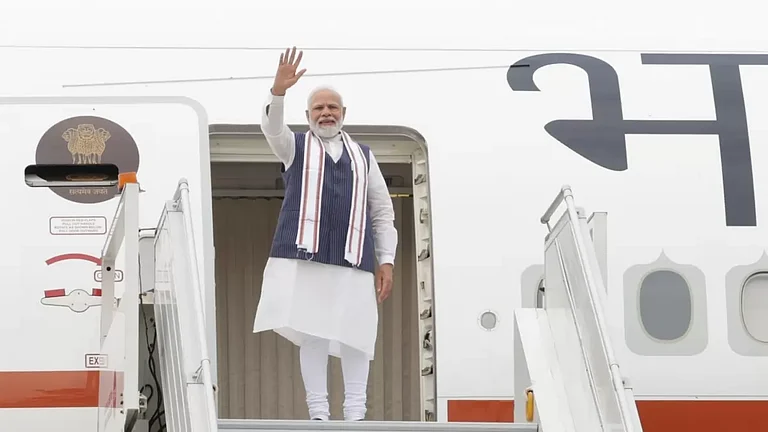
Prime Minister Narendra Modi will arrive in Norway on Monday for the first bilateral visit by an Indian Prime Minister to the Nordic nation, with energy cooperation, trade expansion and a broad set of agreements expected to dominate discussions amid an evolving global geopolitical and economic landscape.
The visit comes at a time when the world is dealing with disruptions caused by the Russia-Ukraine war, the conflict in West Asia, energy market volatility and broader supply chain concerns. Against this backdrop, India and Norway are expected to deepen economic and strategic ties while exploring new opportunities across sectors.
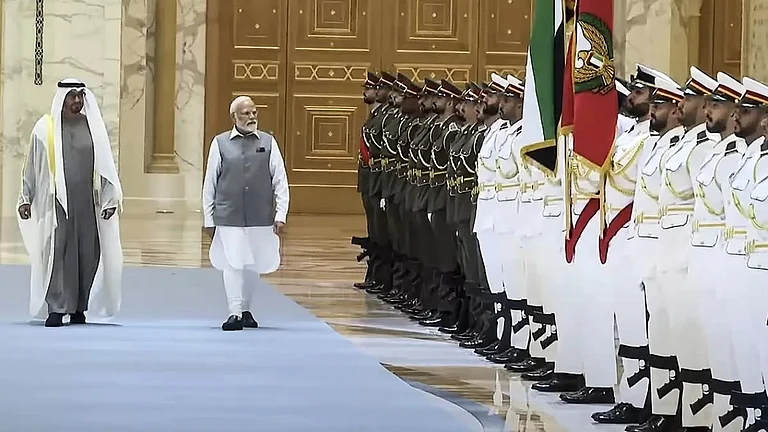
During the visit, Modi is scheduled to meet King Harald V and Queen Sonja of Norway and hold bilateral talks with Norwegian Prime Minister Jonas Gahr Støre. The two leaders will also jointly address the India-Norway Business and Research Summit.
The bilateral talks are expected to review progress in India-Norway relations and identify fresh opportunities for cooperation in trade, investments, clean energy, green technologies, maritime sectors and the blue economy.
Advertisement
Energy, Business Deals In Focus
India and Norway are expected to announce three government-to-government memorandums of understanding in health cooperation, digital infrastructure and space collaboration. In addition, at least 18 agreements between businesses are expected during the visit, many linked to the energy sector.
Energy cooperation has emerged as a major pillar of bilateral engagement as India seeks diversified and reliable energy sources. Norway, among the world's largest oil and gas exporters, has become an increasingly important partner in India's energy security strategy.
According to a report by The Hindu, Norwegian Ambassador to India May-Elin Stener said both countries are discussing expanding cooperation in the energy sector and several business-to-business agreements are expected.
"We are discussing more and more what we can do together on energy, and we are expecting several business-to-business MoUs on the energy side," Stener told The Hindu.
She also pointed to a large LNG consignment delivered to India recently under a 15-year agreement with Norwegian energy giant Equinor, which is also expected to support fertiliser production.
Advertisement
TEPA And Investments On Agenda
Modi's discussions with Støre are also expected to review progress on the India-EFTA Trade and Economic Partnership Agreement (TEPA), which came into force in October 2025.
The agreement covers Iceland, Liechtenstein, Norway and Switzerland and is expected to play an important role in boosting trade and investment opportunities.
India and Norway's bilateral trade currently stands at around $2.73 billion. However, both governments believe economic engagement remains significantly below potential.
India is also expected to push for greater investments from Norway's Government Pension Fund, among the world's largest sovereign wealth funds.
According to Additional Secretary (North Europe) Puja Kapur, the fund currently has investments worth nearly $28 billion in Indian capital markets and discussions are underway to expand this further.
Government data suggests over 700 Nordic companies currently operate in India, while around 150 Indian firms maintain a presence in Nordic countries. Experts believe trade between India and Nordic nations, currently around $19 billion, has substantial room for expansion.
Advertisement
Nordic Summit, Geopolitics In Spotlight
The visit will also include the third India-Nordic Summit, bringing together leaders from Norway, Sweden, Finland, Iceland and Denmark.
The summit had earlier been cancelled following the Pahalgam terror attack and the subsequent India-Pakistan conflict.
Apart from economic matters, geopolitical developments are expected to dominate discussions. Issues including the Russia-Ukraine war, conflicts involving Iran and Gaza and broader global economic challenges are likely to be discussed in both bilateral and multilateral meetings.
Ambassador Stener said Nordic nations are particularly interested in engaging with India on geopolitical developments, climate cooperation and democratic partnerships.
"The world has changed a lot since the last Nordic-India Summit," she said. "All five Nordic countries are looking forward to discussing geopolitical issues with India."
The timing of the visit has also drawn attention because of uncertainty surrounding India's energy imports after the expiry of US sanctions waivers on Russian oil, an issue likely to remain closely watched during the visit.
Advertisement