India lost 160bn work hours in 2021 due to extreme heat exposure.
Heatwaves increase cardiovascular risks, preterm births and maternal health complications.
Vulnerable groups, including women, children and outdoor workers, are most affected.
Heatwaves Cost India 160 Bn Work Hours, Raise Health Risks, Says Report
Heatwaves cost India billions of work hours while threatening public health

Workers in fields struggling under intense heatwaves across rural India
Summary
Advertisement
India lost an estimated 160bn labour hours to heat exposure in 2021, equivalent to 5.4% of its GDP, according to a report published by ClimateRISE Alliance on April 8.
It also revealed that heatwaves were linked to an 11.7% increase in cardiovascular-related death risk, a concern in India where heart disease already accounts for around 28% to 30% of all deaths.
The report, 'Under the Weather: India's Climate-Health Intersections and Pathways to Resilience', was released on Wednesday by ClimateRISE Alliance, a collaborative platform that works towards building climate resilience, in collaboration with Dasra, a strategic philanthropic support organisation.

"Rising heat is also emerging as a significant maternal health concern. Over the last five years, pregnant women in India experienced an average of six additional days of dangerously high temperatures each year, while heatwaves are associated with a 16% increase in the odds of preterm birth, alongside links to stillbirths and newborn hospitalisation," said the analysis.
Advertisement
It also highlighted that climate impacts interact with existing inequities and disproportionately affect those who are already vulnerable, including women, children, informal workers, rural communities and those with weaker access to healthcare.
"In this sense, climate stress acts as a multiplier, deepening existing burdens rather than creating entirely separate ones," added the analysis.
The findings indicate that to tackle climate impacts in India, there is a need to view climate action, public health preparedness and resilience-building together.
An integrated action can generate co-benefits across systems, improving health outcomes while also strengthening productivity, preparedness and community resilience, according to the report.
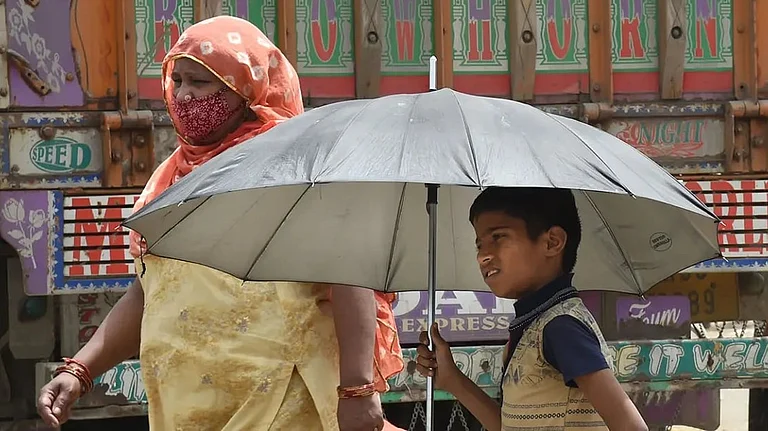
Heat and Health Risks
Rising temperatures are increasingly being recognised as a major public health threat, particularly in countries like India. According to a report by the World Health Organization (WHO), heat is the leading cause of weather-related deaths and can exacerbate underlying illnesses including cardiovascular disease, diabetes, mental health, asthma and can increase the risk of infectious diseases.
Advertisement
The report further outlined that heatstroke is a medical emergency with a high-case fatality rate. Prolonged exposure to extreme heat also reduces labour productivity, especially in outdoor sectors such as agriculture and construction.
A 2019 report by the International Labour Organization (ILO) projected that heat stress could lead to significant working hour losses globally, with countries in South Asia among the most affected. The ILO reported that heat stress will cause global productivity losses equivalent to 80mn full-time jobs by 2030, totaling $2.4trn in economic losses. South Asia and Western Africa are expected to be hardest hit, potentially losing approximately 5% of their working hours by 2030, with agriculture and construction sectors facing the highest risks.
The ILO report also recommended that focusing on vulnerable groups of workers and on the countries most affected by heat stress would help to identify specific priority actions that should be undertaken by governments and by employers’ and workers’ organisations.
Advertisement
(With inputs from PTI.)