Farmer groups announce nationwide protests against proposed India–US trade deal
Farmer groups back February 12 strike opposing labour codes and trade deals
SKM terms interim trade framework surrender, seeks Piyush Goyal’s resignation and warns of intensified protests
Farmers Plan Nationwide Protests on February 12; Key Demands Explained
Farmer groups warn of nationwide protests, backing a February 12 strike as concerns grow over agriculture and dairy under the India–US trade framework

Summary
Advertisement
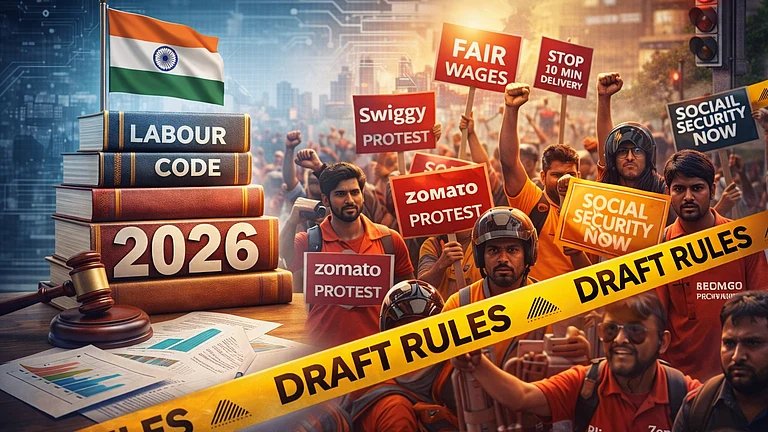
Several farmer organisations on Saturday announced nationwide protests against the proposed India–United States trade deal, intensifying opposition from the farm sector. The Samyukt Kisan Morcha (SKM), its non-political faction and the All India Kisan Sabha (AIKS) said they would mobilise farmers across states to resist what they see as a threat to agriculture.
The groups also extended support to the general strike called by central trade unions on February 12. The strike targets labour codes and trade agreements, with farmer bodies urging political parties, unions and mass organisations to join the protest and widen participation.
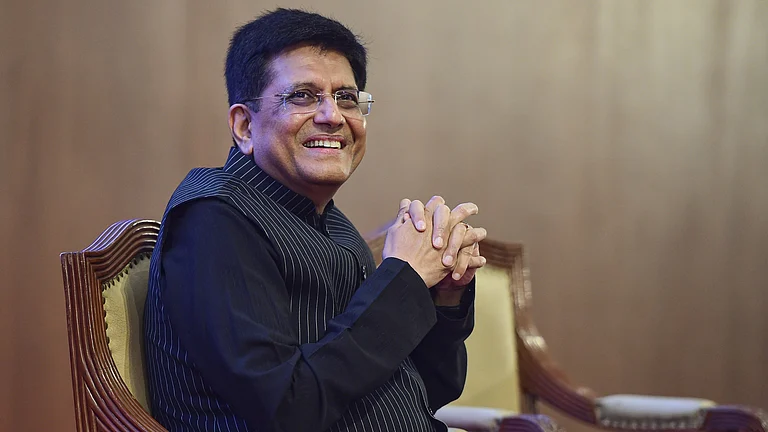
In its statement, the Samyukt Kisan Morcha described the interim trade agreement framework as a “total surrender” of Indian agriculture to American multinational corporations. It demanded the immediate resignation of Union Commerce Minister Piyush Goyal and warned of intensified resistance if the deal moves forward.
Advertisement
What Does the Deal Propose?
The protests come after India and the United States announced a framework for an interim trade agreement focused on cutting tariffs on a select list of goods. The aim is to increase trade between the two countries in the short term.
Under the plan, the United States will ease duties on Indian exports, while India may reduce tariffs on some American industrial and agricultural products. Farmer groups say this could allow cheaper imports into Indian markets and put more pressure on struggling farm incomes.
Why Are Farmers Protesting?
The SKM said the framework goes against the government’s earlier claims that agriculture and dairy would remain outside trade deals. It warned of nationwide protests if the agreement is signed, saying farmers could face tough competition from cheaper imports.
The non-political faction of the SKM said it would soon hold a meeting to finalise plans for large-scale demonstrations. Farmer leader Jagjit Singh Dallewal said the commerce minister has publicly claimed farm and dairy sectors will remain protected, but the joint India–US statement tells a different story.
Advertisement
Dallewal said India has agreed to discuss and resolve non-tariff barriers related to American agricultural and food products. He warned that opening Indian markets to United States farm goods would result in major losses for domestic farmers already facing rising costs and unstable incomes.
All India Kisan Sabha leader Krishna Prasad said the agreement could hurt both agriculture and dairy sectors. He flagged the possibility of imports such as dried distillers’ grains, red sorghum used as animal feed and soybean oil entering Indian markets at competitive prices.
Bhartiya Kisan Union leader Rakesh Tikait urged farmers to join the February 12 strike, saying villagers increasingly want clarity on how the trade deal could affect rural livelihoods.