Yamuna water levels dropped below threshold disrupting key Delhi treatment plants.
Wazirabad and Chandrawal plants affected, causing up to 25% supply cuts.
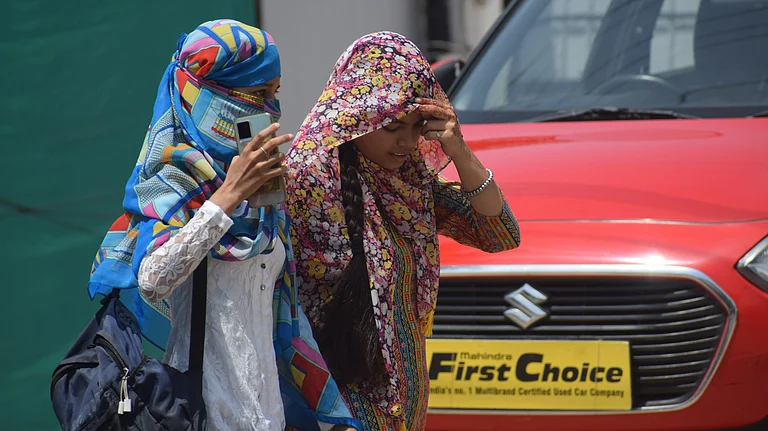
Heatwave worsened demand, forcing emergency pumping and diversion measures across Delhi.
How Falling Yamuna Levels in Delhi Are Affecting Your Water Supply
Falling Yamuna water levels disrupt Delhi supply amid intense heatwave conditions

A deserted view of Yamuna River Photo by Suresh K Pandey
Summary
Advertisement
Yamuna river in Delhi has recorded a sharp fall in water levels, disrupting operations at two of the national capital’s largest water treatment plants, reported Hindustan Times. This situation triggered supply cuts of up to 25% in parts of north, central and west Delhi, amid a searing heatwave spell.
Citing Delhi Jal Board, the government agency responsible for producing and distributing potable water across the capital, Hindustan Times reported that falling raw water levels in the Yamuna have directly disrupted operations at the Wazirabad and Chandrawal water treatment plants, two of the city’s largest and most critical facilities.
What’s Wazirabad Barrage
The Wazirabad barrage is the first interception point for the Yamuna river in Delhi and supplies one of the city’s largest water treatment plants. The pondage must be kept at a water elevation of 674.5 feet above sea level for both treatment plants to operate at full capacity. According to reports, the water levels went below the necessary threshold.
Advertisement
Wazirabad water treatment plant supplies approximately 134mn gallons per day to parts of north and central Delhi. Chandrawal produces around 98mn gallons per day, serving north, north-west and central Delhi.
Authorities at the Delhi Jal Board are already exploring emergency measures including deployment of specialised pumps along with boats to suck water from the pondage area and prevent a more severe disruption to supply.
In the short term, city authorities are trying to draw raw water from the Carrier Lined Canal at Munak, towards the Wazirabad plant, to compensate for the shortfall in the river channel.
This comes amid the national capital recording its hottest May night in nearly 14 years.

Yellow Alert Issued in Delhi
The India Meteorological Department (IMD) has issued a yellow alert for Delhi as the city is experiencing severe heatwave conditions, with temperatures likely to hover around 44 degrees Celsius.
Advertisement
“Rise in maximum temperatures by 1-2 degrees Celsius during the next 24 hours, with no large change till May 27 2026 and a fall by 6-8 degrees thereafter. Rise in minimum temperatures by 2-3 degrees Celsius during the next 24 hours, with no large change till May 29 2026, and a fall by 4-5 degrees Celsius thereafter,” IMD stated in its daily weather report and forecast bulletin.