Delhi-NCR transport unions launched three-day strike opposing increased environment compensation cess charges.
Drivers cited rising fuel, maintenance and insurance costs without corresponding fare revisions.
Authorities defended ECC hike citing worsening vehicular emissions and Delhi-NCR pollution concerns.
Delhi-NCR Transport Strike: What’s Behind The Drivers’ Protest?
Delhi-NCR transport strike spotlights fuel costs, pollution levies and driver livelihood concerns

Autorickshaws parked at Ramlila Maidan as taxi and auto unions begin a three-day strike demanding a fare hike amid rising fuel prices in New Delhi Photo by PTI
Summary
Advertisement
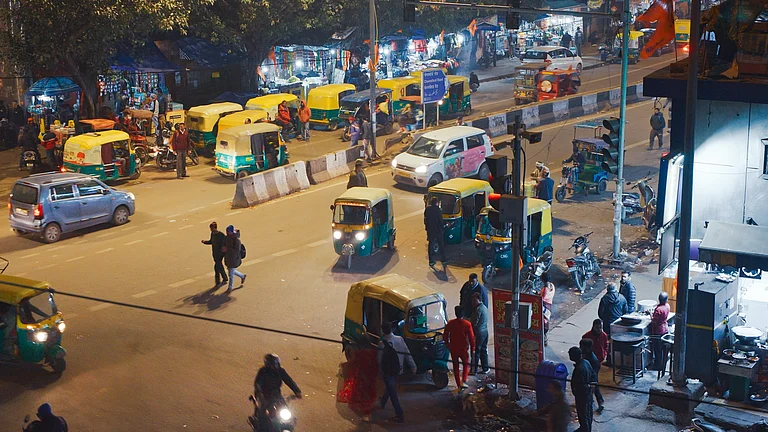
The Delhi-NCR strike has commenced in the region and will continue for three days. This is expected to affect the movement of taxis, auto-rickshaws and commercial goods vehicles.
Led by the ‘Chaalak Shakti Union’, along with other organisations of Delhi, a strike has been initiated with an appeal not to operate commercial vehicles on May 21, 22 and 23. The three-day strike is primarily against the Delhi government's decision to hike the environment compensation cess on commercial vehicles.
Why Drivers Are Protesting
The strike call was given by the All India Motor Transport Congress (AIMTC), the apex body of truckers, private buses, taxi and maxi cab operators, on Tuesday.
According to a statement issued by the union, the strike opposes the "unjust and unfair policies imposed by the Commission for Air Quality Management (CAQM), courts and the Delhi government on the transport sector".
Advertisement
Commercial vehicle drivers' unions in Delhi have also extended support to the strike, demanding a hike in taxi and auto fares in view of the increasing fuel prices.
Anuj Kumar Rathore, vice-president of the Chaalak Shakti Union, said that due to the continuously increasing prices of CNG, petrol and diesel, middle-class drivers are struggling to support their families.
"Therefore, in coordination with other organisations of Delhi, the 'Chaalak Shakti Union' has called for a 'chakka jam' and appealed not to operate vehicles on May 21, 22 and 23," he said.
However, six auto rickshaw unions have distanced themselves from the strike.
Drivers told CNBCTV18 that taxi and auto fares in Delhi-NCR have not been revised for nearly 15 years despite repreated hikes in petrol, diesel and CNG prices. Higher insurance, permit, maintenance and fitness certificate costs have further added to the woes of drivers, especially amid rising inflation.
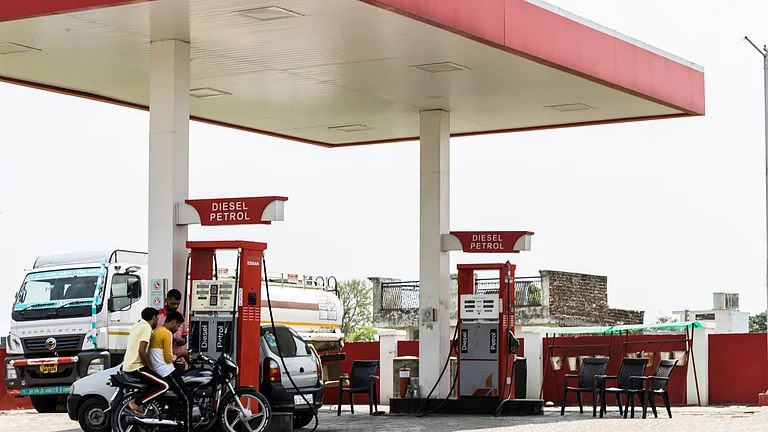
Petrol in Delhi currently costs ₹98.64 per litre, diesel stands at ₹91.58 and CNG costs ₹80.09 per kg after recent hikes. Fuel prices have increased by around ₹4 per litre in the past week, while CNG prices have surged by ₹3 per kg. The surge in price comes after the rise in global crude oil prices due to tensions in West Asia and disruptions around the Strait of Hormuz.
Advertisement

Inside The ECC Policy
The Environment Compensation Charge (ECC) is an antipollution fee levied on commercial vehicles entering the Delhi-NCR region. The ECC is charged in addition to the standard toll. The ECC has been approved with an aim to reduce vehicular emissions and discourage heavy trucks from using the city as a transit route.
According to LiveLaw, a bench led by Chief Justice Surya Kant and comprising Justices Joymala Bagchi and Vipul M Pancholi approved the recommendations submitted by the Commission for Air Quality Management (CAQM) to revise ECC rates with effect from April 1, 2026, observing that the recommendations were “reasonable, just and fair”.
“We have considered the proposal submitted by the CAQM and find the same to be reasonable, just and fair,” the court said.
On April 17, 2026, the Supreme Court approved a proposal to enhance the Environment Compensation Charge (ECC) on commercial vehicles entering Delhi-NCR to curb vehicular pollution and discourage non-destined trucks passing through the capital.
Advertisement
Areas Facing Maximum Disruption
Trucks were parked in industrial areas like Sanjay Gandhi Transport Nagar as part of the protest.
Commuters faced difficulties at some of the busiest places in the national capital, including the New Delhi Railway Station, Anand Vihar and Mandi House.
According to reports, app-based cab services such as Uber, Ola and Rapido are expected to be impacted. The ongoing strike may lead to fewer vehicles on roads, longer waiting times and surge pricing during peak hours if a large number of drivers participate in the protest. Meanwhile, Delhi Metro and DTC buses are operating as usual.
Around 1.7mn commercial vehicles operating in the Delhi-NCR are expected to be affected by the three-day strike, Business Standard reported citing Harish Sabharwal, president of All India Motor Transport Congress (AIMTC).
Advertisement
Vehicular Emissions In Focus
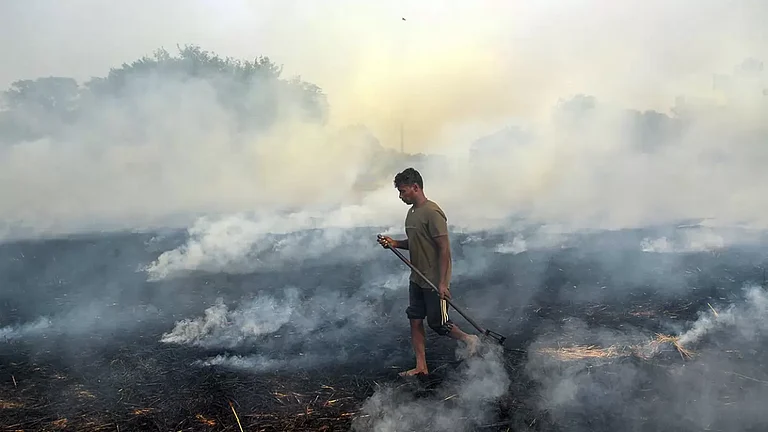
According to an August 18 report published The Energy and Resources Institute (TERI), vehicular emissions contribute significantly to Delhi-NCR’s pollution levels, particularly from heavy vehicles powered by diesel entering the capital region.
The 2018 TERI report stated that vehicular emissions contributed nearly 20% of PM2.5 pollution during summer, while the share rose to around 30% in winter when air quality deteriorates sharply in Delhi-NCR.
An October 2024 Centre for Science and Environment (CSE) analysis also noted that commercial vehicles account for a disproportionately high share of transport-sector emissions in Delhi despite forming a smaller share of total vehicles on roads.