India and US resume talks to finalise interim trade agreement.
New Delhi seeks relief from potential tariffs linked to probes.
Section 301 investigations could complicate broader bilateral trade negotiations.
India, US Near Interim Trade Deal as Section 301 Probe Looms
Negotiators seek to finalise an interim pact as Section 301 tariff concerns shadow broader India-US trade talks

India and US negotiators are set to resume talks aimed at finalising an interim trade agreement and advancing discussions on a broader bilateral trade pact
Summary
Advertisement
Chief negotiators from India and the US are likely to resume trade talks on June 2 to finalise the “commas and full stops” of a bilateral trade agreement (BTA), Commerce Minister Piyush Goyal had said, reported The Economic Times.
The American team led by chief negotiator Brendan Lynch will conduct three-day talks with India’s chief negotiator Darpan Jain, Additional Secretary in the Department of Commerce, to advance the trade deal the two nations agreed in February.
The two countries reached an agreement on a trade pact earlier this year before the US Supreme Court struck down US President Donald Trump’s sweeping reciprocal tariffs. Soon after the ruling, the office of the US Trade Representative launched investigations under Section 301 of the Trade Act into several countries including India over concerns of forced labour and excess production capacity. If found guilty, they would apply additional penalty tariffs.
India and the US are expected to finalise the details of the interim agreement and advance negotiations on the broader Bilateral Trade Agreement (BTA) covering market access, non-tariff measures, customs and trade facilitation, investment promotion and economic security alignment.
Advertisement
Earlier on Monday the US Embassy in New Delhi affirmed that the two sides are seeking a trade agreement “that will be enduring, beneficial and sustainable for both countries.”
India's Negotiating Stance
During this week's meetings to wrap up an interim trade agreement, India intends to request exemptions from any duties resulting from US trade probes, according to The Economic Times.
The Economic Times further noted that an agreement is achievable provided the resulting treaty is fair and balanced. Furthermore, New Delhi has rejected the Section 301 accusations, urging Washington to drop the inquiries and settle the dispute collaboratively through bilateral trade talks rather than unilateral actions.
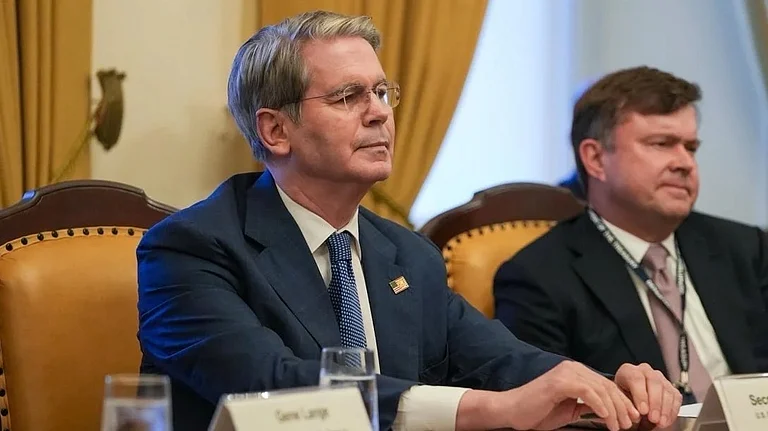
Why Section 301 Matters
The ongoing Section 301 investigations could be a major sticking point in India-US trade talks. Washington could impose additional tariffs on Indian exports if it finds that India’s policies give the country unfair trade advantages, such as through labour practices or industrial overcapacity.
Advertisement
Such moves would erase the benefits of any interim trade deal and could affect sectors from manufacturing to engineering goods. For India, better market access under the proposed pact is as important as getting relief from the possible Section 301-linked tariffs.