Crises are often remembered for the damage they cause. Their more important legacy, however, lies in the choices they force governments to make. Moments of disruption create opportunities to accelerate changes that might otherwise take years. The policies adopted during such periods often outlast the crisis itself.
India Must Not Let Hormuz Shock Derail the Clean Cooking Transition
The Strait of Hormuz disruption has exposed India's dependence on imported LPG, presenting policymakers with a choice: accelerate the transition to electric cooking or risk reversing years of progress by falling back on solid fuels

AI Generated
Advertisement
The Covid-19 pandemic did something no five-year plan had managed: it compressed a decade of digital adoption into a few months, accelerating the use of digital payments, remote work, and telemedicine as individuals and businesses rapidly adapted to new constraints.
The oil shocks of the 1970s drove countries to improve energy efficiency. Power shortages helped create momentum for more efficient appliances and large-scale LED adoption. In each case, a crisis became an opportunity to move towards technologies that were ultimately more productive, efficient and resilient.
The disruption in the Strait of Hormuz presents a similar moment for India's cooking energy transition. Yet unlike previous episodes, India risks moving in the wrong direction.
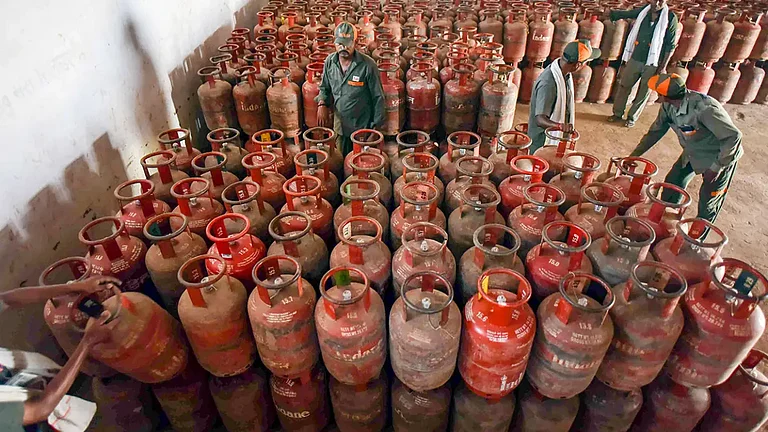
The crisis has exposed a vulnerability that has long existed within India's clean cooking strategy. Nearly 60 per cent of India's LPG consumption is met through imports, with a significant share of these supplies passing through the Strait of Hormuz.
Advertisement
Disruptions along this route affect not only energy markets and government budgets but also millions of households that depend on LPG for daily cooking needs.
Over the last decade, India has made substantial progress in expanding access to clean cooking fuels through the Pradhan Mantri Ujjwala Yojana.
More than 100 million households received LPG connections, bringing cleaner cooking within reach of many low-income families. Yet access did not always translate into exclusive use. For many households, refill affordability remained a challenge, leading to continued reliance on traditional fuels alongside LPG.
The current disruption has forced households and policymakers to consider alternatives. What is striking is that they appear to be moving in different directions.
On one path, households are experimenting with electricity. Reports of growing demand for induction cooktops and electric cooking appliances suggest that consumers are actively exploring alternatives to LPG.
Faced with rising prices and uncertainty regarding future supplies, households are responding by adopting technologies that are less exposed to international fuel markets.
Advertisement
On the other path, some governments are turning back towards older fuels. Bihar's decision to distribute coal through the Public Distribution System to households affected by cooking gas shortages is perhaps the clearest example.
The rationale is understandable. However, such responses risk reinforcing dependence on fuels that India has spent years attempting to move away from.
This matters because cooking energy transitions are not simply about ensuring access to any cooking fuel. They are also about improving health outcomes and building more resilient energy systems.
A large body of evidence has shown that reliance on solid fuels exposes households to harmful indoor air pollution, with women and children bearing a disproportionate share of the burden. Reintroducing coal into household kitchens risks undermining gains achieved over the past decade.
To be sure, electric cooking is not a perfect substitute today. Appliance costs remain a barrier for many households, and reliable electricity supply during peak cooking hours cannot yet be taken for granted everywhere. However, these are implementation challenges, not reasons to abandon the transition altogether.
Advertisement
The policy response should therefore focus on accelerating adoption rather than encouraging a return to solid fuels.
Lower appliance costs, targeted financing mechanisms and reliable electricity supply can help households make the shift. Such measures would not only improve energy security but also support India's broader clean energy objectives.
The significance of the Hormuz disruption extends beyond temporary fuel shortages. Like previous crises, it presents a choice between using a shock to accelerate structural change or responding in ways that reinforce existing vulnerabilities.
Households appear to be signalling one direction through their growing interest in electric cooking. Policy responses should do the same.
The question is not simply how India manages the current disruption. It is whether the country uses this moment to build a more resilient cooking energy system or retreats towards fuels associated with many of the health and environmental costs that earlier policies sought to eliminate.
Advertisement
Crises often shape the trajectory of future transitions. The Hormuz shock should push India towards the next stage of clean cooking, not back towards the past.
About the Authors: The authors are Associate Fellows at Centre for Social and Economic Progress, New Delhi.
Disclaimer: The views and opinions expressed in this article are those of the authors and do not necessarily reflect the editorial position or views of Outlook Business.