"Energy lockdown" trends on social media despite no official government restrictions announced
India faces high vulnerability, importing 88% of crude oil via the Strait of Hormuz
The International Energy Agency recommends remote work and speed limits to reduce demand
Energy Lockdown Explained: Why the Phrase is Trending and What it Means for India
PM Modi’s COVID-19 parallel in Parliament fueled “Energy Lockdown” trend, Learn about India’s fuel security and the IEA’s 10-point demand reduction plan

Energy Lockdown Explained
Summary
Advertisement
Prime Minister Narendra Modi, in his recent Rajya Sabha address urged the nation to remain prepared and united amid disruptions caused due to the ongoing West Asia conflict.
Drawing a parallel with the COVID-19 pandemic, he noted that the difficult global conditions arising from the conflict are likely to persist for an extended period.
He called on citizens to maintain the same spirit of unity and preparedness that the country demonstrated during the pandemic.
Soon after his remarks, the term “energy lockdown” began trending online, with speculation emerging around possible restrictions on energy usage due to supply disruptions.
What is Energy Lockdown?
The term ‘energy lockdown’ is not an official policy term. It is a social media shorthand used to describe a situation in which countries may tighten fuel consumption, limit travel and encourage conservation when energy supplies come under strain.
The phrase gained traction as searches for “lockdown in India” spiked around March 24, coinciding with the anniversary of India’s 2020 lockdown, while concerns around war and fuel supply amplified online discussions.
Advertisement
Notably, there has been no announcement from either the Centre or state governments regarding any lockdown-like restrictions.
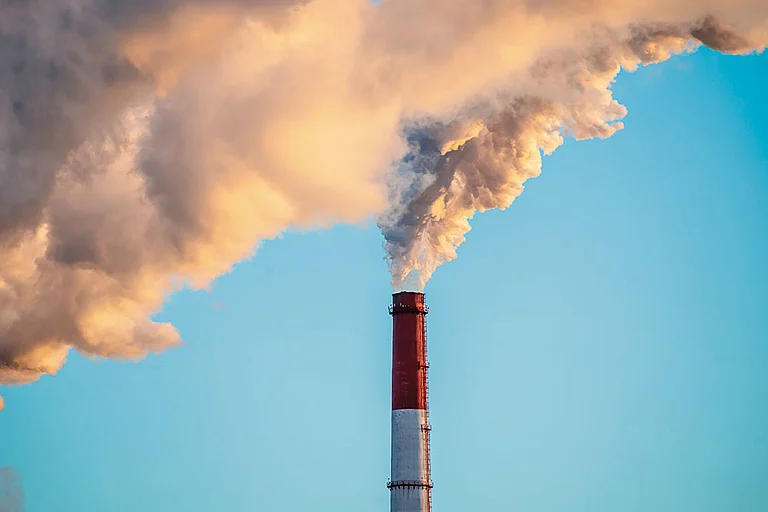
Energy Lockdown Trigger
The trigger in this trend is the West Asia conflict and the risks it poses to oil and gas shipments through the Strait of Hormuz, one of the world’s most critical energy transit routes.
According to the US Energy Information Administration, around 20 million barrels of oil per day passed through the strait in 2024, accounting for roughly 20% of global petroleum liquids consumption.
Additionally, about one-fifth of global LNG trade also moves through this route. Any instability here can disrupt markets, drive up prices, and trigger precautionary behavioural changes even without formal restrictions.
IEA Playbook on Demand Control
The International Energy Agency has outlined a playbook focused on reducing demand rather than imposing shutdowns.
Suggested measures include promoting remote work, lowering highway speed limits by at least 10 km/h, encouraging public transport, implementing odd-even vehicle usage in large cities, improving freight efficiency, limiting non-essential air travel, and shifting certain cooking and industrial activities away from scarce fuels.
Advertisement
These steps are aimed at easing pressure on supply systems and mitigating price shocks.
India’s Vulnerability & Measures
India’s vulnerability in such a scenario stems from its heavy dependence on energy imports. Government data indicates that the country meets around 88% of its crude oil needs and 51% of its natural gas requirements through imports.
Additionally, India has historically sourced about 60% of its LPG needs from Gulf nations. This reliance makes the country particularly sensitive to disruptions in the Gulf supply chain, especially through the Strait of Hormuz, raising concerns around fuel availability, transportation costs, and inflation.
Despite these risks, the government’s current response is focused on managing supply rather than imposing restrictions. The Ministry of Petroleum and Natural Gas has stated that domestic LPG deliveries remain stable, with no reported shortages at distributorships, and that adequate stocks of petrol and diesel are available nationwide.
Authorities have prioritised commercial LPG supply for essential sectors, accelerated the rollout of piped natural gas (PNG) connections and directed states to monitor hoarding and black-marketing. These steps reflect a strategy centred on stabilisation and continuity, rather than a COVID-style shutdown.
Advertisement
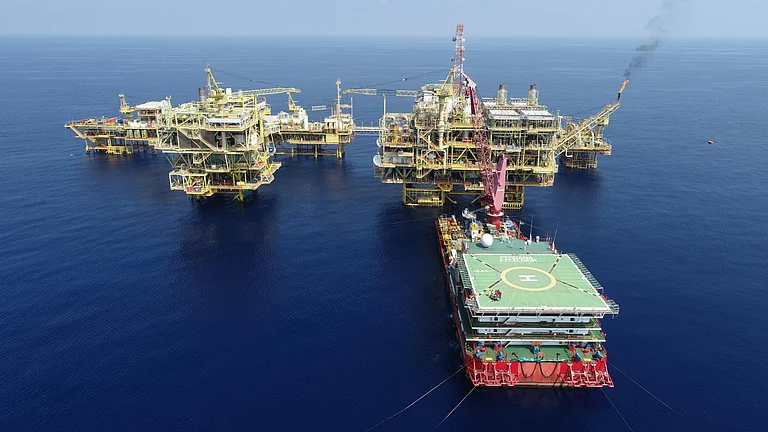
Impact on Businesses
For businesses, the real issue is not whether a formal “energy lockdown” will be declared. It is whether higher fuel and gas costs, delayed shipments and precautionary rationing begin to hit operating costs.
Logistics-heavy sectors, airlines, restaurants, hotels, food processing units, city transport operators and small manufacturers are the most exposed because they consume fuel directly or absorb it through freight and utility bills.
That is why companies are watching procurement schedules, inventory cover, backup fuels and energy efficiency more closely than usual. The right business lens is resilience: diversify fuel sources, reduce waste, and treat supply-chain volatility as a planning risk rather than a one-day headline.